

Article
Леонид Гозман, Michael McFaul

REQUIRED IMAGE
Source: Carnegie
Summary
A new narrative about post-Soviet Russia is taking hold in policy, media, and academic circles and shows signs of entrenching as a new conventional wisdom. By this reading, Russia's experiment with democracy has flat-out failed. So misconceived and mismanaged were the political and economic reforms of the 1990s that they have fueled mass disenchantment with democratic norms and brought authoritarianism back into repute. Russians, in short, are said to be giving up on democracy.
In this working paper, Timothy J. Colton and Michael McFaul agree that Russian democratic institutions are performing miserably and that leaders, especially since Putin's ascent to power, have done much to compromise and erode democratic practices. Colton and McFaul's findings suggest, however, that the many and obvious limitations of Russia's political system are not caused by, or consistently reinforced by, popular attitudes toward democracy.
Click on link above for full text of this Carnegie Paper.
Former Senior Associate
In addition to his role at Carnegie, McFaul is Peter and Helen Bing Senior Fellow at the Hoover Institution and associate professor of political science at Stanford University.
Recent Work
Леонид Гозман, Michael McFaul
Michael McFaul, Sanja Tatic
Carnegie India does not take institutional positions on public policy issues; the views represented herein are those of the author(s) and do not necessarily reflect the views of Carnegie, its staff, or its trustees.

This piece argues that India’s central challenge is not managing a single flashpoint but resolving the underlying tension between expansion and institutional coherency of the BRICS grouping.

Vrinda Sahai
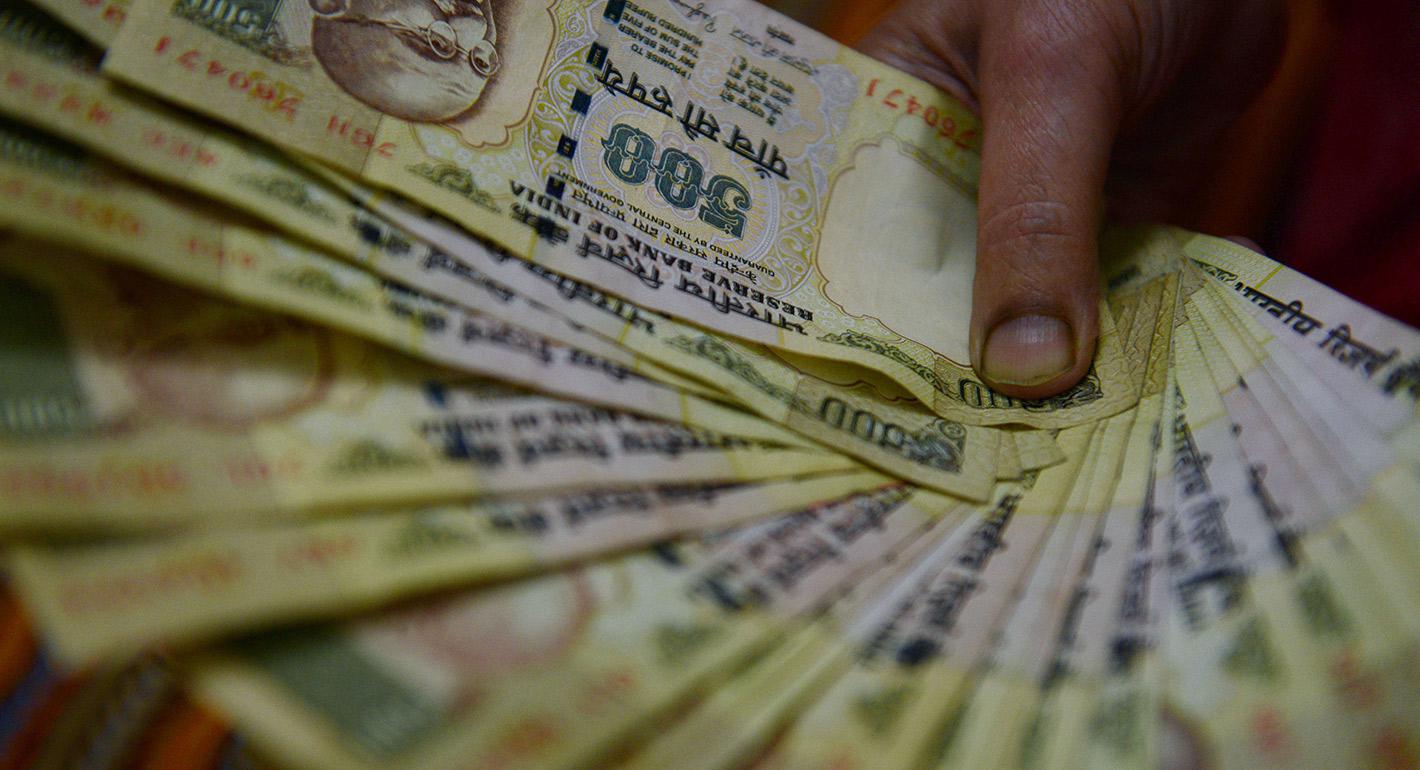
As India’s economy recovers from the coronavirus pandemic, Indian businesses need efficient financial structures to regain their ground. Key reforms to India’s Insolvency and Bankruptcy Code could fill these gaps.

Anirudh Burman

Access to cross-border data is an integral piece of the law enforcement puzzle. India is well placed to lead the discussions on international data agreements subject to undertaking necessary surveillance reforms.

Smriti Parsheera, Prateek Jha
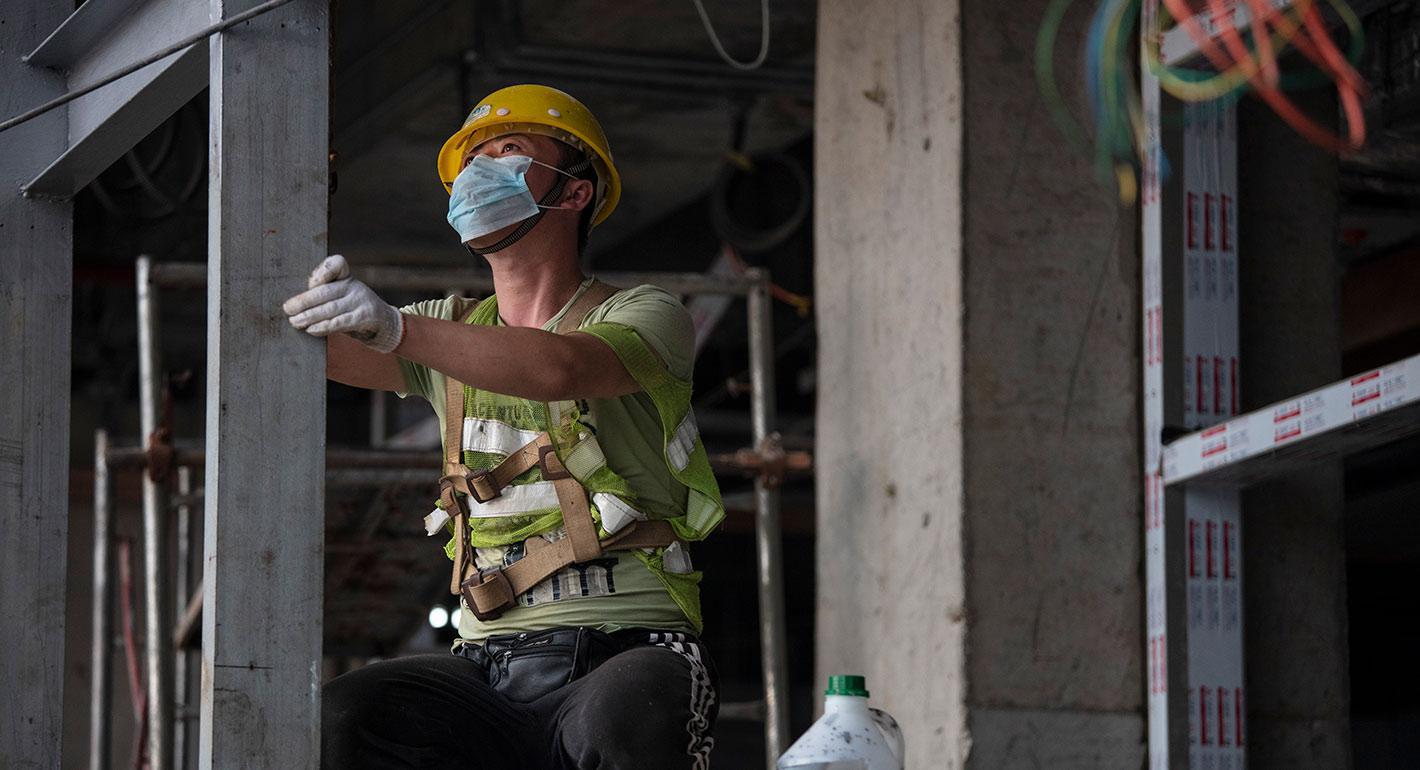
After the coronavirus pandemic wanes, how will China’s reorientation of the Belt and Road Initiative to address global health concerns influence its relationships with South Asian countries?

Deep Pal, Rahul Bhatia
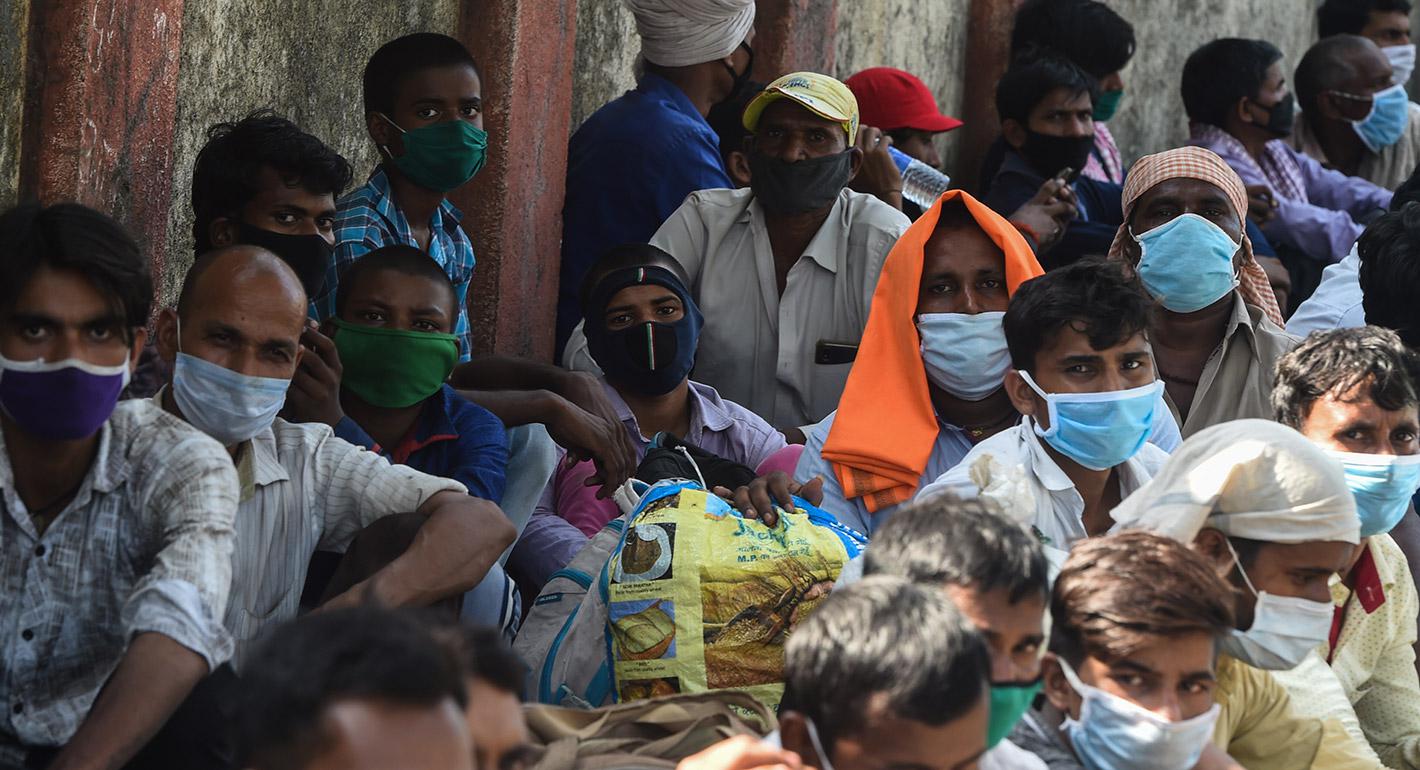
Early in the outbreak, government researchers forecast several high-risk scenarios that were downplayed or ignored in public messaging.
Gautam I. Menon