

Commentary
New Delhi and Seoul should focus on building flexible middle power coalitions in Asia to limit the impact of the current volatility in the relations between the United States and China.
C. Raja Mohan

REQUIRED IMAGE
In a major, potentially disastrous development, the Bush Administration - according to news reports - intends to stop certifying to Congress that North Korea is in compliance with the agreement reached in 1994, known formally as the Agreed Framework. While the administration intends to continue its implementation of the pact, this failure to certify North Korea's compliance will only increase outside criticism of the Agreed Framework and call its successful and full implementation into doubt.
In 1994, the United States managed, at the near risk of war, to freeze North Korea's nuclear weapons program in its tracks and stop its production of weapons-grade plutonium. This freeze was achieved by agreeing to build for North Korea two modern, proliferation-resistant nuclear power reactors. Before the reactors are completed, North Korea must make a full and verified accounting of its past nuclear activities to the satisfaction of the International Atomic Energy Agency.
In a major, potentially disastrous development, the Bush Administration - according to news reports - intends to stop certifying to Congress that North Korea is in compliance with the agreement reached in 1994, known formally as the Agreed Framework. While the administration intends to continue its implementation of the pact, this failure to certify North Korea's compliance will only increase outside criticism of the Agreed Framework and call its successful and full implementation into doubt.
Critics of the deal have long complained that providing North Korea with modern reactors in exchange for an end to their weapons production program was too risky and only rewarded Pyongyang's blackmail-like threat to withdraw from the Nuclear Nonproliferation Treaty. In addition, allegations that North Korea continues to operate secret, underground nuclear production sites - allegations discredited through on-site inspections by U.S. personnel - have continued to circulate. Moreover, in recent years, opponents of the engagement policy toward North Korea have complained that the country is not moving fast enough to satisfy the IAEA and come clean about its past plutonium production activities.
If North Korea is not complying with the provisions of the Agreed Framework, then the Bush administration has a responsibility to the American people and to U.S. allies to make evidence of North Korea's violations public and work through the U.N. Security Council to take appropriate action. But if no evidence of non-compliance or violations exists, it is dangerous and ill advised for the administration to risk the collapse of an arrangement that has prevented North Korea from producing over 140 nuclear weapons worth of plutonium. Provoking a crisis in East Asia, while the war in Afghanistan is on going and a potential war in Iraq is looming, unless U.S. security is directly threatened, would be a mistake and miscalculation of massive proportions. To do so to settle old scores against the previous administration's non-proliferation approach would be petty and negligent.
Carnegie India does not take institutional positions on public policy issues; the views represented herein are those of the author(s) and do not necessarily reflect the views of Carnegie, its staff, or its trustees.
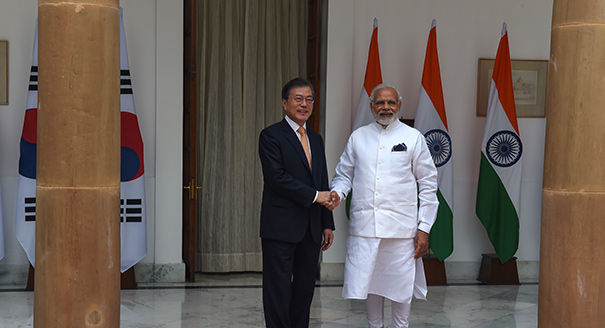
New Delhi and Seoul should focus on building flexible middle power coalitions in Asia to limit the impact of the current volatility in the relations between the United States and China.
C. Raja Mohan
This book examines how the region’s major political powers view international politics and the use of military force.
Ashley J. Tellis, Alison Szalwinski, Michael Wills
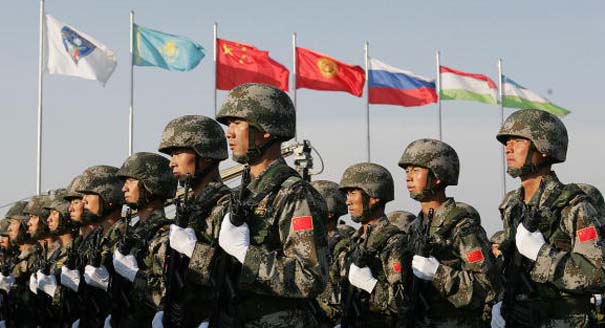
Material factors can explain why certain outcomes occurred the way they did, and strategic culture can explain how countries thought about their circumstances, their choices, and their decisions.
Ashley J. Tellis
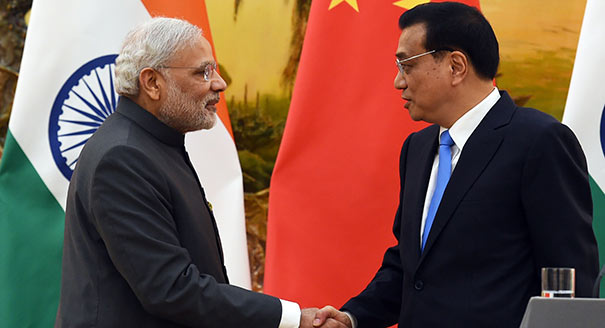
Although geography limits New Delhi’s role in East Asia, Modi is betting India can win friends and partners through active engagement.
C. Raja Mohan
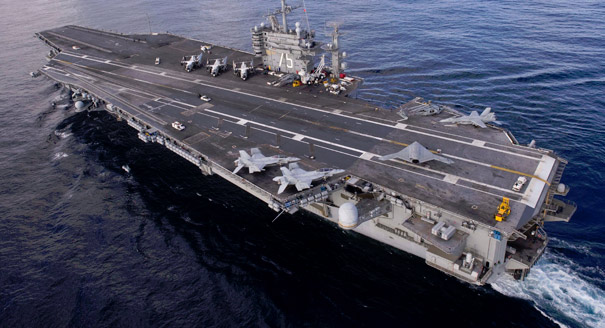
As India celebrates the launch of the Vikrant, the much delayed first indigenous aircraft carrier, Delhi is not the only one in Asia focused on the virtues of airpower at sea.
C. Raja Mohan