• Research
  • About
  • Experts
Carnegie India logoCarnegie lettermark logo
REQUIRED IMAGE

REQUIRED IMAGE

Paper

Mythmaking in the Rule of Law Orthodoxy

As governments and donor agencies struggle over questions of aid and international development, a growing consensus is emerging that there is an explicit link between rule of law reform and sustainable growth.

Link Copied
By Frank Upham
Published on Sep 10, 2002

Additional Links

Full Text (PDF)

As governments and donor agencies struggle over questions of aid and international development, a growing consensus is emerging that there is an explicit link between rule of law reform and sustainable growth. However, this new rule of law orthodoxy ignores evidence that the formalist rule of law advocated by the World Bank and other donors does not necessarily exist in the developed world. Moreover, attempting to transplant a common template of institutions and legal rules into developing countries without attention to indigenous contexts harms preexisting mechanisms for dealing with issues such as property ownership and conflict resolution.

About the Author
Frank Upham
is professor of law at New York University School of Law and a specialist in comparative law. He is the author of Law and Social Change in Postwar Japan.

A limited number of print copies are available.
Request a copy.

About the Author

Frank Upham

Frank Upham
Political ReformDemocracyEconomyTrade

Carnegie India does not take institutional positions on public policy issues; the views represented herein are those of the author(s) and do not necessarily reflect the views of Carnegie, its staff, or its trustees.

More Work from Carnegie India

  • Commentary
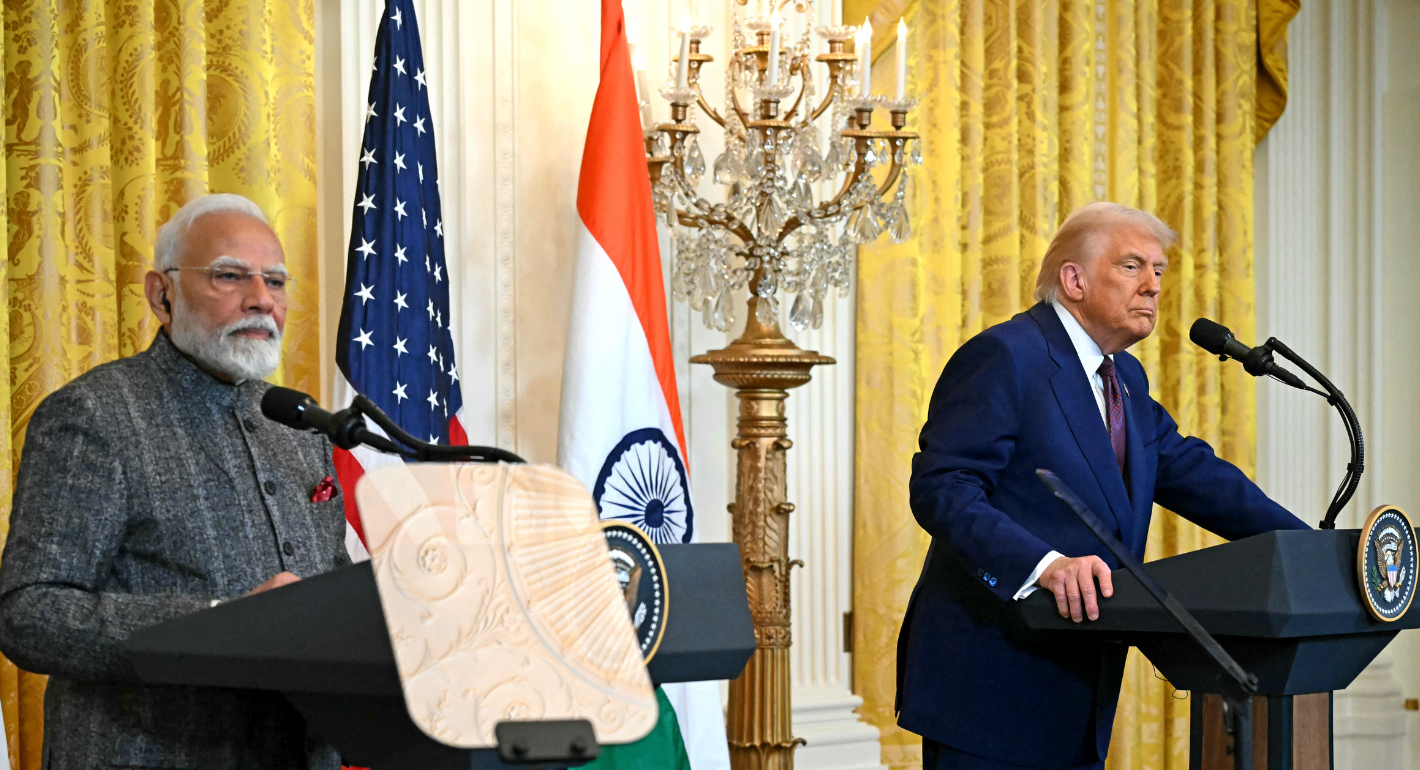
    The Impact of U.S. Sanctions and Tariffs on India’s Russian Oil Imports

    This piece examines India’s response to U.S. sanctions and tariffs, specifically assessing the immediate market consequences, such as alterations in import costs, and the broader strategic implications for India’s energy security and foreign policy orientation.

      Vrinda Sahai

  • Paper
    India-China Economic Ties: Determinants and Possibilities

    This paper examines the evolution of India-China economic ties from 2005 to 2025. It explores the impact of global events, bilateral political ties, and domestic policies on distinct spheres of the economic relationship.

      Santosh Pai

  • Commentary
    TRUST and Tariffs

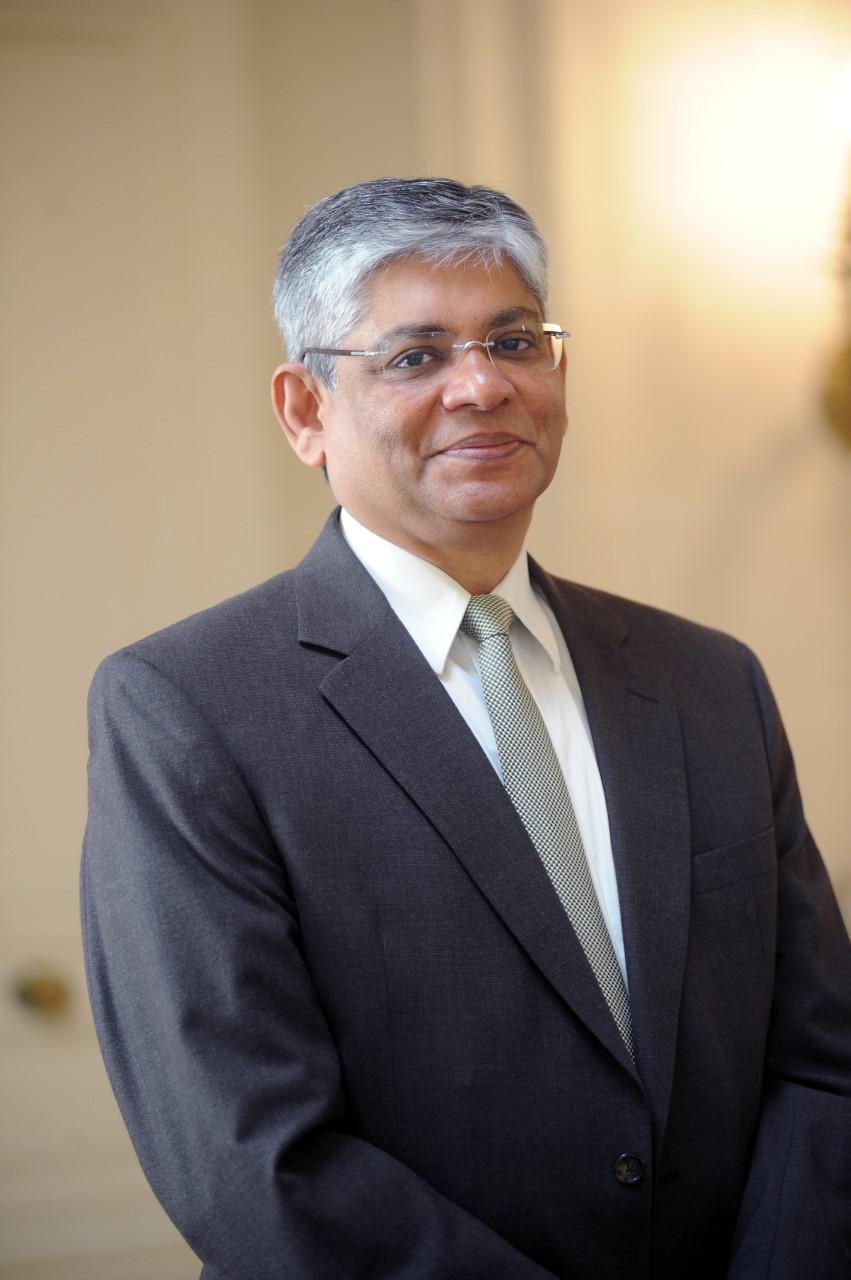
    The India-U.S. relationship currently appears buffeted between three “Ts”—TRUST, Tariffs, and Trump.

      Arun K. Singh

  • Article
    Can Geopolitical Alignment Seal the India-EU FTA?

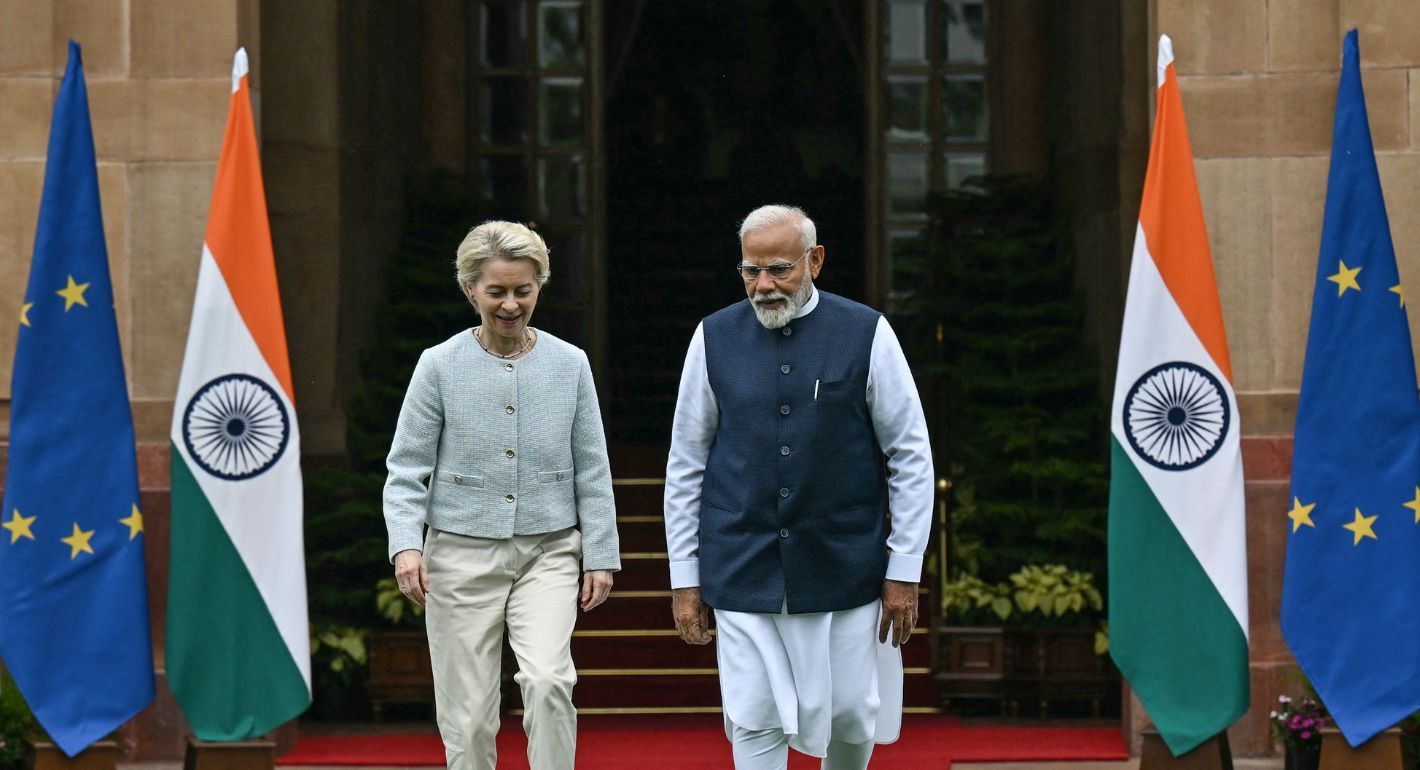
    This article argues that the geopolitical circumstances have never been more conducive, not merely for the early conclusion of the free trade agreement (FTA) between India and the EU, but also for crafting a substantive and comprehensive strategic partnership.

      Mohan Kumar

  • Article
    A Path Out of Tunisia’s Economic Crisis

    President Kais Saied has won a second term in office, but his country is facing a host of problems that necessitate urgent reforms, above all preventing the possibility of a financial meltdown. 

      Ishac Diwan, Hachemi Alaya, Hamza Meddeb

Get more news and analysis from
Carnegie India
Carnegie India logo, white
Unit C-4, 5, 6, EdenparkShaheed Jeet Singh MargNew Delhi – 110016, IndiaPhone: 011-40078687
  • Research
  • About
  • Experts
  • Projects
  • Events
  • Contact
  • Careers
  • Privacy
  • For Media
Get more news and analysis from
Carnegie India
© 2026 Carnegie Endowment for International Peace. All rights reserved.