

Other
Anders Aslund

REQUIRED IMAGE
Source: Carnegie
Summary
Recent experience in Eastern Europe, East Asia, and South America supports the idea that institutions—such as an effective judiciary, protection of property rights, and more specific laws—are key to both long-term economic development and recovery from crises. Developing good institutions is generally viewed as a desirable goal, but there is no agreed road map for such changes.
Åslund and Johnson suggest, at least for former communist countries, the right way to begin strengthening institutions is by lowering the barriers to entry for new small businesses and the costs of running these firms by switching to a simple low lump-sum tax. This policy has economic advantages, but its most important effect is to change the political equilibrium, creating a powerful force for further institutional improvement.
Click on link above for the full text of this Carnegie Paper.
About the Authors
Anders Åslund is director of Carnegie's Russian and Eurasian Program. He is the author of The Enlargement of the European Union: Consequences for the CIS Countries (Carnegie Working Paper No. 36), and Building Capitalism: The Transformation of the Former Soviet Bloc.
Simon Johnson is associate professor of economics at the Sloan School of Business at the Massachusetts Institute of Technology.
Some print copies are available.
Request a copy

Former Senior Associate, Director, Russian and Eurasian Program
Recent Work
Anders Aslund
Anders Aslund
Carnegie India does not take institutional positions on public policy issues; the views represented herein are those of the author(s) and do not necessarily reflect the views of Carnegie, its staff, or its trustees.

On March 10, 2026, India’s Union Cabinet approved amendments to Press Note 3, a regulation that mandated government approval on all foreign direct investment (FDI) from countries sharing a land border with India. This amendment raises questions primarily about whether its stated benefits will materialize and if the risks have been adequately weighed. This piece will address the same.

Konark Bhandari

This piece examines India’s response to U.S. sanctions and tariffs, specifically assessing the immediate market consequences, such as alterations in import costs, and the broader strategic implications for India’s energy security and foreign policy orientation.

Vrinda Sahai

This paper examines the evolution of India-China economic ties from 2005 to 2025. It explores the impact of global events, bilateral political ties, and domestic policies on distinct spheres of the economic relationship.

Santosh Pai
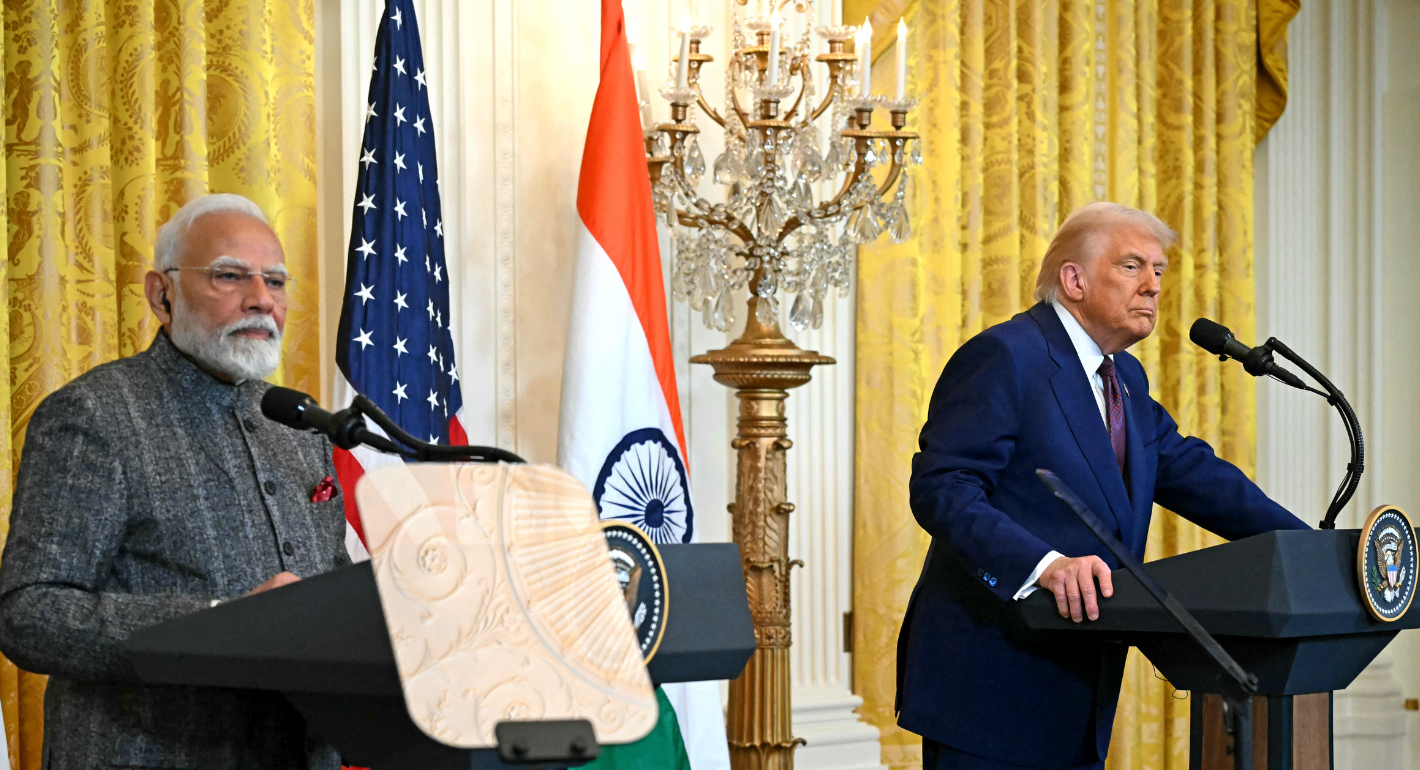
The India-U.S. relationship currently appears buffeted between three “Ts”—TRUST, Tariffs, and Trump.
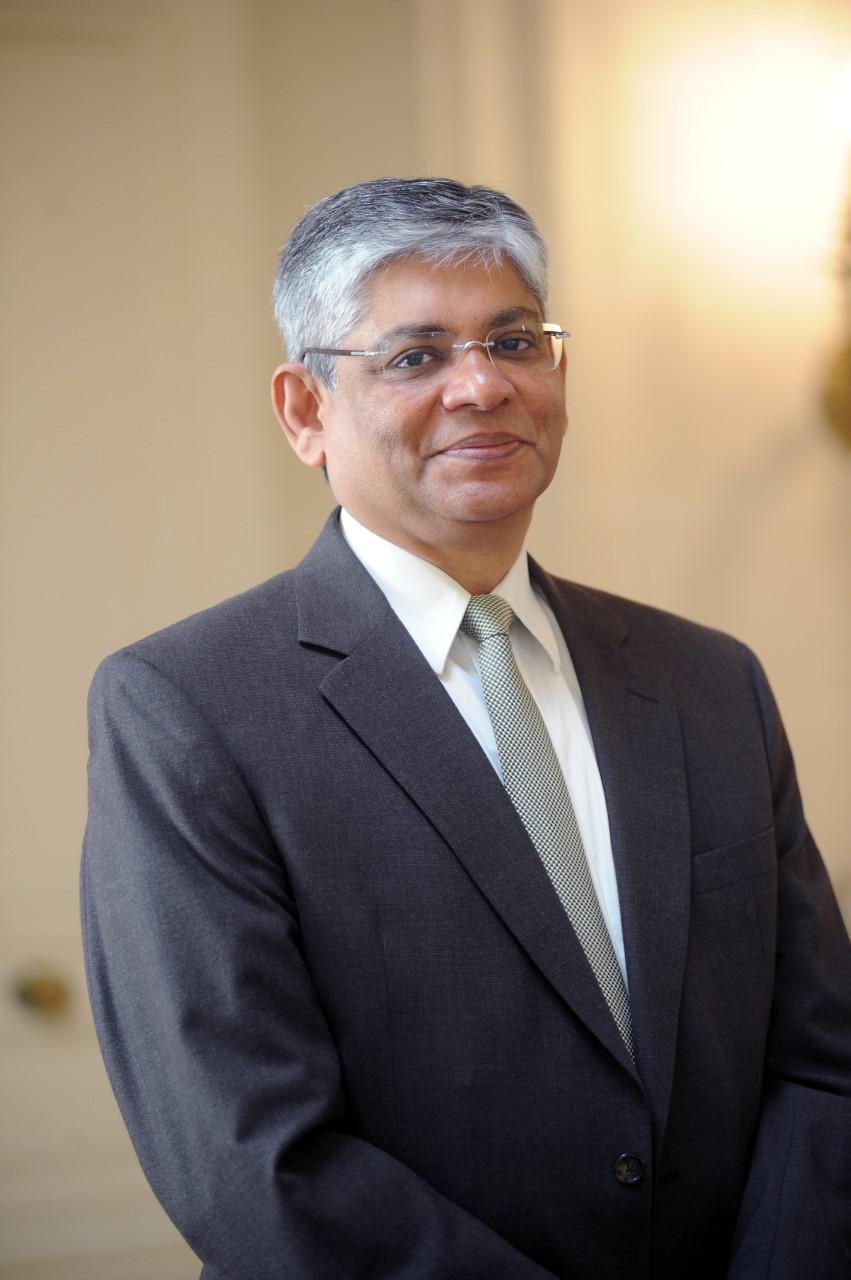
Arun K. Singh
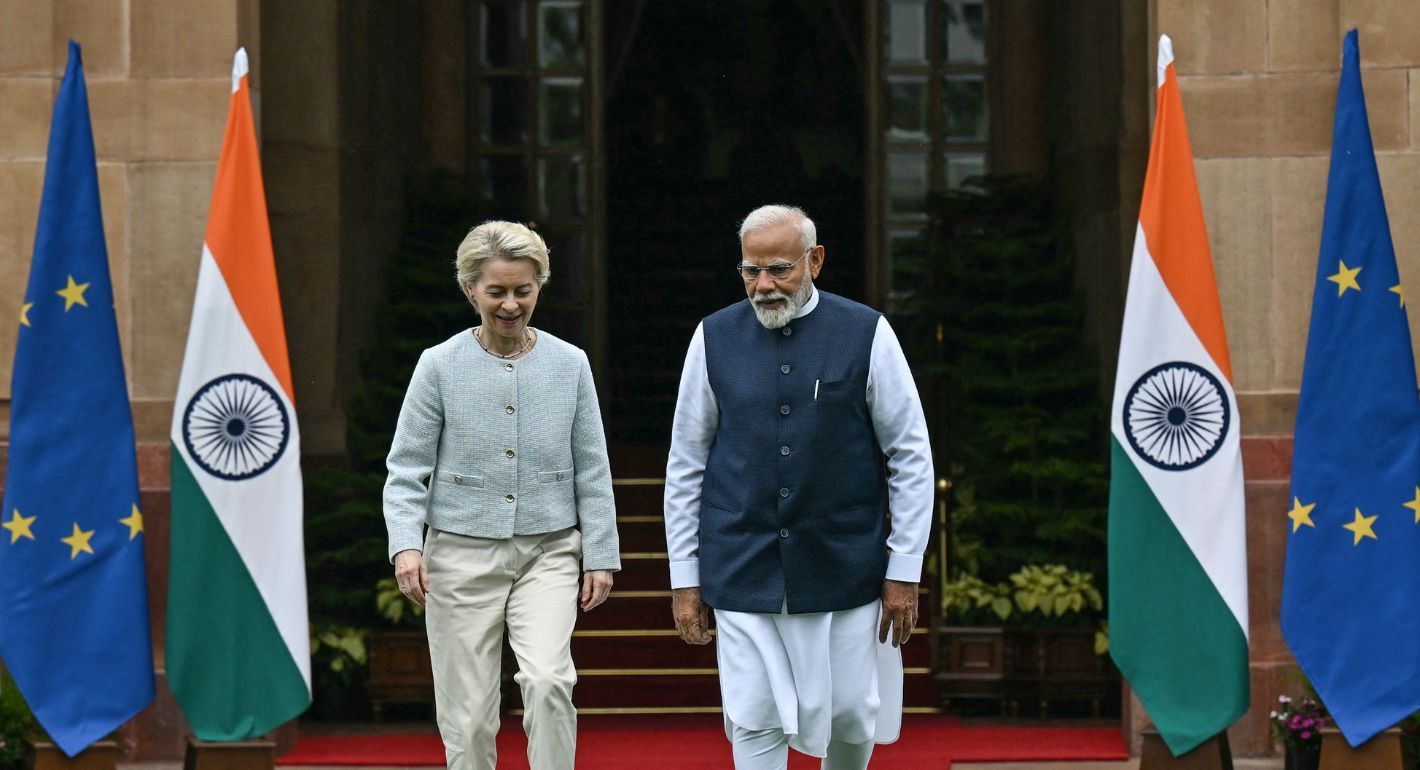
This article argues that the geopolitical circumstances have never been more conducive, not merely for the early conclusion of the free trade agreement (FTA) between India and the EU, but also for crafting a substantive and comprehensive strategic partnership.
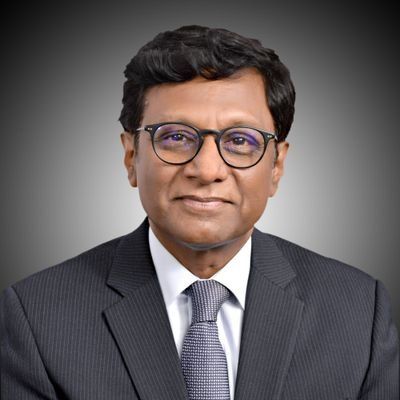
Mohan Kumar