• Research
  • About
  • Experts
Carnegie India logoCarnegie lettermark logo
REQUIRED IMAGE

REQUIRED IMAGE

Paper

The Political-Economic Conundrum: The Affinity of Economic and Political Reform in the Middle East and North Africa

Link Copied
By Eva Bellin
Published on Nov 9, 2004

Additional Links

Full Text (PDF)

Source: Carnegie Endowment

Summary
For nearly two decades the Middle East and North Africa (MENA) has languished in economic stagnation and lassitude. At a time when the logic of market-driven reform and exportoriented growth has become nearly canonical worldwide, the MENA region has proven steadfastly unenthusiastic about reform, shutting itself out of the benefits of economic globalization and falling behind most other regions in economic development.

At the same time, the MENA region has distinguished itself by spurning another worldwide trend: democratization. As democracy has spread in Latin America, Central and Eastern Europe, Asia, and sub-Saharan Africa, the Middle East has remained largely authoritarian, experiencing at most only mild liberalizing political reforms. This dual resistance to world trends is intriguing and resurrects the question of the relationship between political and economic reform. Is this dual resistance to reform coincidental? And what does this resistance say about whether and how Western policy makers and aid practitioners should try to link or sequence their efforts to promote political and economic reform in the region?

Click on link above for the full text of this Carnegie Paper.

About the Author
Eva Bellin is associate professor in the Department of Political Science at Hunter College/City University of New York. An expert on the political economy of the Arab world, she is the author of Stalled Democracy: Capital, Labor, and the Paradox of State-Sponsored Development (Ithaca: Cornell University Press, 2002). She was previously associate professor in the Department of Government at Harvard University.

A limited number of print copies are available.
Request a copy  

About the Author

Eva Bellin

Eva Bellin
Middle EastEconomy

Carnegie India does not take institutional positions on public policy issues; the views represented herein are those of the author(s) and do not necessarily reflect the views of Carnegie, its staff, or its trustees.

More Work from Carnegie India

  • Commentary
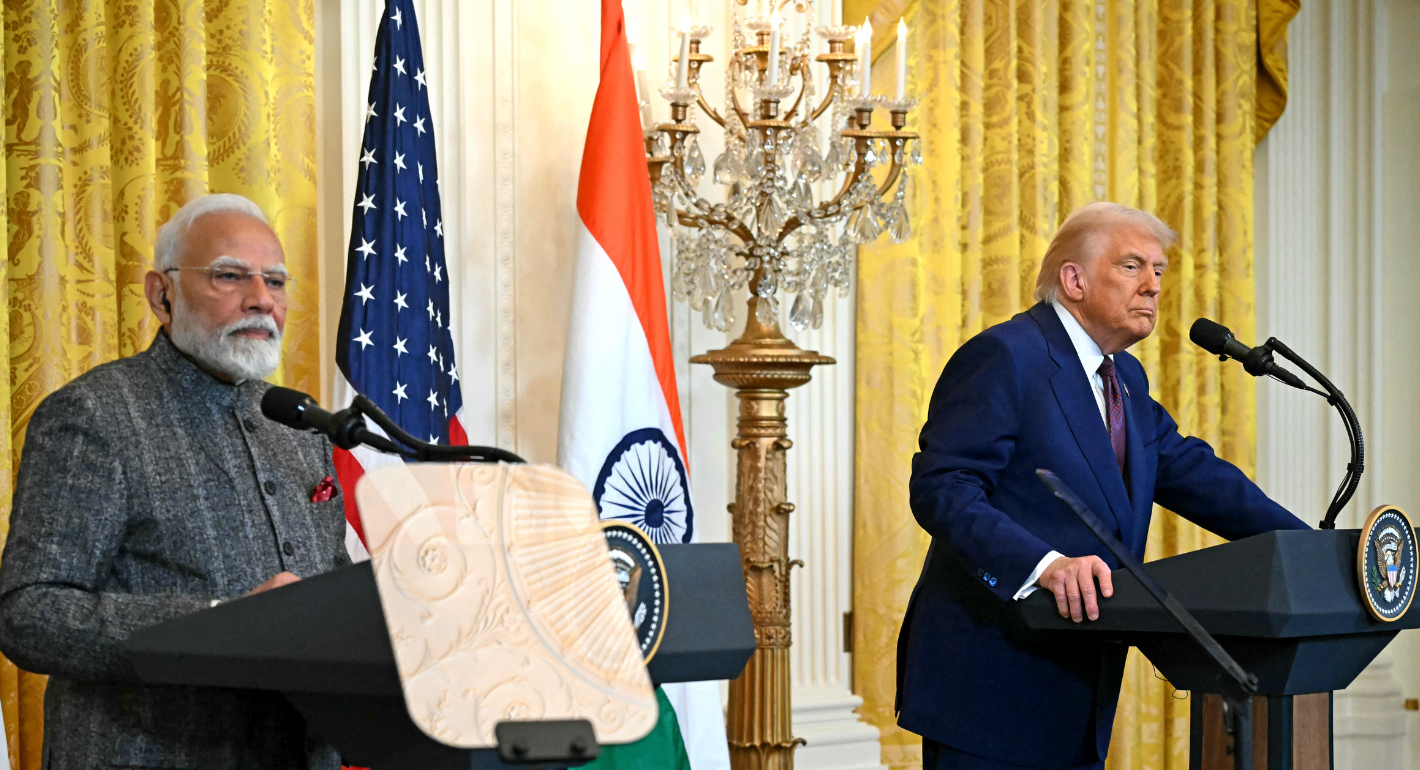
    The Impact of U.S. Sanctions and Tariffs on India’s Russian Oil Imports

    This piece examines India’s response to U.S. sanctions and tariffs, specifically assessing the immediate market consequences, such as alterations in import costs, and the broader strategic implications for India’s energy security and foreign policy orientation.

      Vrinda Sahai

  • Paper
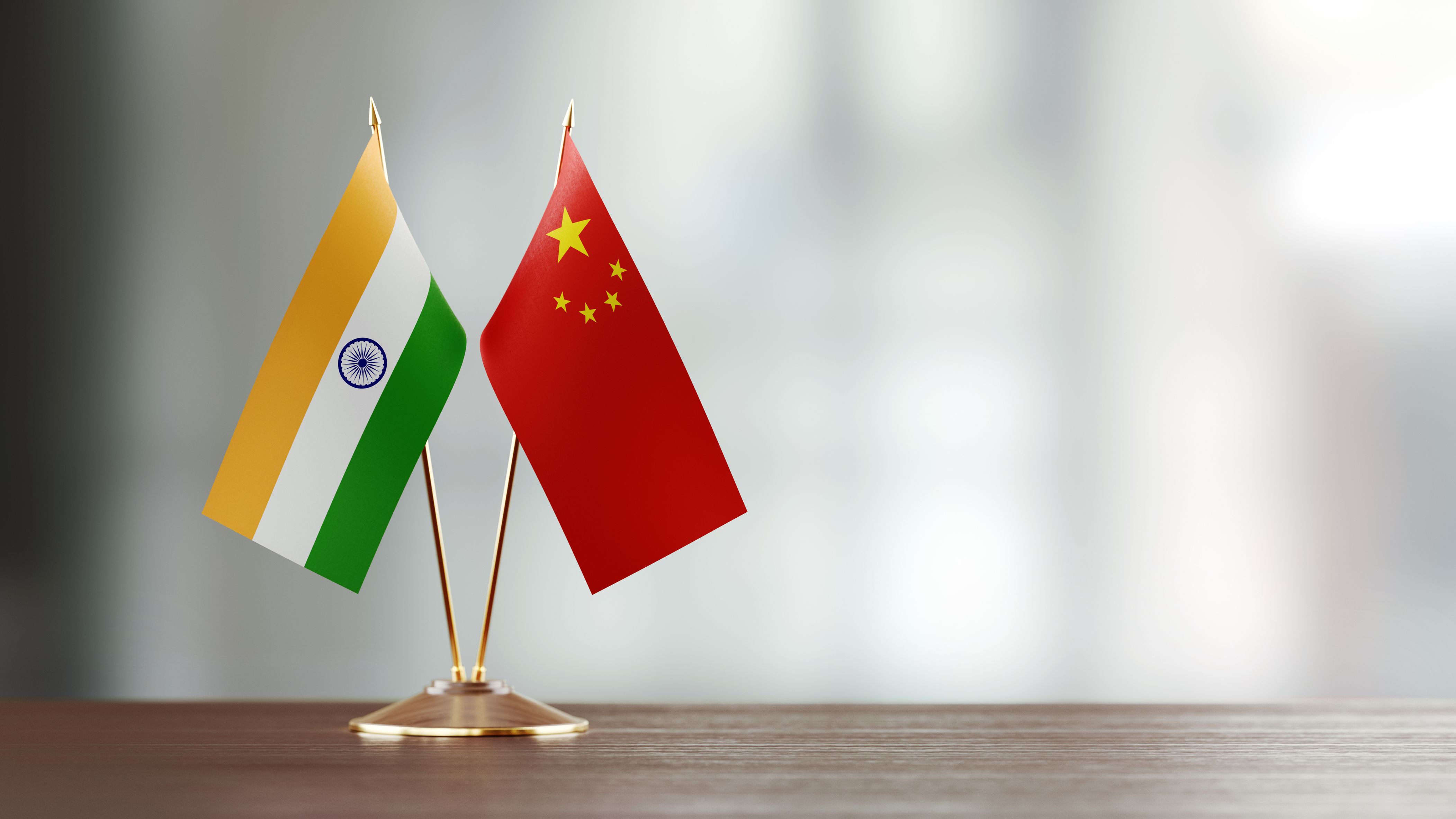
    India-China Economic Ties: Determinants and Possibilities

    This paper examines the evolution of India-China economic ties from 2005 to 2025. It explores the impact of global events, bilateral political ties, and domestic policies on distinct spheres of the economic relationship.

      Santosh Pai

  • Commentary
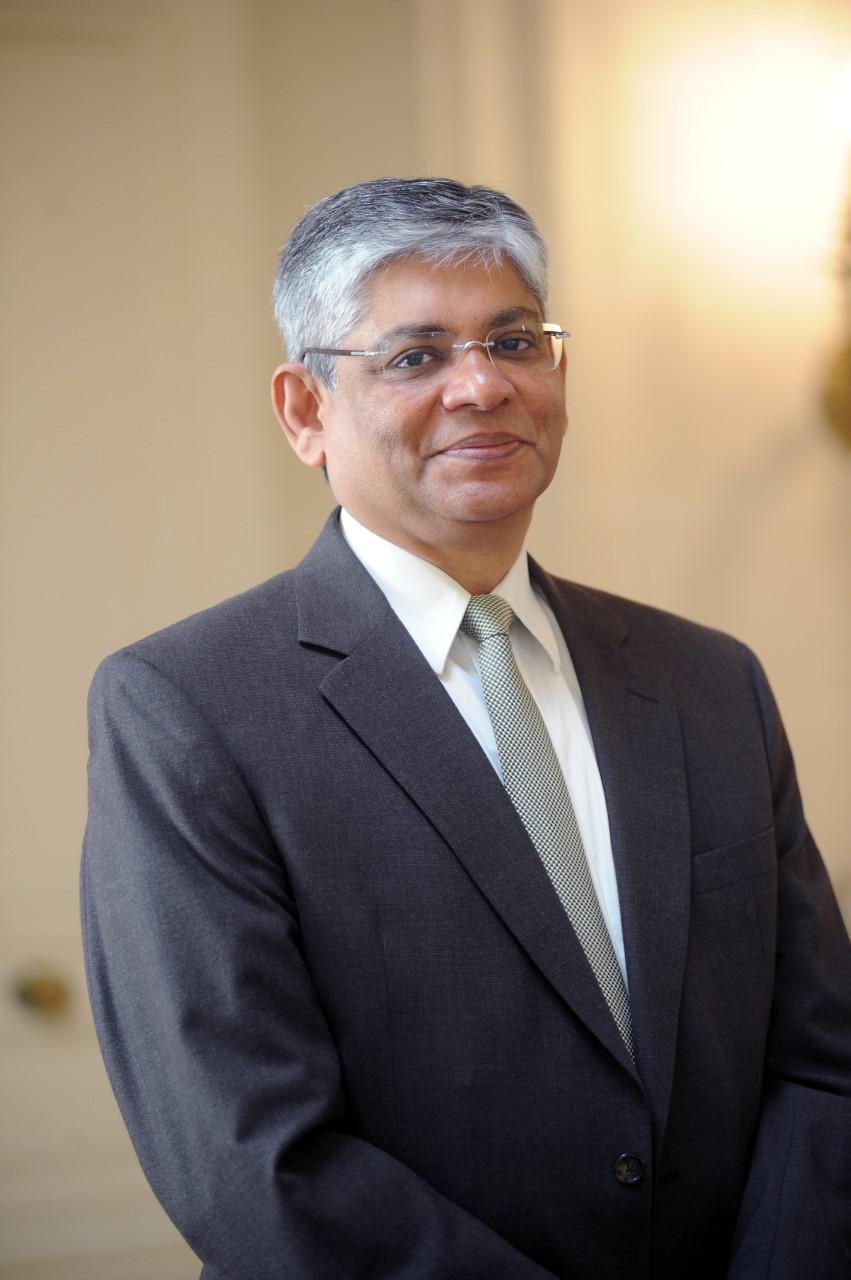
    TRUST and Tariffs

    The India-U.S. relationship currently appears buffeted between three “Ts”—TRUST, Tariffs, and Trump.

      Arun K. Singh

  • Article
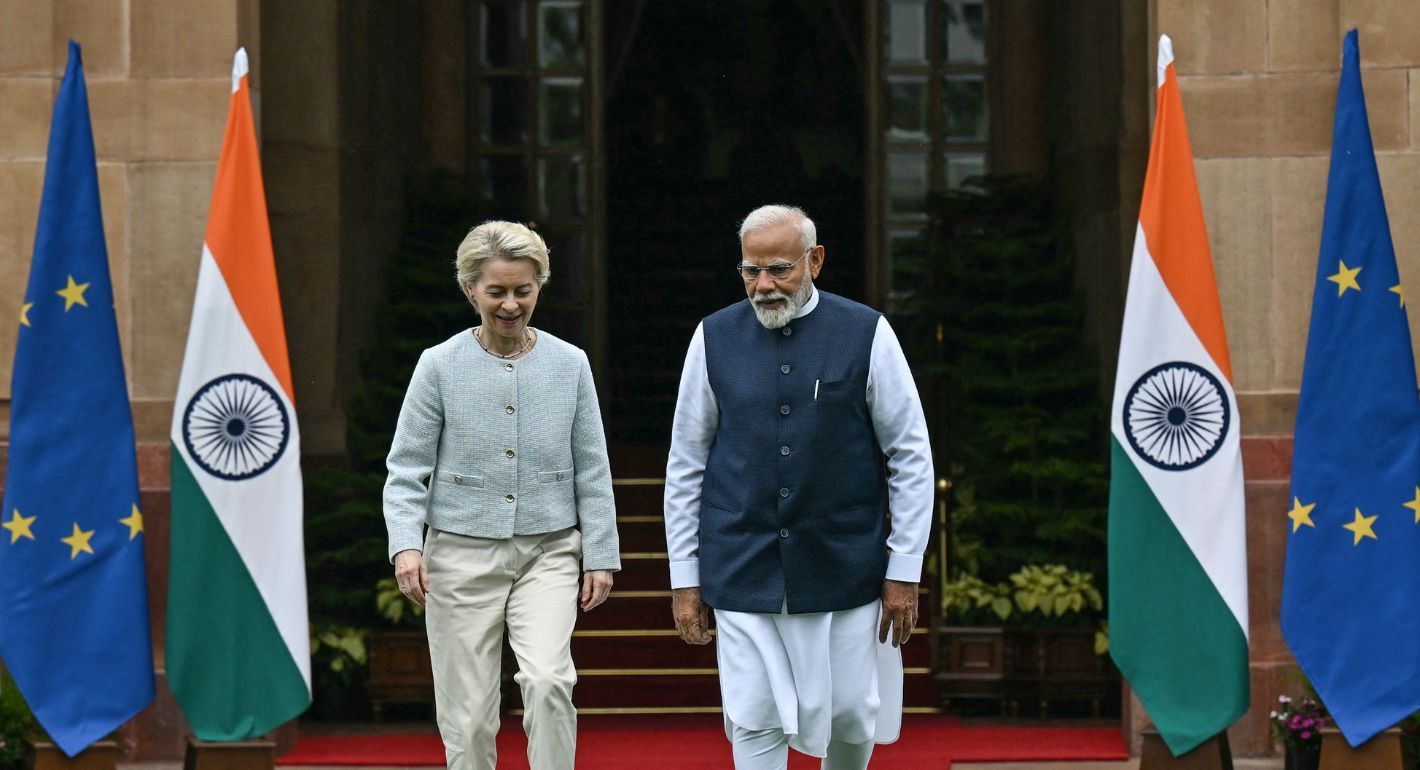
    Can Geopolitical Alignment Seal the India-EU FTA?

    This article argues that the geopolitical circumstances have never been more conducive, not merely for the early conclusion of the free trade agreement (FTA) between India and the EU, but also for crafting a substantive and comprehensive strategic partnership.

      Mohan Kumar

  • Article
    A Path Out of Tunisia’s Economic Crisis

    President Kais Saied has won a second term in office, but his country is facing a host of problems that necessitate urgent reforms, above all preventing the possibility of a financial meltdown. 

      Ishac Diwan, Hachemi Alaya, Hamza Meddeb

Get more news and analysis from
Carnegie India
Carnegie India logo, white
Unit C-4, 5, 6, EdenparkShaheed Jeet Singh MargNew Delhi – 110016, IndiaPhone: 011-40078687
  • Research
  • About
  • Experts
  • Projects
  • Events
  • Contact
  • Careers
  • Privacy
  • For Media
Get more news and analysis from
Carnegie India
© 2026 Carnegie Endowment for International Peace. All rights reserved.