• Research
  • About
  • Experts
Carnegie India logoCarnegie lettermark logo
REQUIRED IMAGE

REQUIRED IMAGE

Paper

Lessons Not Learned: Problems with Western Aid for Law Reform in Postcommunist Countries

The fall of the Berlin wall and the subsequent breakup of the Soviet Union presented an unparalleled opportunity for fundamental political and economic change in more than two dozen countries. As postcommunist countries sought to attain the economic development of their Western neighbors, it became clear that the existing framework of laws and institutions would not support the desired growth.

Link Copied
By Wade Channell
Published on Apr 26, 2005

Additional Links

Full Text (PDF)

Summary
The fall of the Berlin wall in 1989 and the subsequent breakup of the Soviet Union presented an unparalleled opportunity for fundamental political and economic change in more than two dozen countries. As postcommunist countries sought to attain the economic development of their Western neighbors, it became clear that the existing framework of laws and institutions would not support the desired growth. Reformers and development experts soon identified a panoply of gaps and shortcomings in financial resources, human resources, and organizational capacity, all of which appeared ripe for outside assistance.

About the Author
Wade Channell is an independent consultant specializing in legal reform and economic development issues in developing and transition countries. Since graduating from Southern Methodist University Law School in 1985, he has lived in Eastern Europe, Western Europe, Latin America, Africa, and the United States, and has worked in more than thirty-five countries. He is currently based in Brussels.

A limited number of print copies are available.
Request a copy   

About the Author

Wade Channell

Wade Channell
CaucasusEastern EuropePolitical ReformDemocracyEconomy

Carnegie India does not take institutional positions on public policy issues; the views represented herein are those of the author(s) and do not necessarily reflect the views of Carnegie, its staff, or its trustees.

More Work from Carnegie India

  • Commentary
    The Impact of U.S. Sanctions and Tariffs on India’s Russian Oil Imports

    This piece examines India’s response to U.S. sanctions and tariffs, specifically assessing the immediate market consequences, such as alterations in import costs, and the broader strategic implications for India’s energy security and foreign policy orientation.

      Vrinda Sahai

  • Paper
    India-China Economic Ties: Determinants and Possibilities

    This paper examines the evolution of India-China economic ties from 2005 to 2025. It explores the impact of global events, bilateral political ties, and domestic policies on distinct spheres of the economic relationship.

      Santosh Pai

  • Commentary
    TRUST and Tariffs

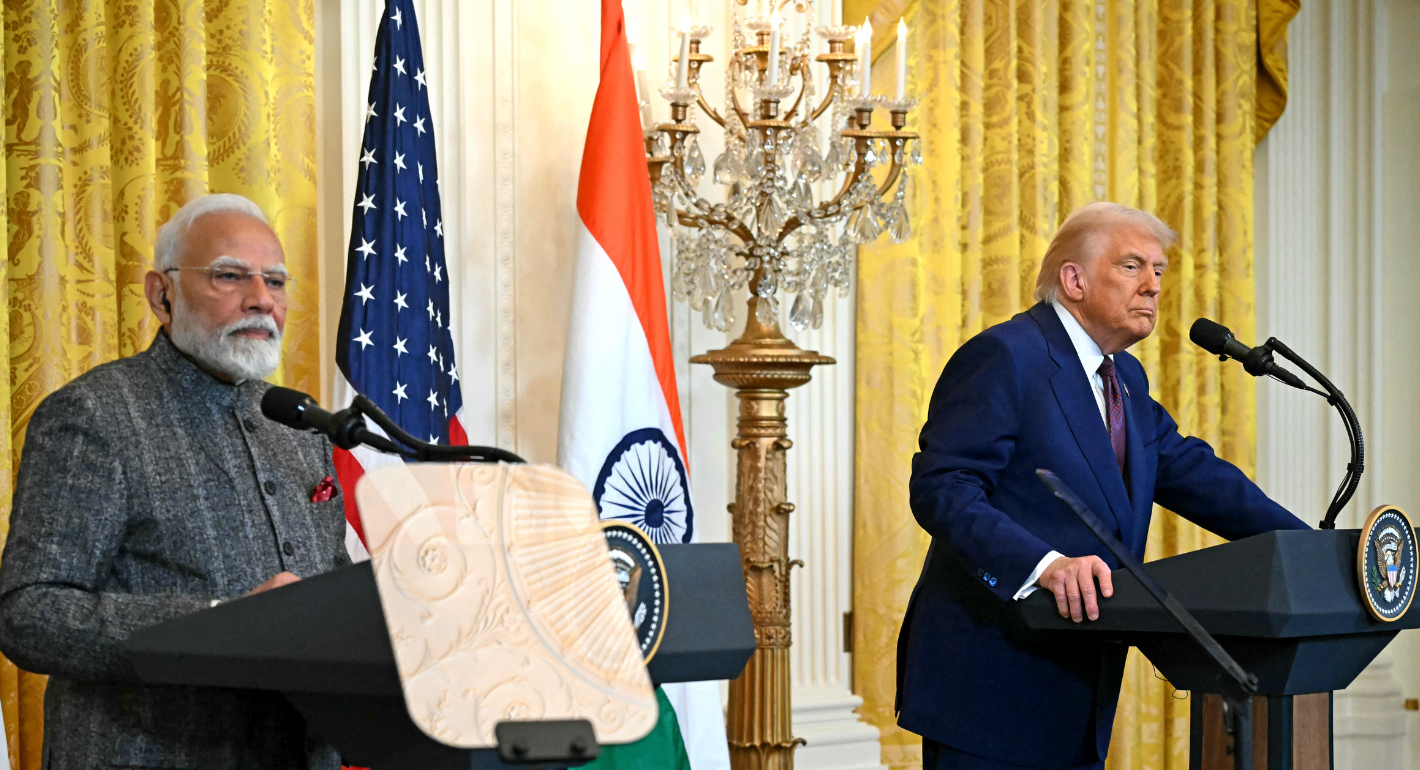
    The India-U.S. relationship currently appears buffeted between three “Ts”—TRUST, Tariffs, and Trump.

      Arun K. Singh

  • Article
    Can Geopolitical Alignment Seal the India-EU FTA?

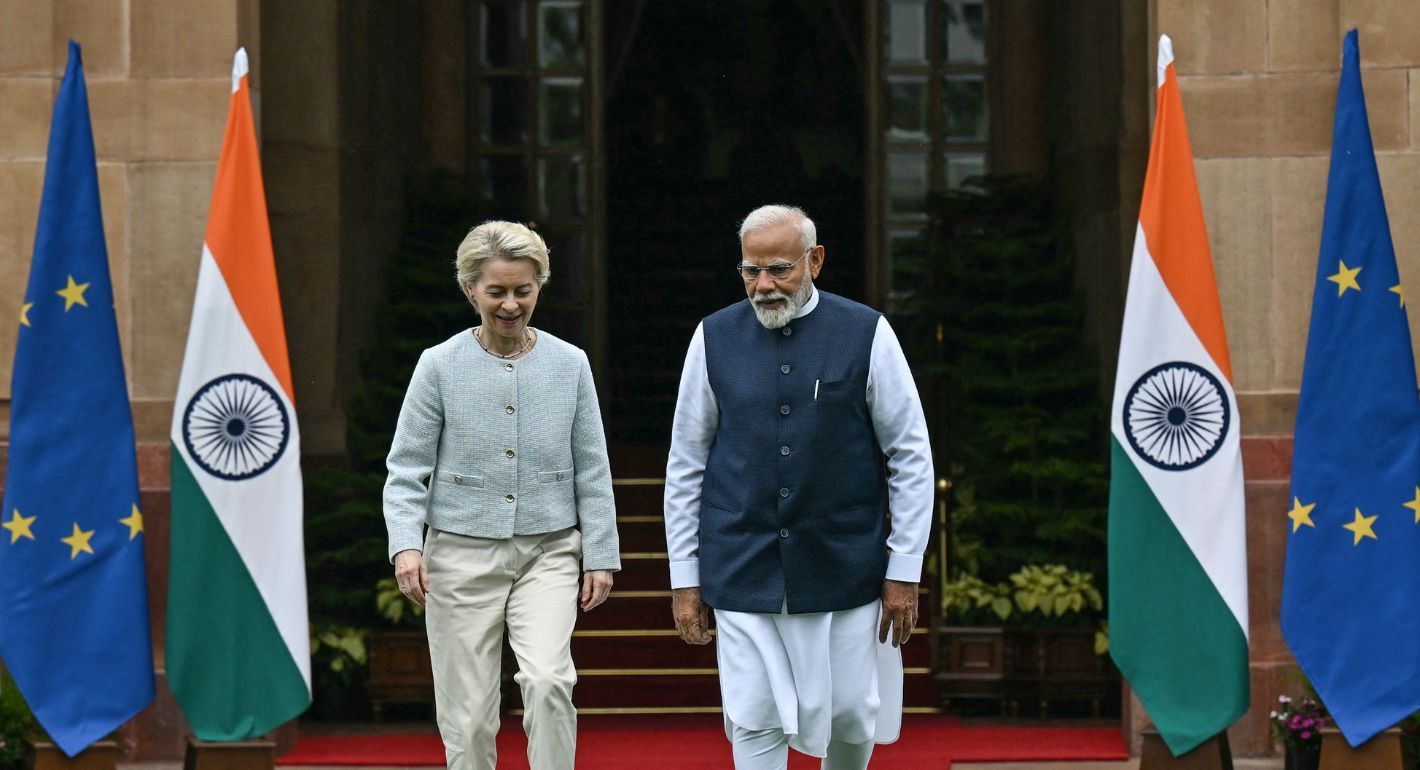
    This article argues that the geopolitical circumstances have never been more conducive, not merely for the early conclusion of the free trade agreement (FTA) between India and the EU, but also for crafting a substantive and comprehensive strategic partnership.

      Mohan Kumar

  • Article
    The Best of Ideas and Institutions, 2023

    In 2023, the Ideas and Institutions newsletter from Carnegie India's Political Economy team sent out forty-eight essays. This year-end roundup features those essays that the writers of this newsletter consider the best of the year.

      Suyash Rai, Anirudh Burman

Get more news and analysis from
Carnegie India
Carnegie India logo, white
Unit C-4, 5, 6, EdenparkShaheed Jeet Singh MargNew Delhi – 110016, IndiaPhone: 011-40078687
  • Research
  • About
  • Experts
  • Projects
  • Events
  • Contact
  • Careers
  • Privacy
  • For Media
Get more news and analysis from
Carnegie India
© 2026 Carnegie Endowment for International Peace. All rights reserved.