• Research
  • About
  • Experts
Carnegie India logoCarnegie lettermark logo
Arab Countries Stumble in the Face of Growing Economic Crisis

Source: Getty

Article
Malcolm H. Kerr Carnegie Middle East Center

Arab Countries Stumble in the Face of Growing Economic Crisis

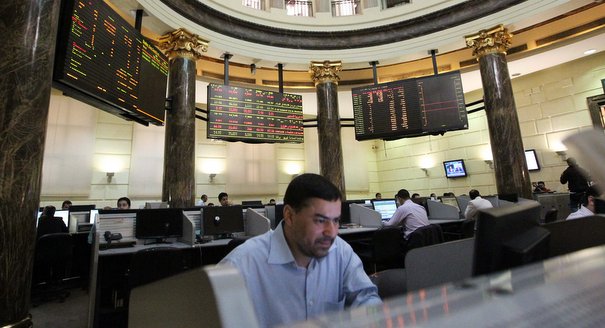
The reaction of Arab countries to the economic crisis has been patchy, uneven, and deficient. Cushioning the blow, protecting the hardest hit, and reigniting regional growth will all be best achieved by an urgent and coordinated response that does not compromise important long-term goals like increased transparency and stability.

Link Copied
By Ibrahim Saif and Farah Choucair
Published on May 14, 2009

Additional Links

Full Text - EnglishFull Text - Arabic

The reaction of Arab countries to the economic crisis has been patchy, uneven, and deficient. Cushioning the blow, protecting the hardest hit, and reigniting regional growth will all be best achieved by an urgent and coordinated response that does not compromise important long-term goals like increased transparency and stability, concludes a new commentary from Ibrahim Saif and Farah Choucair.

Saif and Choucair examine the policy responses of Gulf countries, the Maghreb, and Egypt, Lebanon, Syria, Jordan, and Yemen. Faced with declining oil revenues and heavy financial-sector losses, Gulf countries increased spending to sustain growth, but only focused on a few sectors. Other Arab countries, threatened by shrinking exports, remittances, and foreign aid, have adopted ad hoc national policies after an initial period of denial.

Recommendations:

  • Arab states must strengthen and extend their social safety nets. Social unrest could result if the crisis worsens and recovery plans remain opaque and ineffective.
     
  • Some Gulf governments have reduced the employment of foreign workers, reacting to public anger fueled by rising unemployment. Anti-foreign labor policies hurt North African countries, which depend on remittances from their citizens working in the Gulf.
     
  • Recovery plans must incorporate input from the private sector, and use clear criteria to determine which sectors of the economy are key priorities.
     
  • Policies must be implemented transparently to restore weakened consumer and investor confidence, and to avoid undermining long-term stability.

Saif and Choucair conclude:

“The policy responses of Arab countries thus far are simply deficient. Characterized by an initial state of denial, the policy measures that followed are highly arbitrary and lack a clear vision. Many governments are not dealing with the crisis with the needed degree of urgency. Since the crisis is global in nature, no single country can face its ramifications alone; a more collective effort should be pursued at both governmental and private sector levels.”

About the Authors

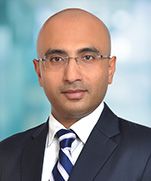
Ibrahim Saif

Former Senior Associate, Middle East Center

Saif is an economist specializing in the political economy of the Middle East. His research focuses on international trade and structural adjustment programs in developing countries, with emphasis on Jordan and the Middle East.

Farah Choucair

Authors

Ibrahim Saif
Former Senior Associate, Middle East Center
Ibrahim Saif
Farah Choucair
Middle EastNorth AfricaNorth AmericaEconomy

Carnegie India does not take institutional positions on public policy issues; the views represented herein are those of the author(s) and do not necessarily reflect the views of Carnegie, its staff, or its trustees.

More Work from Carnegie India

  • Commentary
    The Impact of U.S. Sanctions and Tariffs on India’s Russian Oil Imports

    This piece examines India’s response to U.S. sanctions and tariffs, specifically assessing the immediate market consequences, such as alterations in import costs, and the broader strategic implications for India’s energy security and foreign policy orientation.

      Vrinda Sahai

  • Paper
    India-China Economic Ties: Determinants and Possibilities

    This paper examines the evolution of India-China economic ties from 2005 to 2025. It explores the impact of global events, bilateral political ties, and domestic policies on distinct spheres of the economic relationship.

      Santosh Pai

  • Commentary
    TRUST and Tariffs

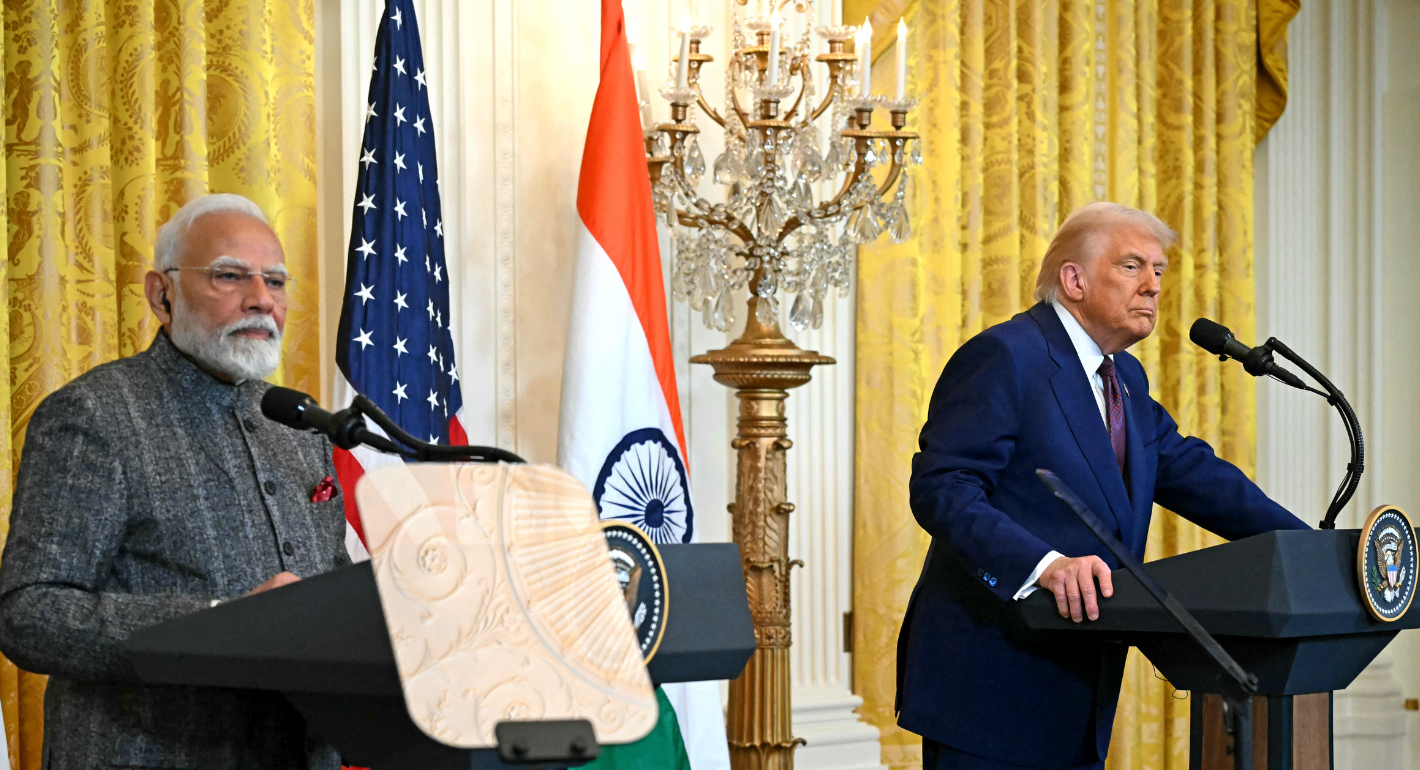
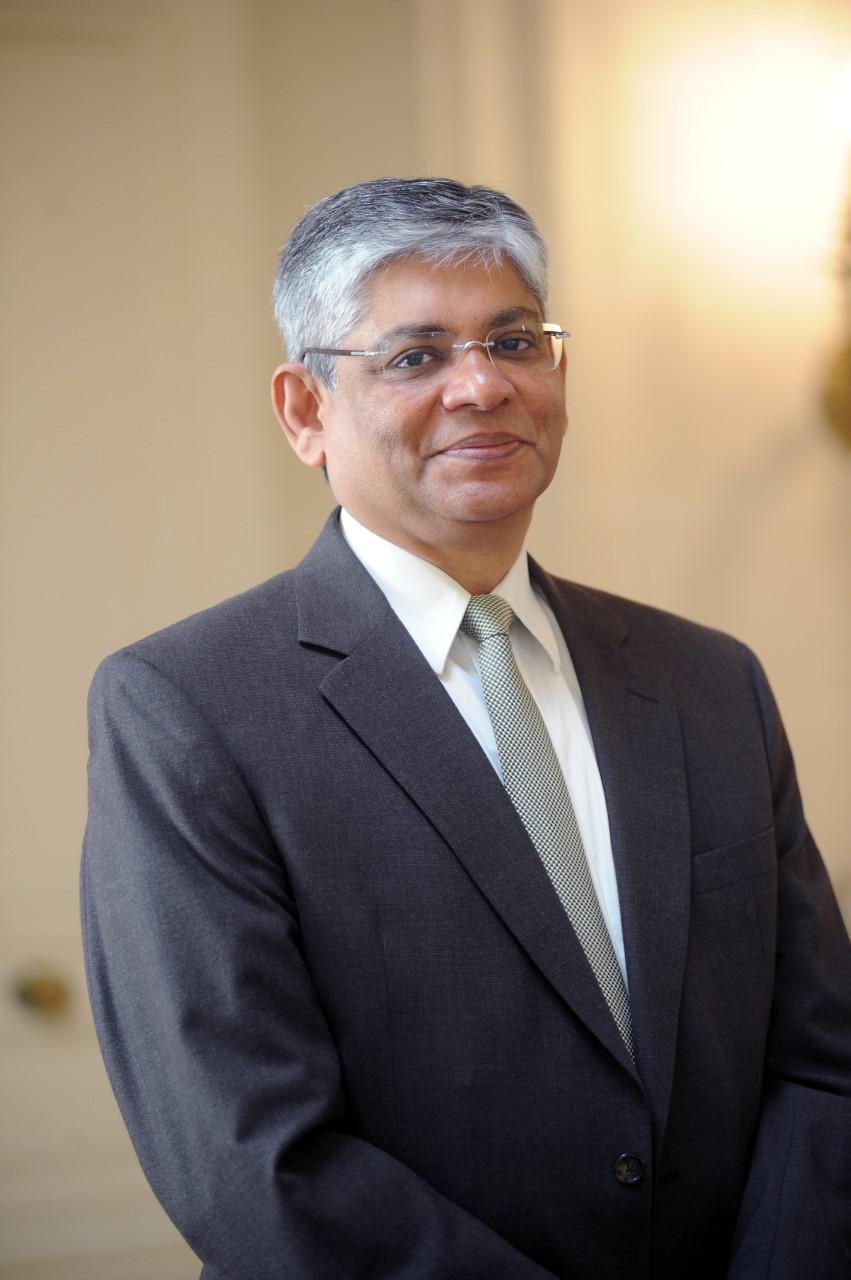
    The India-U.S. relationship currently appears buffeted between three “Ts”—TRUST, Tariffs, and Trump.

      Arun K. Singh

  • Article
    Can Geopolitical Alignment Seal the India-EU FTA?

    This article argues that the geopolitical circumstances have never been more conducive, not merely for the early conclusion of the free trade agreement (FTA) between India and the EU, but also for crafting a substantive and comprehensive strategic partnership.

      Mohan Kumar

  • Source: iStock
    Commentary
    What’s Next for U.S. AI Policy?

    This commentary explores the likely actions of the Trump administration and driving forces on issues of deregulation, the United States’ leadership in AI, national security, and global engagements on AI safety.

      Shatakratu Sahu, Amlan Mohanty

Get more news and analysis from
Carnegie India
Carnegie India logo, white
Unit C-4, 5, 6, EdenparkShaheed Jeet Singh MargNew Delhi – 110016, IndiaPhone: 011-40078687
  • Research
  • About
  • Experts
  • Projects
  • Events
  • Contact
  • Careers
  • Privacy
  • For Media
Get more news and analysis from
Carnegie India
© 2026 Carnegie Endowment for International Peace. All rights reserved.