

Commentary
How is AI reshaping space security, creating governance challenges, and where does international diplomacy stand today?
Tejas Bharadwaj, Almudena Azcárate Ortega

Source: Getty
Offshore oil reserves are too small to significantly impact world oil prices or U.S. reliance on foreign oil. Alternatives to offshore drilling exist and could maximize long-term environmental, economic, and security gains.
Proponents of offshore oil drilling ignore reality: offshore oil reserves are too small to significantly impact world oil prices or U.S. reliance on foreign oil. Offshore oil, which necessitates costly and environmentally dangerous drilling, would produce about 514 million barrels annually by 2030—less than 1 percent of global oil production.
This paper identifies five alternatives to offshore oil for the transportation sector that would decrease energy demand, limit U.S. dependence on foreign oil, cut costs for consumers, and reduce carbon emissions. The transportation sector accounts for nearly three quarters of all petroleum use in the United States and is responsible for 42 percent of carbon emissions.
Five alternatives that make more sense than offshore oil:
“The first step toward weaning our nation off petroleum is to take full advantage of the efficient technologies we already have,” writes Leonard. “We can then supplement these with more advanced technologies to maximize our long-term environmental, economic, and security gains.”
Whitney Angell Leonard
Carnegie Endowment for International Peace
Carnegie India does not take institutional positions on public policy issues; the views represented herein are those of the author(s) and do not necessarily reflect the views of Carnegie, its staff, or its trustees.

How is AI reshaping space security, creating governance challenges, and where does international diplomacy stand today?


Tejas Bharadwaj, Almudena Azcárate Ortega

The U.S.–India semiconductor cooperation story is well-stocked with top-level strategic intent. What remains unresolved, however, are some underlying challenges that will determine whether the cooperation actually functions. Three such friction points stand out.

Shruti Mittal
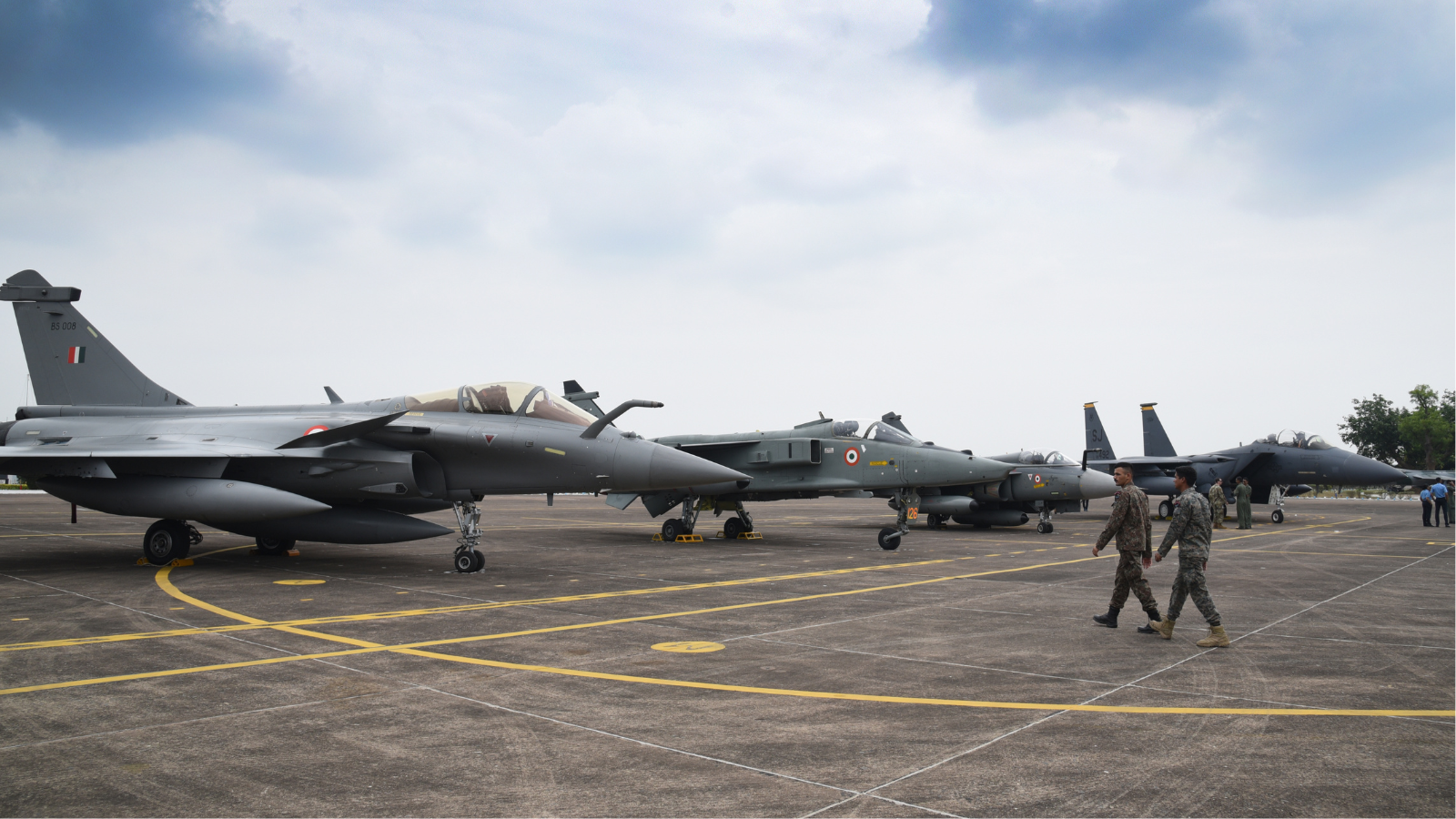
India and the United States are close to concluding a Reciprocal Defense Procurement Agreement (RDPA) that will allow firms from the two countries to sell to each other’s defense establishments more easily. While this may not remedy the specific grievances both sides may have regarding larger bilateral issues, an RDPA could restore some momentum, following the trade deal announcement.

Konark Bhandari

On the last day of the India AI Impact Summit, India signed Pax Silica, a U.S.-led declaration seemingly focused on semiconductors. While India’s accession to the same was not entirely unforeseen, becoming a signatory nation this quickly was not on the cards either.
Konark Bhandari

This piece examines India’s response to U.S. sanctions and tariffs, specifically assessing the immediate market consequences, such as alterations in import costs, and the broader strategic implications for India’s energy security and foreign policy orientation.

Vrinda Sahai