

Commentary
Dmitri Trenin
By the beginning of the twenty-first century, Russia had recovered from its domestic crisis, and so had its global ambitions. While Moscow’s principal interests still lie mostly toward the West, the Middle East is back on Moscow’s radar screen and Russia’s withdrawal from the region has been reversed.
Source: The Century Foundation

The Middle East is important to Moscow for several reasons – its physical proximity; the Muslim factor, as continuing religious and political turbulence within the Muslim world brings radical ideas and militants from the Middle East into Russia and impacts Russia’s policy in the Caucasus, the central Russian republics of Tatarstan and Bashkortostan, and post-Soviet Central Asia; large emigration from Russia to Israel, where 20 percent of the population are former Soviet Jews; the energy riches of the region; and Russian attention to the current U.S. focus on the region, and American military involvement in Iraq and Afghanistan.
Reprinted with permission from The Century Foundation.
Former Director, Carnegie Moscow Center
Trenin was director of the Carnegie Moscow Center from 2008 to early 2022.
Recent Work
Dmitri Trenin
Dmitri Trenin
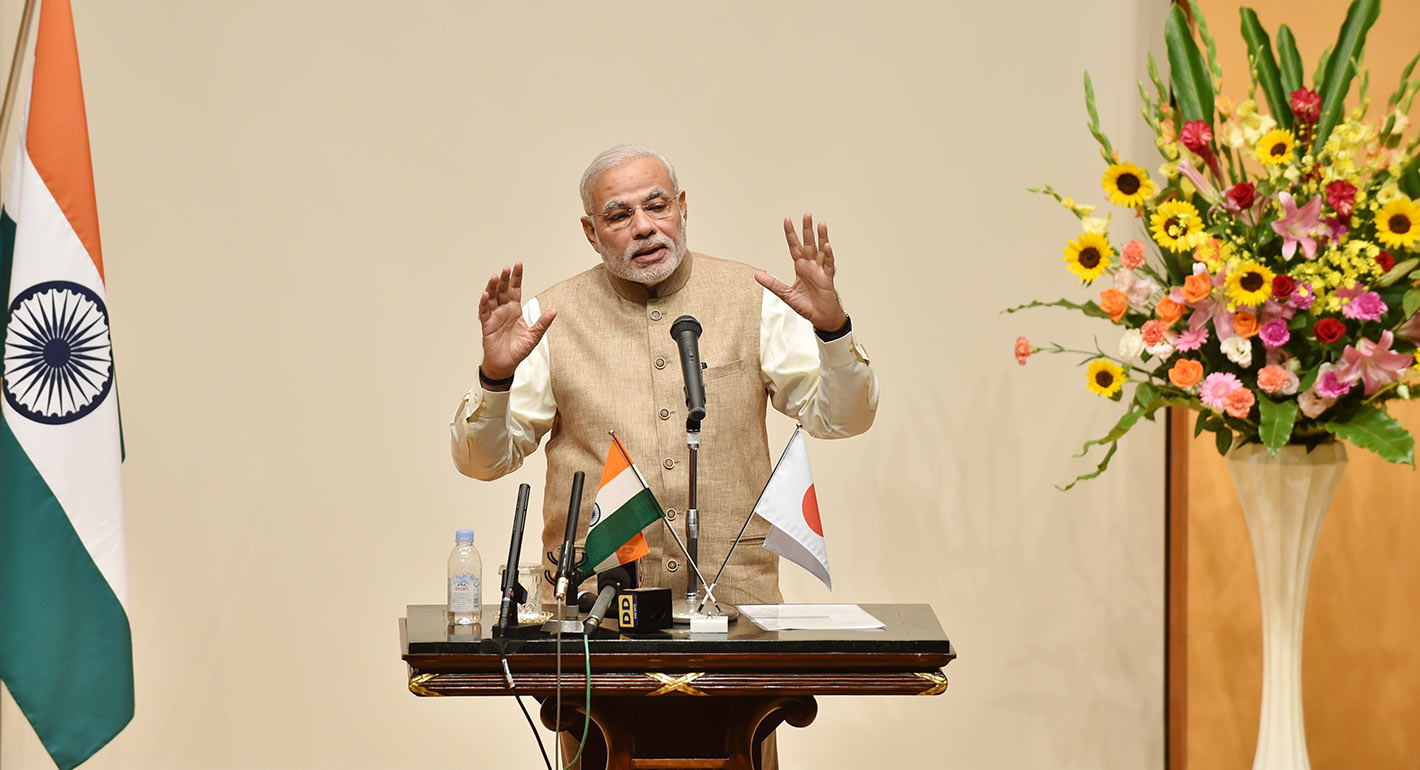
It has been a rather long learning curve for New Delhi to separate presumed transcendental religious solidarity and the logic of national self-interest in engaging the Middle East.
C. Raja Mohan
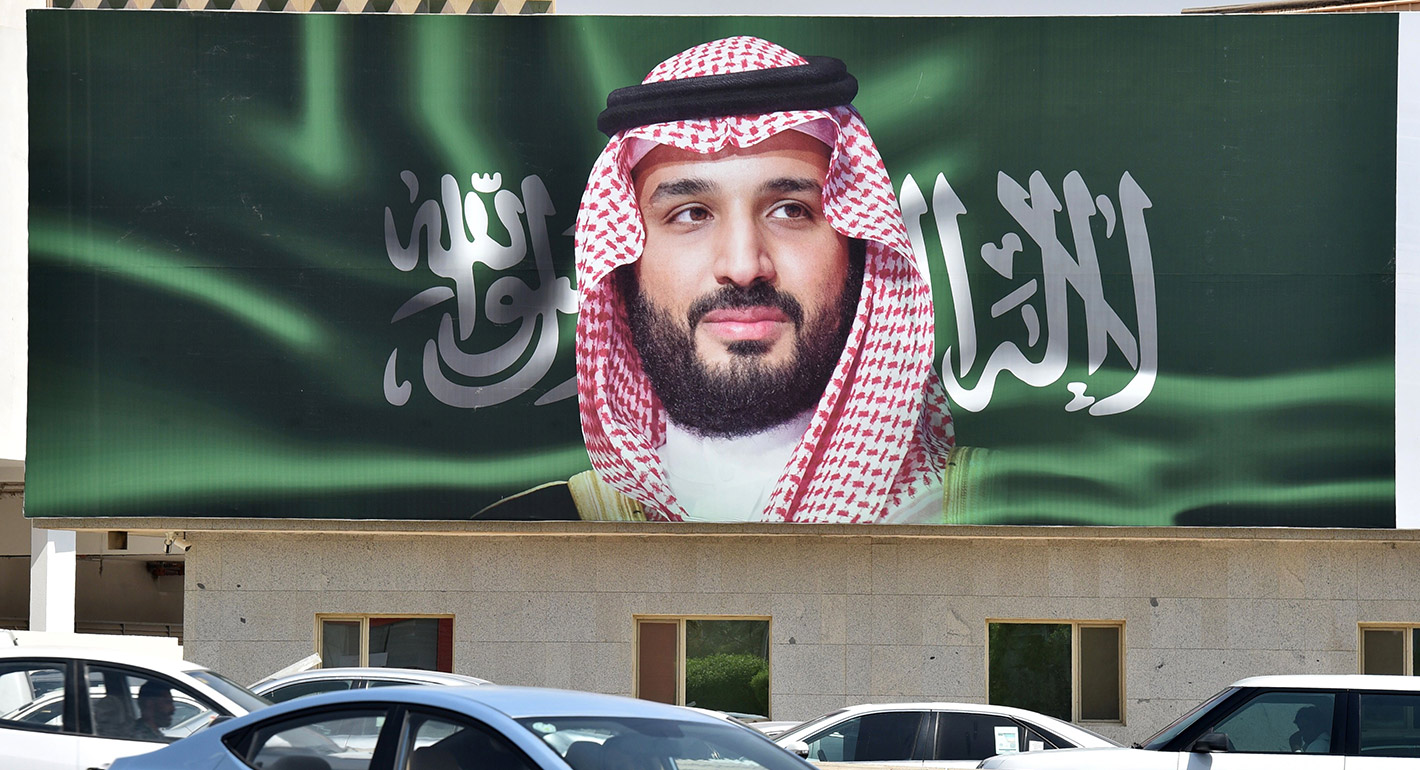
As New Delhi prepares to host the Saudi Crown Prince Mohammed bin Salman, India must come to terms with an unfamiliar idea—“nationalism in Arabia”.
C. Raja Mohan
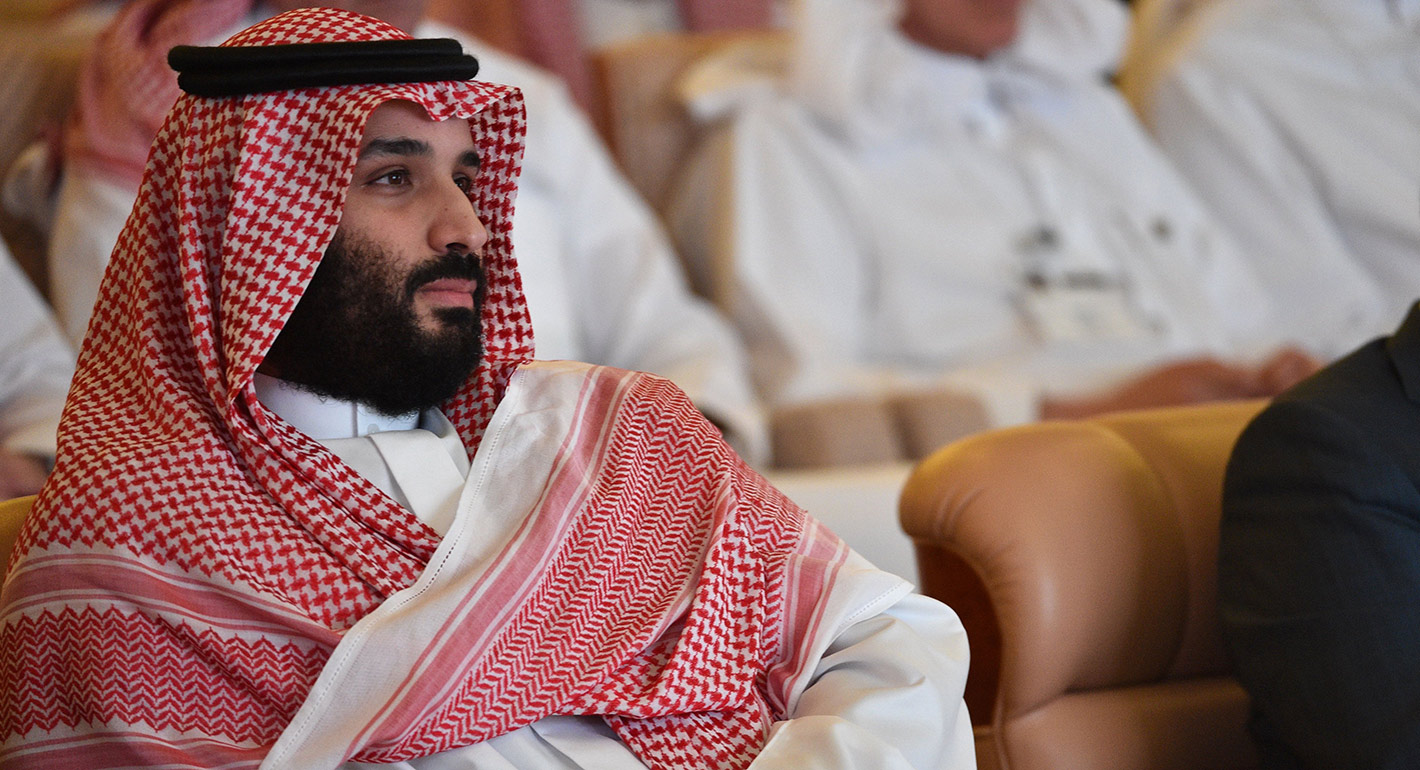
Saudi Crown Prince Mohammed bin Salman’s visit to India—as part of a larger tour of Asia, including Pakistan and China—should mark the consolidation of two important trends and help initiate a significant third.
C. Raja Mohan
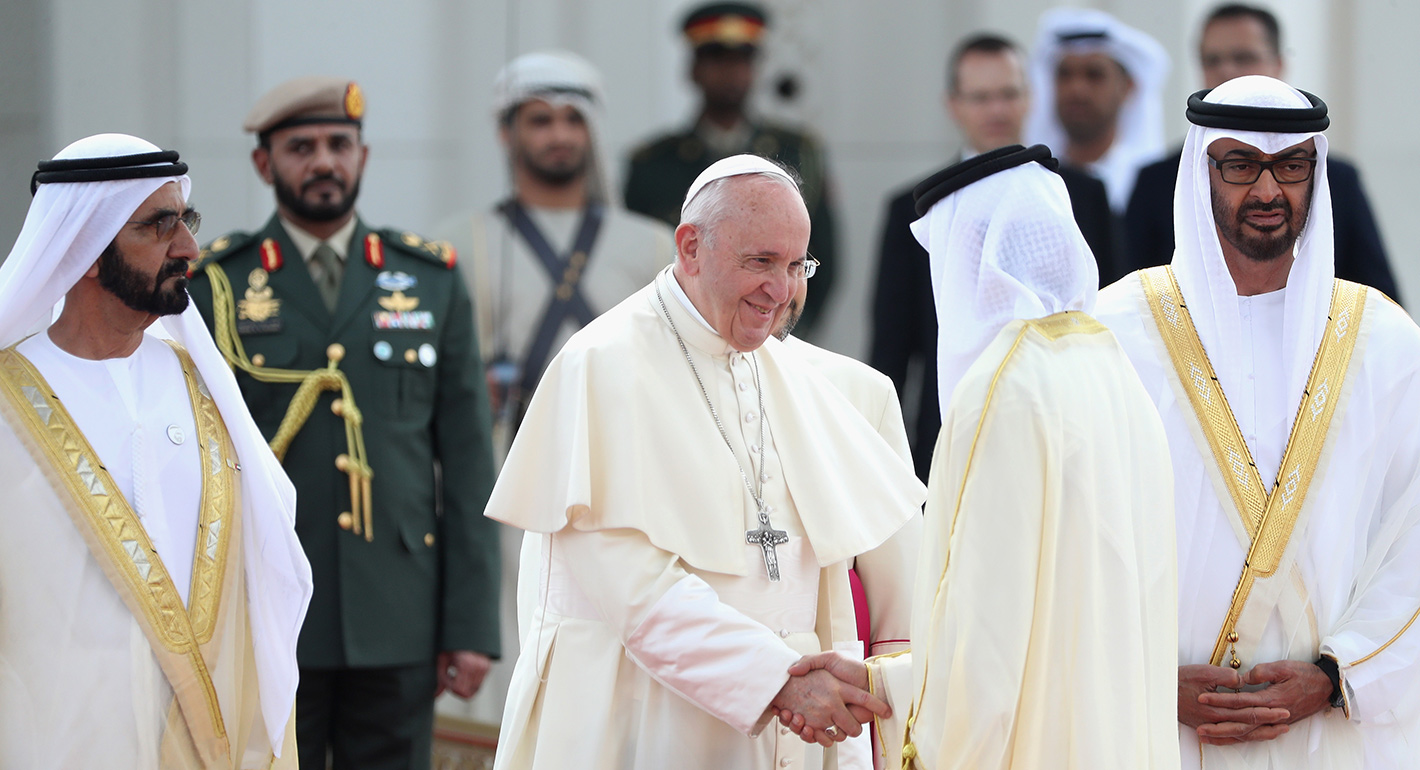
For both the United Arab Emirates and Saudi Arabia, the new emphasis on separating religion from politics and confronting “political Islam” is not a question of defining an abstract theory of the state. It is a considered response to the grave challenges they face.
C. Raja Mohan
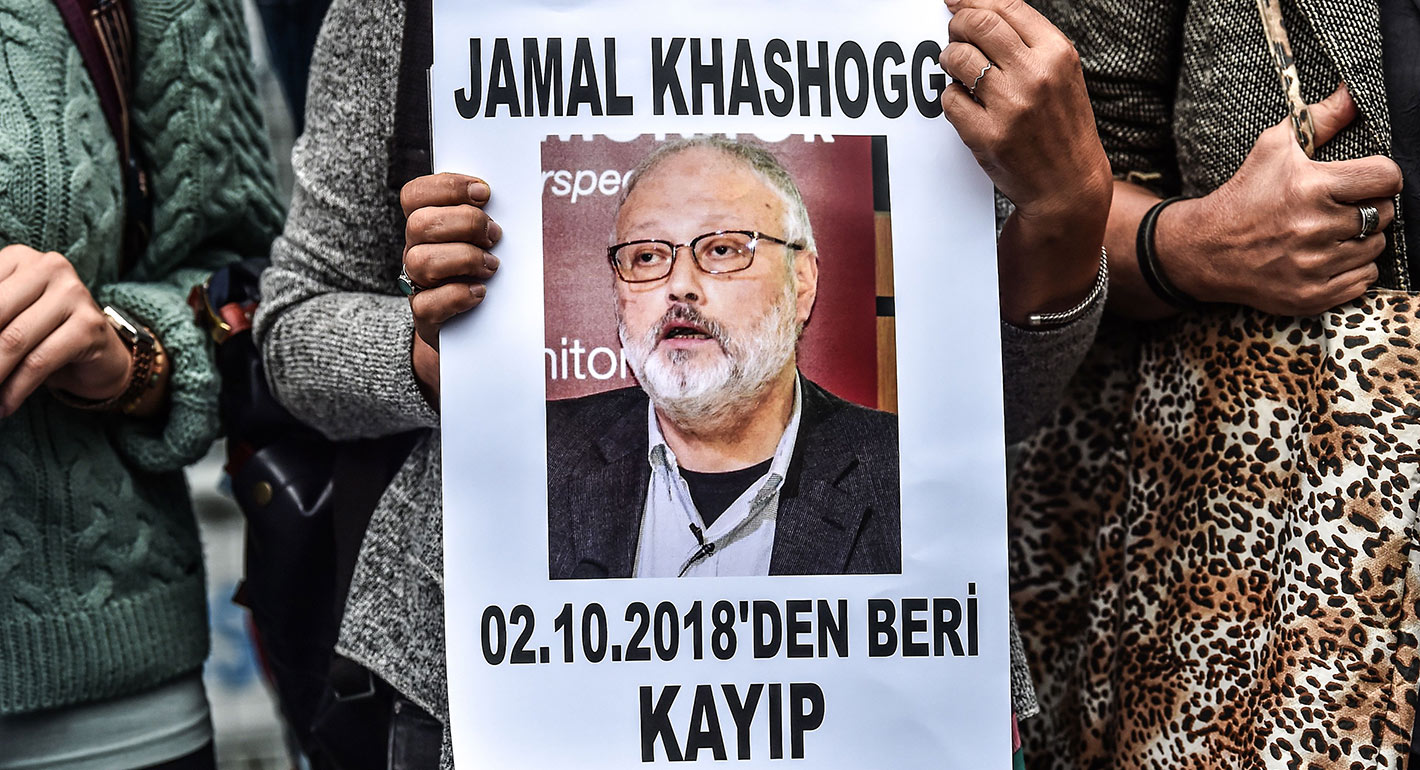
The outrageous murder of the Saudi dissident Jamal Khashoggi in the kingdom’s consulate in Istanbul has brought into sharp relief the deepening conflict between Riyadh and Ankara.
C. Raja Mohan