

Paper
Alejandro Foxley, Fernando Sossdorf
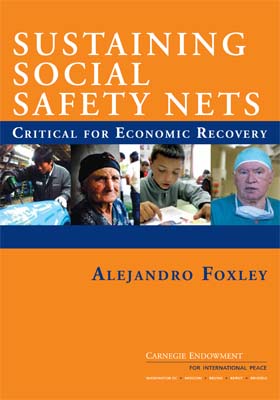
As middle-income countries recovering from the global financial crisis face high unemployment and growing government deficits, existing social services will become stressed. Maintaining these safety nets is a vital part of recovery.
The coverage and quality of basic social services—from unemployment insurance to health care and social security—will likely suffer as middle-income countries recover from the global financial crisis. Faced with high unemployment and growing government deficits, existing social services will become stressed. Yet maintaining these safety nets is a vital part of recovery without which significant segments of the middle class may slip into poverty, concludes a paper by Alejandro Foxley, former foreign and finance minister of Chile.
Foxley analyzes the provision of social services in Eastern Europe, East Asia, and Latin America and makes recommendations for how safety nets need to be restructured to protect vulnerable groups.
“The aftermath of the current global financial crisis will make it obvious that an active role for the state is unavoidable to cover the most vulnerable groups of the population and to mend existing social safety nets in terms of cost and accessibility,” writes Foxley.
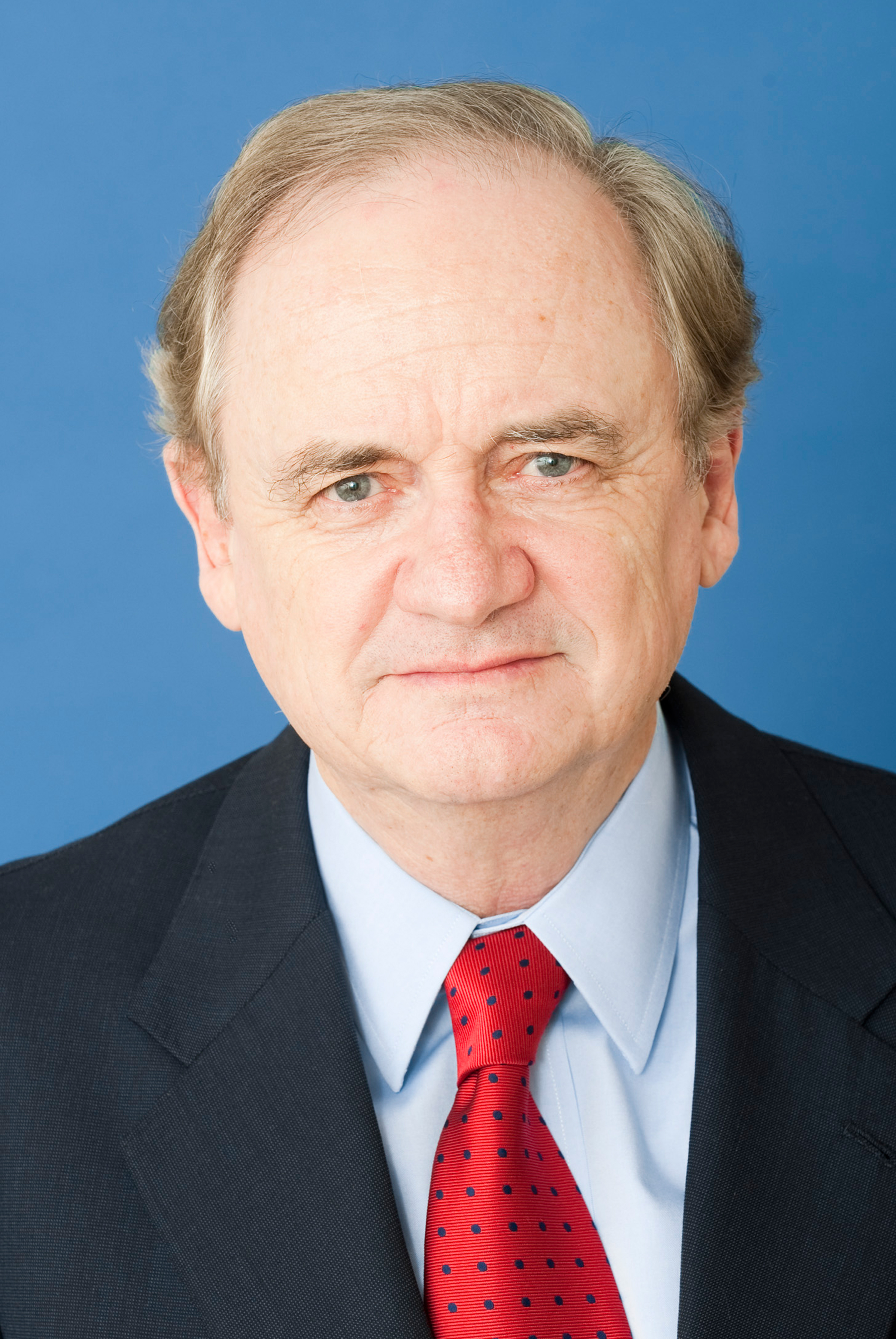
Former Senior Associate, International Economics Program
Foxley was previously minister of foreign affairs, senator, and minister of finance of the Republic of Chile. While minister of finance he concurrently served as a governor of the Inter-American Development Bank and the World Bank.
Recent Work
Alejandro Foxley, Fernando Sossdorf
Alejandro Foxley
Carnegie India does not take institutional positions on public policy issues; the views represented herein are those of the author(s) and do not necessarily reflect the views of Carnegie, its staff, or its trustees.

On March 10, 2026, India’s Union Cabinet approved amendments to Press Note 3, a regulation that mandated government approval on all foreign direct investment (FDI) from countries sharing a land border with India. This amendment raises questions primarily about whether its stated benefits will materialize and if the risks have been adequately weighed. This piece will address the same.

Konark Bhandari

This piece examines India’s response to U.S. sanctions and tariffs, specifically assessing the immediate market consequences, such as alterations in import costs, and the broader strategic implications for India’s energy security and foreign policy orientation.

Vrinda Sahai

This paper examines the evolution of India-China economic ties from 2005 to 2025. It explores the impact of global events, bilateral political ties, and domestic policies on distinct spheres of the economic relationship.

Santosh Pai
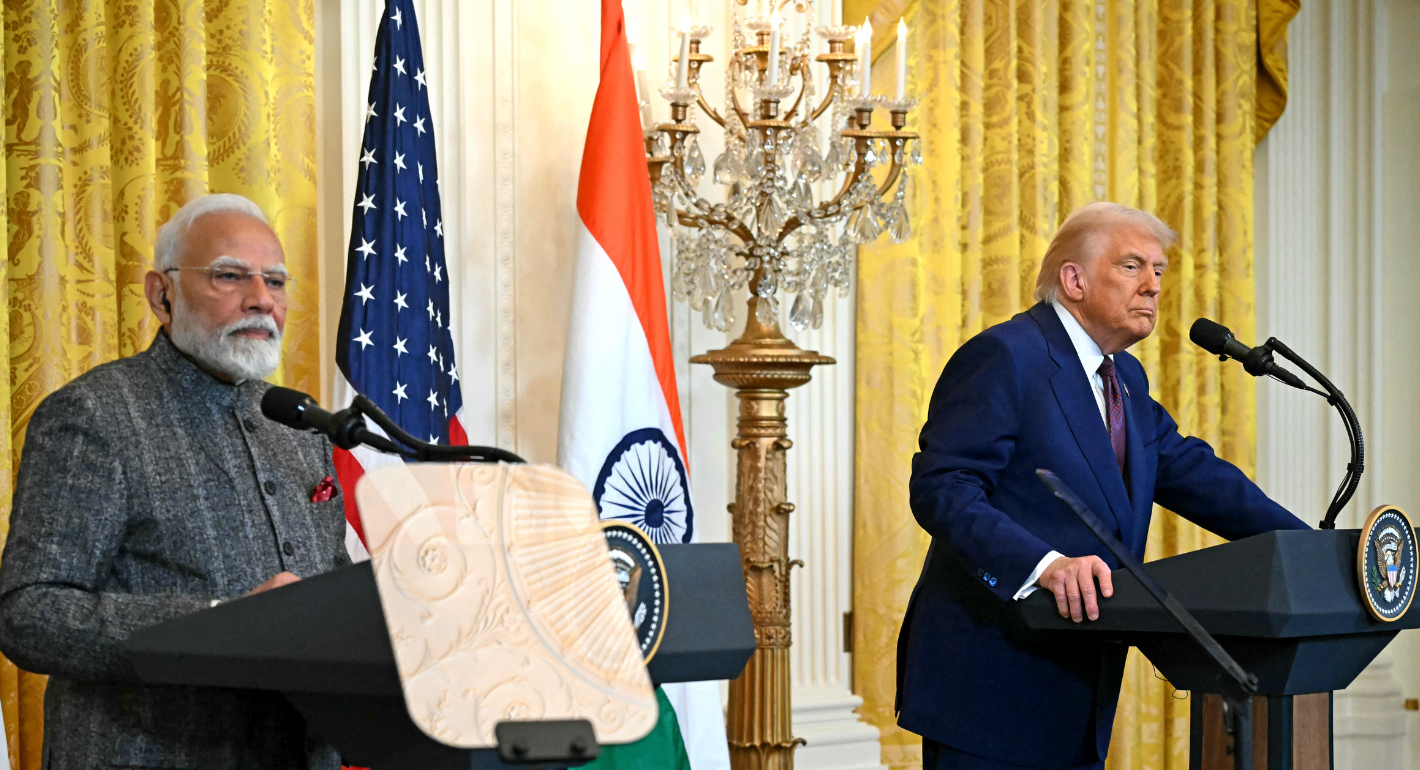
The India-U.S. relationship currently appears buffeted between three “Ts”—TRUST, Tariffs, and Trump.
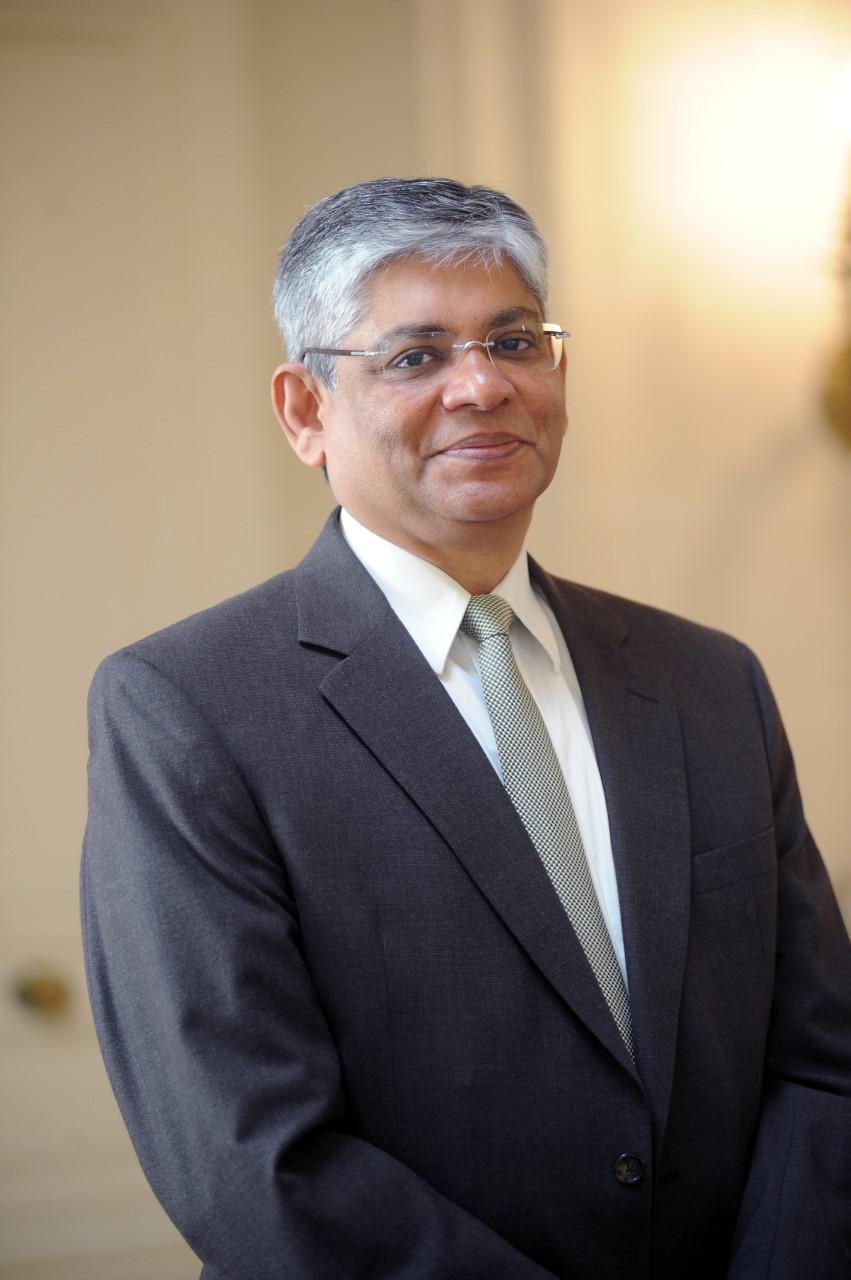
Arun K. Singh
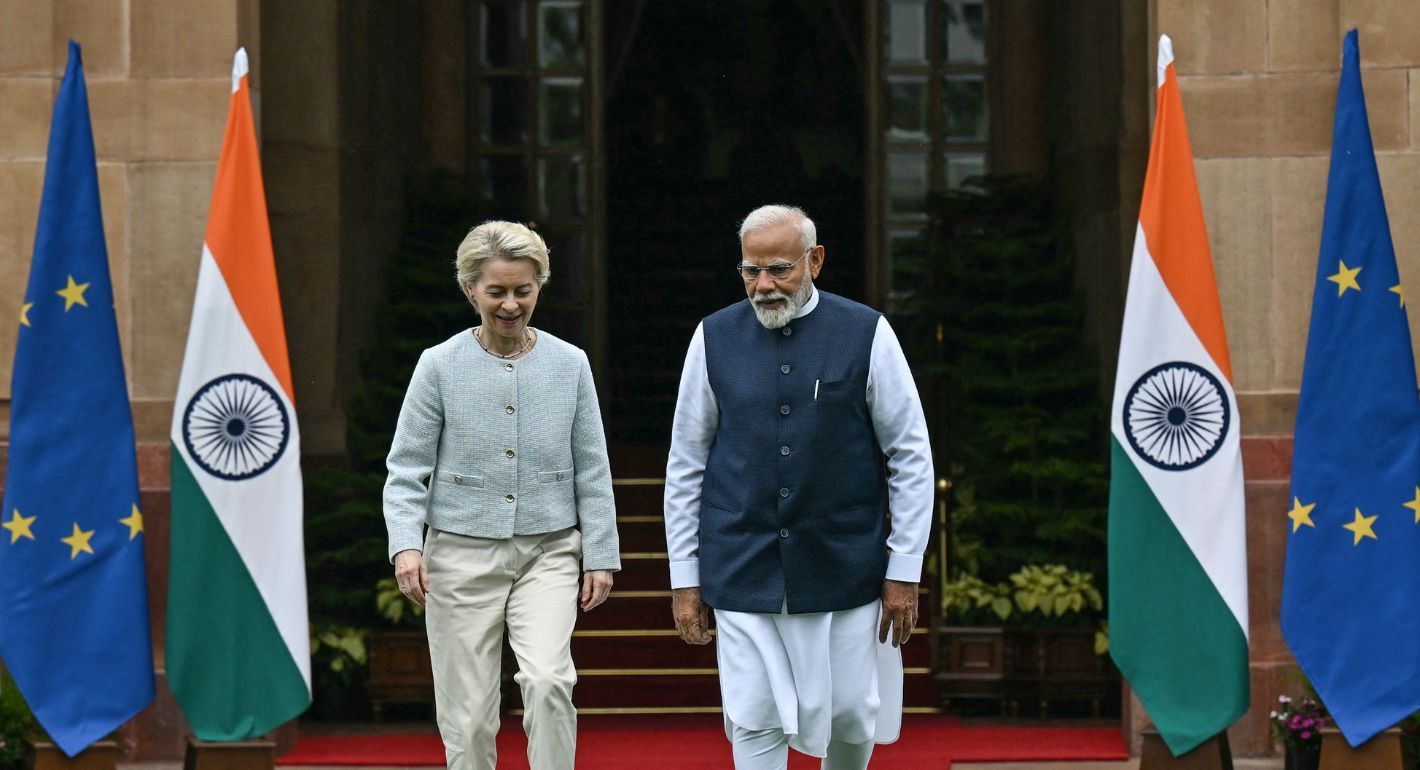
This article argues that the geopolitical circumstances have never been more conducive, not merely for the early conclusion of the free trade agreement (FTA) between India and the EU, but also for crafting a substantive and comprehensive strategic partnership.
Mohan Kumar