

Commentary
This piece examines the strategic implications of Bhutan’s diplomatic efforts amid its border dispute with China, highlighting the thin ice it walks on to achieve a resolution without compromising its vital relationships.
Shibani Mehta
Source: Getty
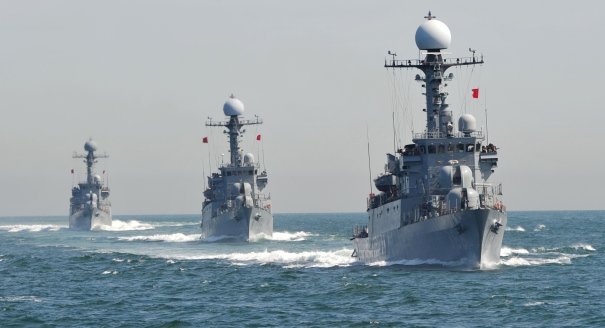
While tensions are rising on the Korean Peninsula and forecasting the North Korean leadership’s next steps is difficult, none of the parties involved have any interest in further escalation.
The rising tension on the Korean Peninsula sparked by the torpedoing of a South Korean military vessel, which evidence suggests was committed by North Korea, once more demonstrates the unpredictable nature of Kim Jong Il’s political regime.
The incident makes forecasting the North Korean leadership’s next steps difficult. Are further military provocations likely, or will the situation be limited to belligerent rhetoric? Much will depend on the positions taken by China and Russia. However, the harsh response from the United States, coupled with South Korea’s decision to suspend humanitarian aid to North Korea, leaves little chance for a rapid settlement of the conflict.
It is hard to say what type of sanctions the UN Security Council might impose on North Korea, or how Pyongyang may react. No one has an interest in further escalation, much less outright military conflict—not least North Korea, given its severe economic difficulties.
But the latest crisis deals a heavy blow to the six-party talks on defusing the North Korean nuclear situation and to the nuclear nonproliferation regime in general. No one knows for certain what North Korea has at its disposal: nuclear warheads that could be fitted to its Nodong or other ballistic missiles, or more primitive nuclear devices that could, for example, be delivered by ship to the coast of Japan or South Korea.
But it is impossible to rule out that Kim Jong Il, if backed into a corner, could take extreme measures. Attempts to resolve the conflict must keep this danger in mind.
Vladimir Dvorkin is a Carnegie Moscow Center expert on nuclear security.
Vladimir Dvorkin
Major General Dvorkin (retired) is a chief researcher at the Center for International Security at the Institute of World Economy and International Relations.
Carnegie India does not take institutional positions on public policy issues; the views represented herein are those of the author(s) and do not necessarily reflect the views of Carnegie, its staff, or its trustees.

This piece examines the strategic implications of Bhutan’s diplomatic efforts amid its border dispute with China, highlighting the thin ice it walks on to achieve a resolution without compromising its vital relationships.

Shibani Mehta
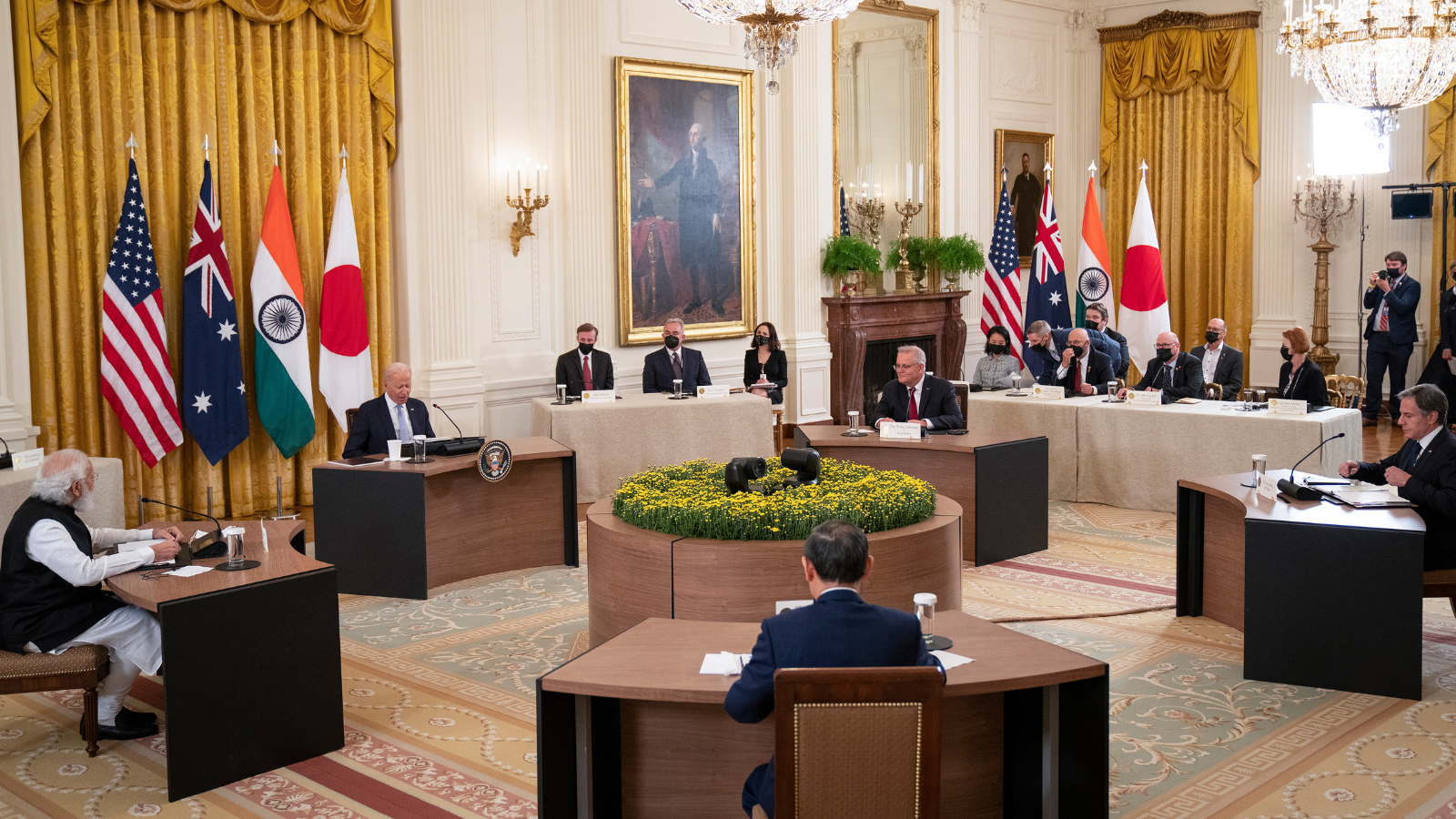
With India set to host the sixth Quad Leaders' Summit in 2024, there is every opportunity for this minilateral to not only develop a DPI initiative but also execute pilots in the Indo-Pacific. This essay shares a rationale for how the four Quad countries could achieve this goal.


Rudra Chaudhuri, Aadya Gupta

How can India navigate export control measures at a time when it is also entering into technology-centric partnerships with other nations to secure enhanced access to advanced technology?

Konark Bhandari
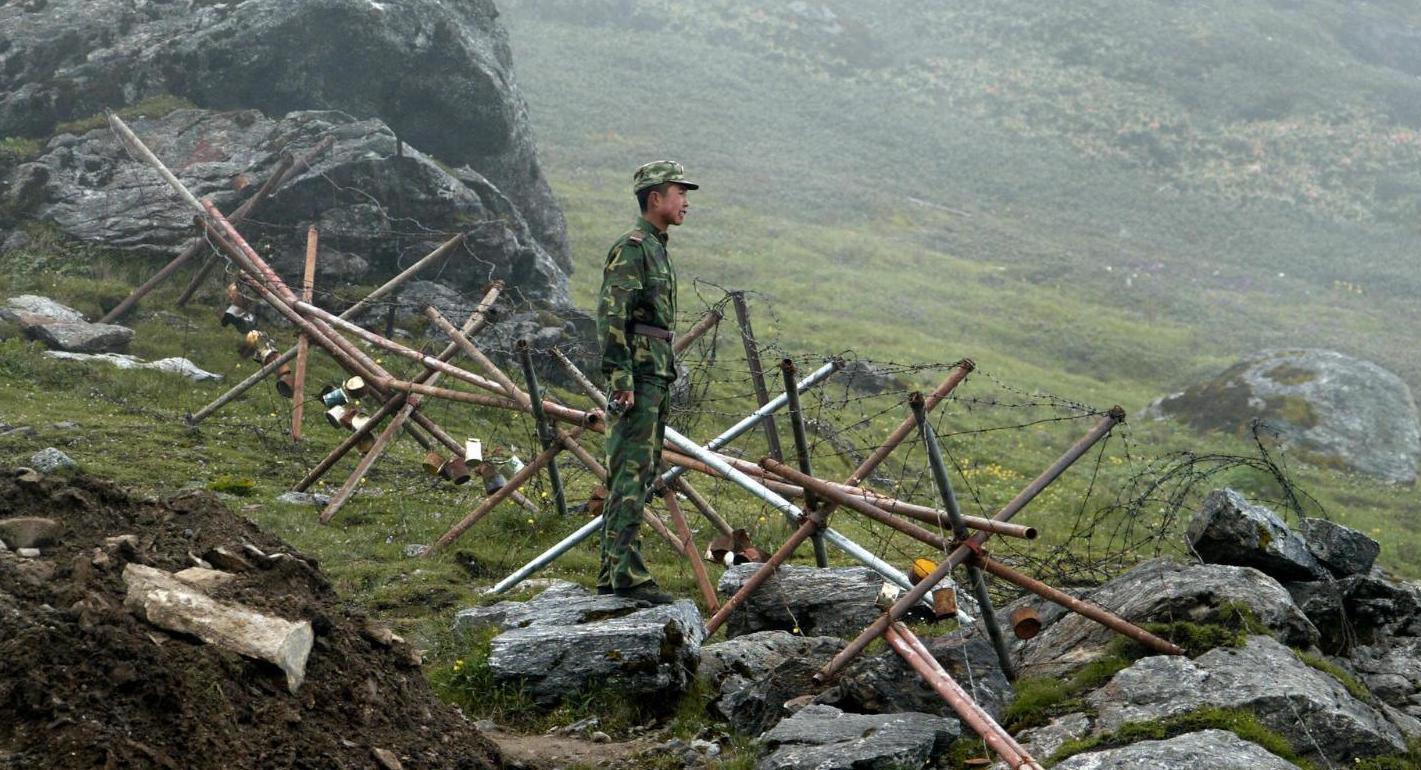
This article examines the significance of the 2013, 2014, and 2015 border standoffs between India and China. It presents a detailed account of the border crises and how the two countries tried to manage them.
Shibani Mehta
Contrary to some recent analyses, this commentary explains why a strategic détente between India and China is unlikely.

Saheb Singh Chadha