

Paper
- +4
Dmitri Trenin, Alexey Arbatov, Maria Lipman, …
Source: Getty
The 1861 reform sounded the death knell for Russian feudalism, and attempts by the ruling bureaucracy’s to restore some aspects of feudal government should have no place.
The day Russia abolished serfdom is not among the widely commemorated dates in its history. This is partly because many Russians still share the negative view of this event instilled in them by Soviet textbooks: cunning landowners freed the landless peasants, but kept the old class system and a monopoly on political power. Russians also neglect this remembrance because the current political class—except for the liberals who play little visible part in the country’s political life—have no interest in it: it lacks the pathos of forging a stronger state or sacrifice for the sake of the state.
But the one hundred fiftieth anniversary of the abolition of serfdom is nonetheless a major date. As always in such cases, there is a large temptation to discuss whether Emperor Alexander II could have liberated the peasants differently, more progressively, or—on the contrary—whether he did everything he could to slow down Russia’s capitalist transformation. But it is better to leave these questions of historical alternatives to the professionals. Modern Russian society— which, with the exception of the Great Patriotic War as World War II is called in Russia, shows precious little interest in its own history—would do well to understand this date’s great historical significance.
Granting personal freedom to the former serfs was the first big move toward setting Russia on the capitalist road taken by all modern civilization. Despite the medieval remnants still in place in its system, this new freedom helped Russia make an enormous leap forward in its economic development over the next thirty years. Freedom led to a measurable increase in the country’s economic strength, while the Stalinist economic system—based on absence of freedom—is still decaying and crumbling to this day.
The revolutionary events of the early twentieth century cannot be blamed on the abolition of serfdom or the main author of these reforms—Alexander II. The road to revolution was laid by Alexander’s successors, who feared change and tried to freeze political and social development in Russia. The gap between a fast-growing economy and an archaic social and political structure was what led Russia to the catastrophe of 1917.
One final thought: the abolition of serfdom sounded the death knell for Russian feudalism, which was based on personal dependence, class inequality, and an autocratic state with its inherent bureaucratic arbitrariness. But the ruling bureaucracy today, for a variety of reasons, shows great interest in reviving aspects of this system: the officials’ personal dependence on their “feudal lords,” social inequality, and unchecked arbitrariness among bureaucrats. In that respect this one hundred fiftieth anniversary creates a timely reason to remember that feudal ways have long since had their day, and attempts to restore them—even if only in limited and updated form—should have no place in a Russia working toward modernization.
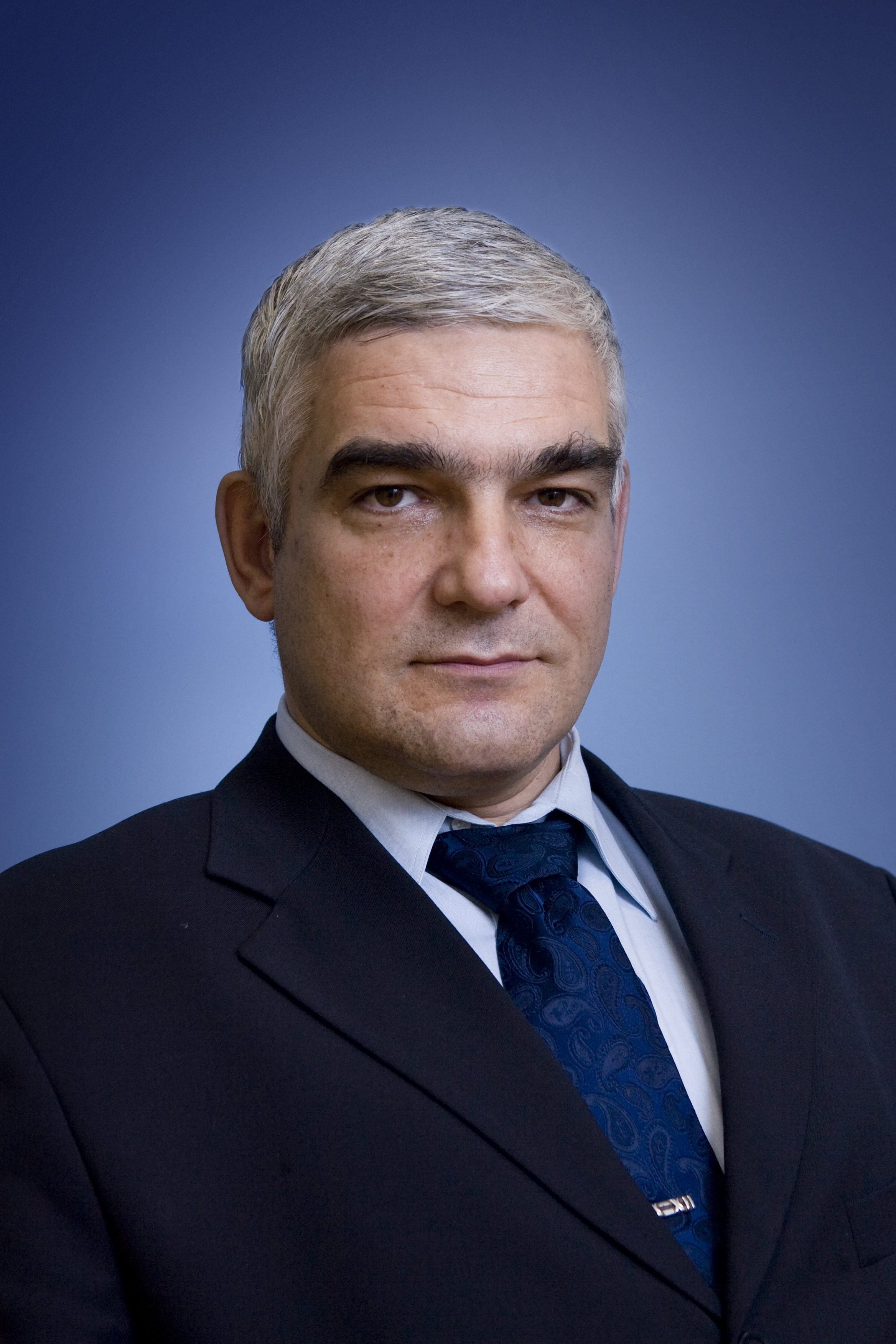
Former Scholar-in-Residence, The East East: Partnership Beyond Borders Program, Moscow Center
Ryabov was chair of the Carnegie Moscow Center’s East East: Partnership Beyond Borders Program. He is also the chief editor of the journal World Economy and International Relations and a leading researcher at the Russian Academy of Sciences’ Institute of World Economy and International Relations.
Recent Work

Dmitri Trenin, Alexey Arbatov, Maria Lipman, …
Andrei Ryabov
Carnegie India does not take institutional positions on public policy issues; the views represented herein are those of the author(s) and do not necessarily reflect the views of Carnegie, its staff, or its trustees.