

In The Media
Petr Topychkanov

Source: Getty
It is unlikely that nuclear weapons proliferation in South Asia will lead to a deliberate outbreak of large-scale war, but a catastrophic conflict could occur even though neither the Indians nor the Pakistanis intend to start a nuclear war.
Source: Carnegie Moscow Center Working Paper

Topychkanov describes the strategic security situation in South Asia as rather unstable. Among the issues are: a high risk of conflict between India and Pakistan caused by cross-border terrorism, accidents with nuclear weapons in both states, the Kashmir dispute, and the problem of sharing water from the Indus river. Major efforts to enhance regional security must be made by India and Pakistan. The author also argues that third countries, international organizations, and nonproliferation regimes can play a positive role as well.
According to Topychkanov, both nuclear optimists and pessimists agree that nuclear weapons proliferation in South Asia will not lead to a deliberate outbreak of large-scale war. Neither Indian nor Pakistani leaders wish to initiate a conflict that could end in a nuclear exchange with disastrous consequences. Still, a catastrophic conflict could occur even though neither the Indians nor the Pakistanis intend to start a nuclear war, and all measures must be taken to prevent it.
The author concludes that India and Pakistan should be engaged in nonproliferation regimes on a nondiscriminatory basis (IAEA, NSG, MTCR, etc.). Engagement would be in the interest of India and Pakistan and would set a good example for the nuclear threshold states. The incentives of nuclear cooperation must be made conditional on acceptance of NPT commitments and IAEA safeguards by recipient states.
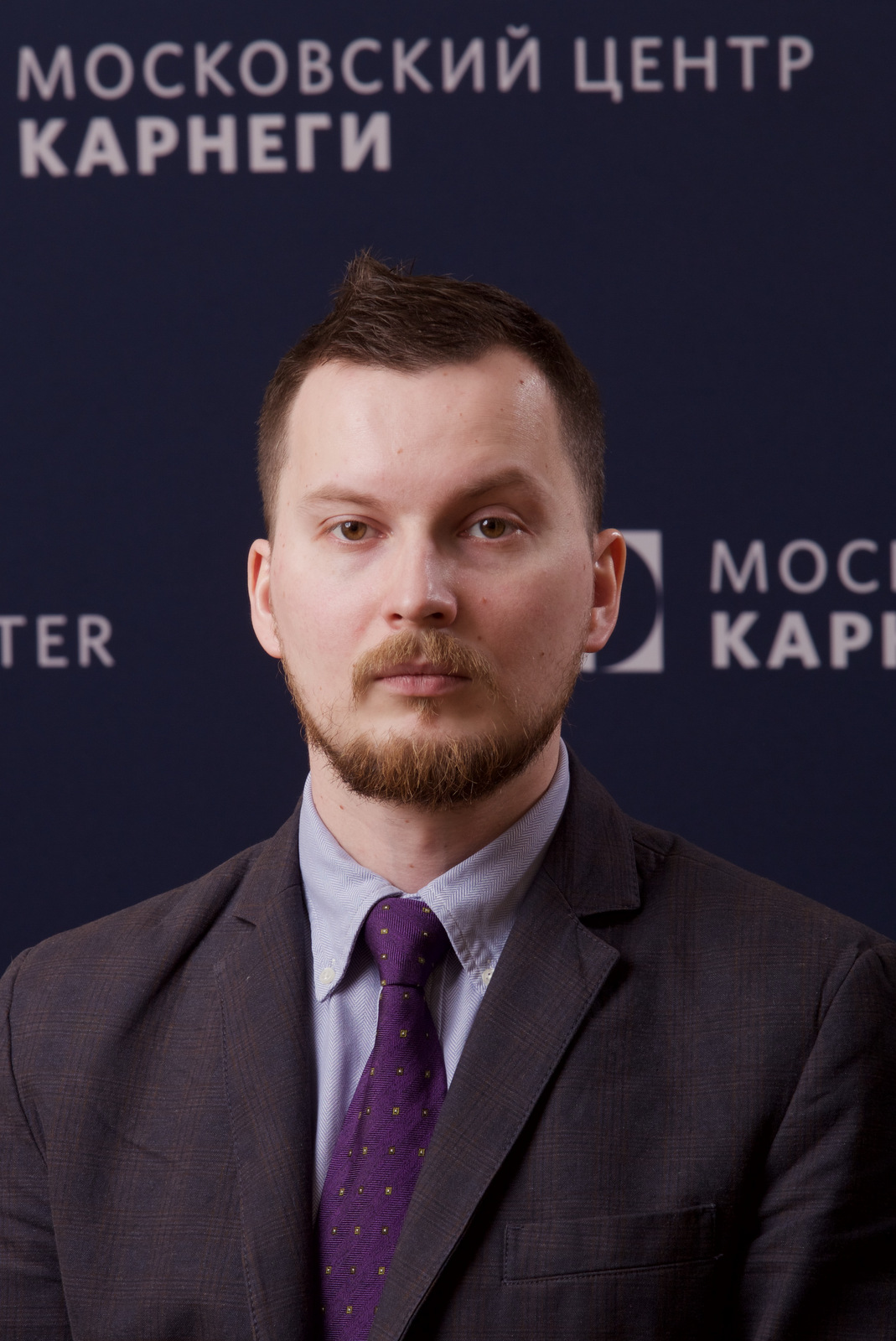
Former Fellow, Nonproliferation Program, Moscow Center
Topychkanov was a fellow in the Carnegie Moscow Center’s Nonproliferation Program.
Recent Work
Petr Topychkanov
Petr Topychkanov
Carnegie India does not take institutional positions on public policy issues; the views represented herein are those of the author(s) and do not necessarily reflect the views of Carnegie, its staff, or its trustees.