

Commentary
The ASML MoU with Tata Electronics is an indicator of how far the Indian semiconductor ecosystem has come. This ecosystem has been years in the making and represents real commercial logic.
Konark Bhandari
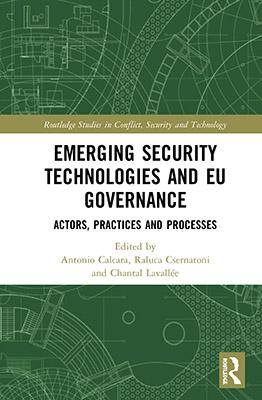
Using the concept of ‘governance’ as an analytical framework, this book investigates how new and emerging security technologies are governed within the European Union, emphasizing relations among different state and non-state actors.
Source: Routledge
The emergence of technologies such as drones, autonomous robotics, artificial intelligence, cyber and biotechnologies has stimulated worldwide debates on their use, risks and benefits in both the civilian and the security-related fields.
This volume examines the concept of ‘governance’ as an analytical framework and tool to investigate how new and emerging security technologies are governed in practice within the European Union (EU), emphasising the relational configurations among different state and non-state actors. With reference to European governance, it addresses the complex interplay of power relations, interests and framings surrounding the development of policies and strategies for the use of new security technologies. The work examines varied conceptual tools to shed light on the way diverse technologies are embedded in EU policy frameworks.
Each contribution identifies actors involved in the governance of a specific technology sector, their multilevel institutional and corporate configurations, and the conflicting forces, values, ethical and legal concerns, as well as security imperatives and economic interests.

Fellow, Carnegie Europe
Raluca Csernatoni is a fellow at Carnegie Europe, where she specializes on European security and defense, as well as emerging disruptive technologies.
Antonio Calcara
Vesalius College
Calcara is Adjunct Professor at the Vesalius College, Belgium, and Postdoctoral Researcher at LUISS Guido Carli, Italy.

Chantal Lavallée
Royal Military College
Chantal Lavallée is an assistant professor at the Royal Military College Saint-Jean in Canada.
Carnegie India does not take institutional positions on public policy issues; the views represented herein are those of the author(s) and do not necessarily reflect the views of Carnegie, its staff, or its trustees.
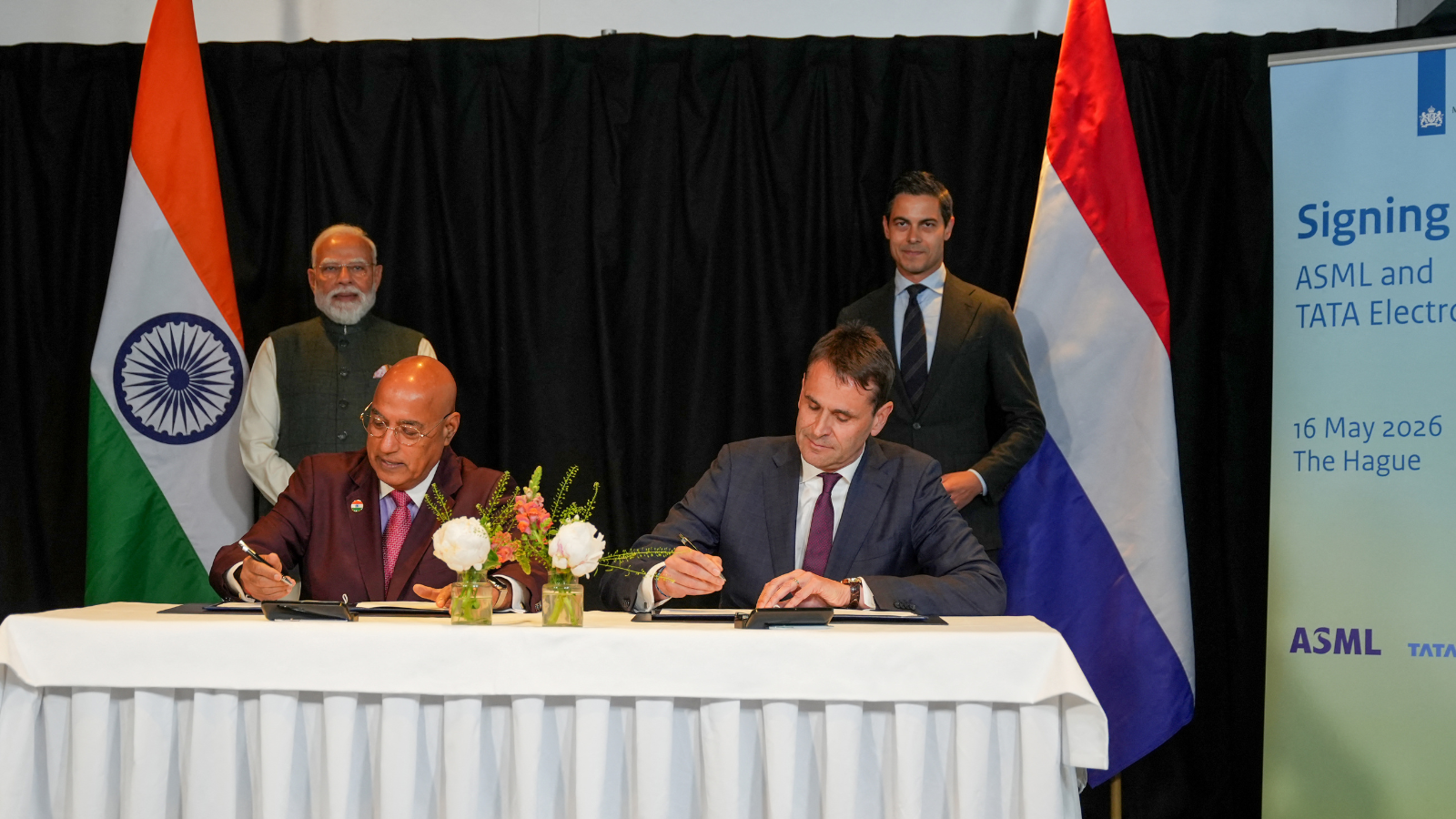
The ASML MoU with Tata Electronics is an indicator of how far the Indian semiconductor ecosystem has come. This ecosystem has been years in the making and represents real commercial logic.

Konark Bhandari
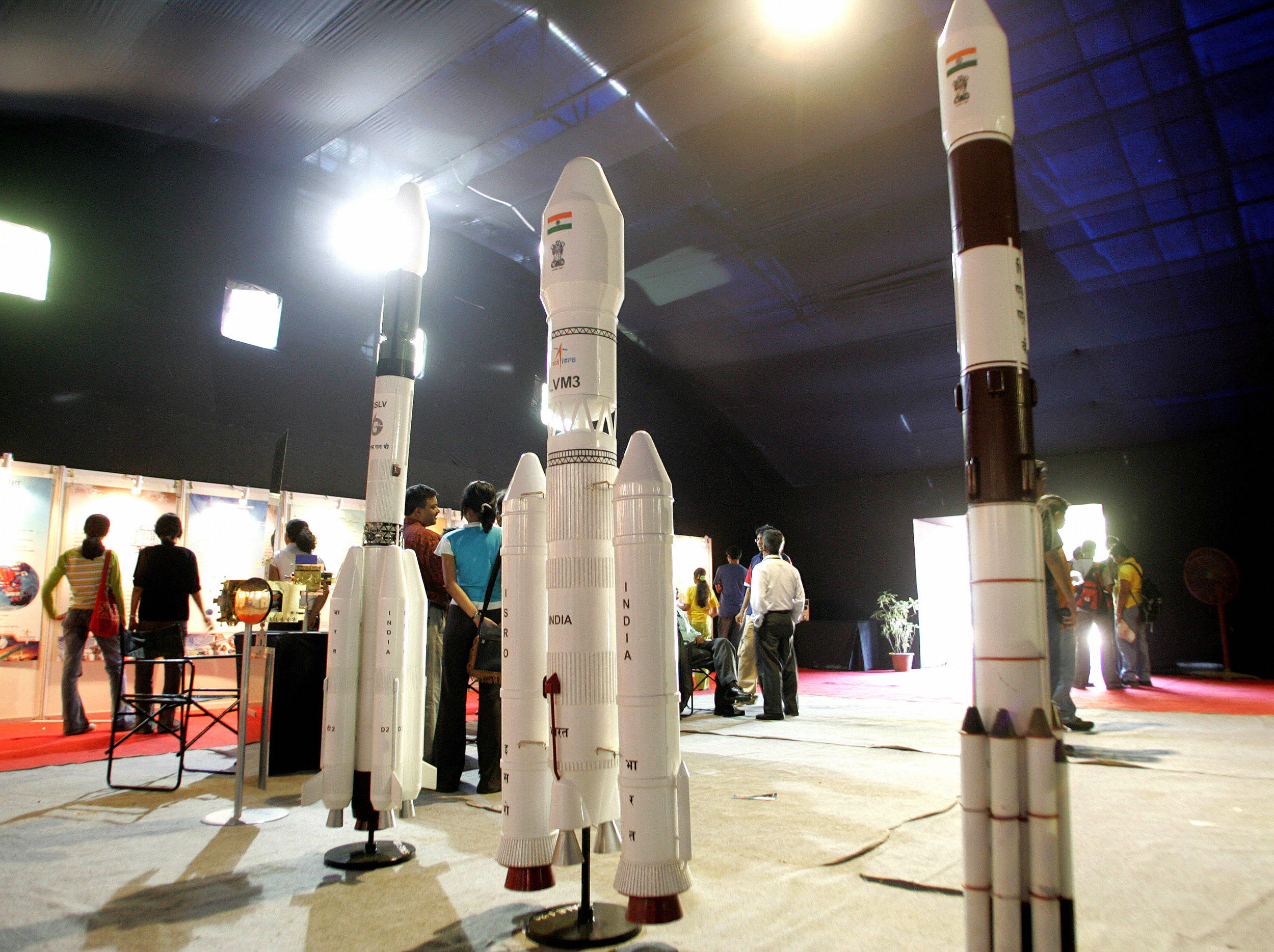
This paper examines the relationship between India’s evolving space policy and the corresponding growth in private space ventures. It analyzes both the enabling factors created by recent regulatory changes and the persistent challenges facing entrepreneurs in this capital-intensive, highly regulated industry.
Harshan Vazhakunnam

The U.S.–India semiconductor cooperation story is well-stocked with top-level strategic intent. What remains unresolved, however, are some underlying challenges that will determine whether the cooperation actually functions. Three such friction points stand out.

Shruti Mittal

The India–EU Free Trade Agreement (FTA) is shaping up to be one of the most consequential trade negotiations, both economically and strategically. But, what’s in the agreement, what’s missing, and what will determine its success in the years ahead

Vrinda Sahai, Nicolas Köhler-Suzuki

Drawing on ten public discussions from the India AI Impact Summit 2026, this article highlights key outlooks on open source in AI that are likely to shape policy and governance conversations going forward.
Shruti Mittal