

Commentary
With monkeypox being declared a global health emergency, the WHO approach is an innovative and effective way to curb outbreaks of zoonotic diseases.
Shruti Sharma

The PCIO has compiled media reporting and publications about influence operations into a public, searchable format, as well as a daily email.
In January 2020, the Partnership for Countering Influence Operations began a daily email compilation of media reporting and publications about influence operations from universities, researchers, think tanks, governments, social media companies, and civil society organizations.
We have now arranged this material into a public, searchable format to help experts and others better understand the evolving discourse about influence operations. The database is not an exhaustive collection of every publication or article published on influence operations, but rather an illustrative sample of stories and research output that we judged to be notable at the time. The archive includes publications from a wide range of sources to convey the breadth of public discussion; inclusion is not necessarily an endorsement of quality.
To compile this data, we searched Media Cloud and LexisNexis for various terms used to describe influence operations. In addition, we used TweetDeck to identify publications being promoted by those active in the counter–influence operations community.1 We manually filtered search results to exclude irrelevant results. Where there was a large volume of reporting about the same incident, we selected articles that reflected the range of discussion.
Unsurprisingly, health-related disinformation, particularly related to the coronavirus, has been a dominant storyline since the early spring of 2020. As the year progressed, disinformation related to the U.S. presidential election became another focal point. There were also many stories relating to the evolving response of social media companies to the challenges of influence operations, as well as many research publications exposing specific influence operations and tactics around the world.
The PCIO Morning Media Brief ended on 29 September 2022. Please see below for the searchable archive of the content shared in these emails between January 2020 and September 2022.
1 For this portion of our research, we followed Twitter accounts associated with the counter-influence operations initiatives identified in previous PCIO research. https://carnegieendowment.org/2020/12/14/mapping-worldwide-initiatives-to-counter-influence-operations-pub-83435
Victoria Smith
Former Nonresident Senior Research Analyst, Technology and International Affairs Program
Victoria Smith was a nonresident senior research analyst at the Partnership for Countering Influence Operations at the Carnegie Endowment for International Peace.
Carnegie India does not take institutional positions on public policy issues; the views represented herein are those of the author(s) and do not necessarily reflect the views of Carnegie, its staff, or its trustees.
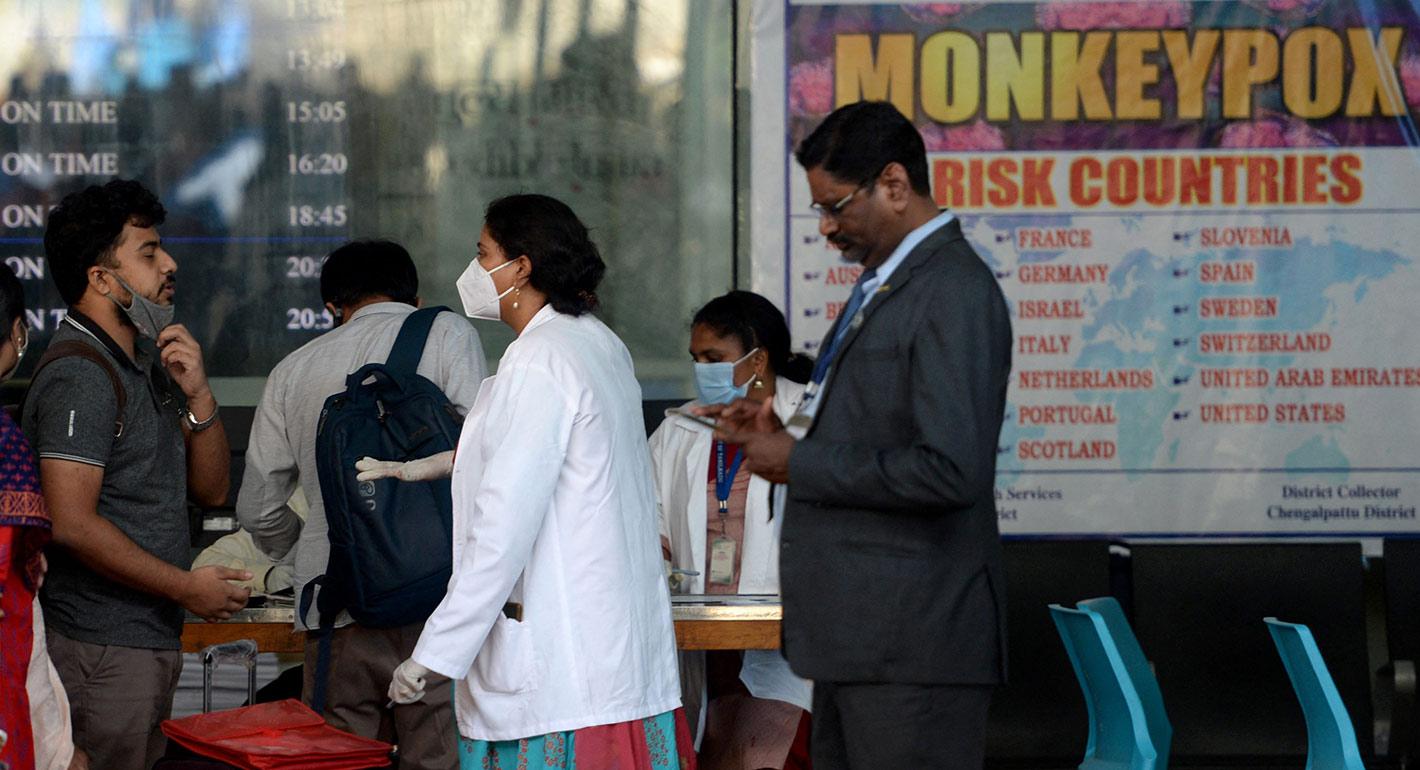
With monkeypox being declared a global health emergency, the WHO approach is an innovative and effective way to curb outbreaks of zoonotic diseases.

Shruti Sharma
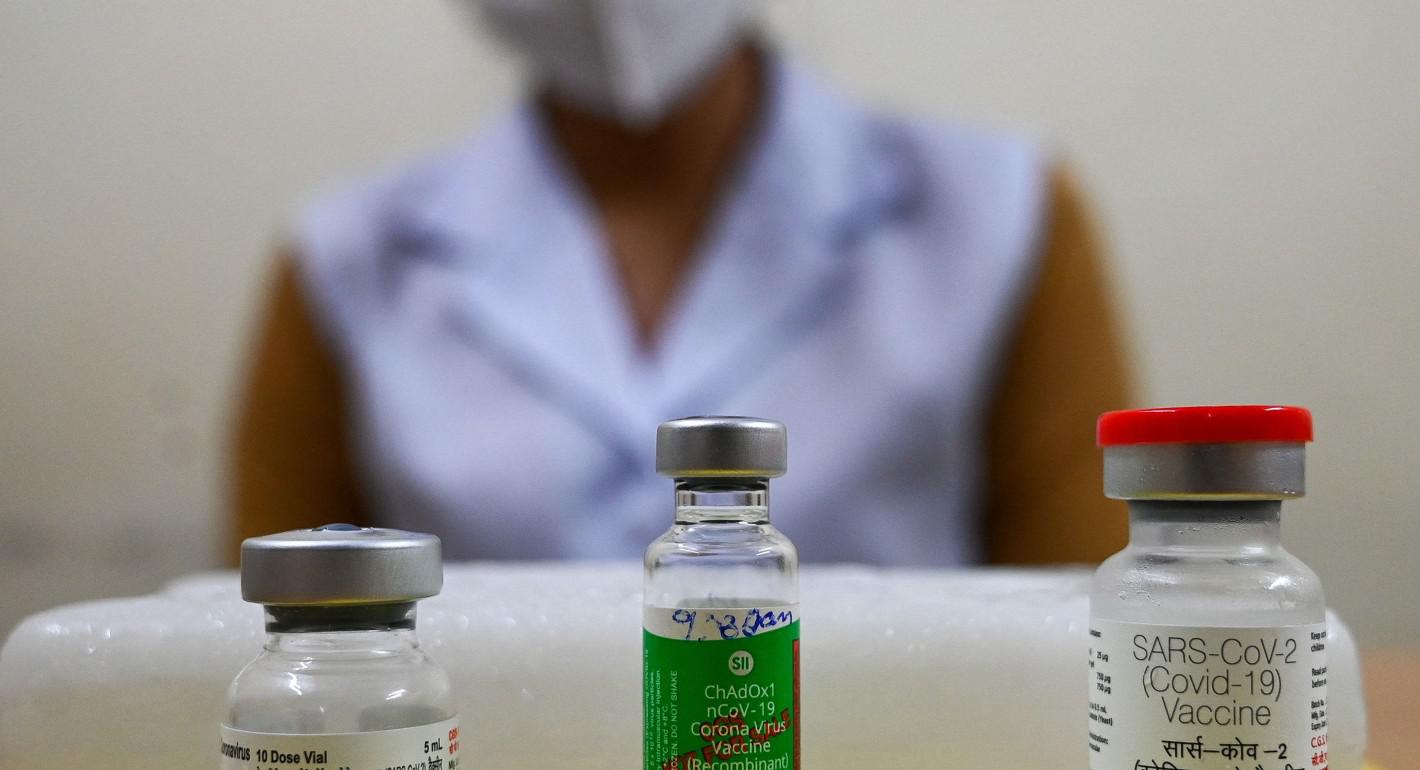
In India, biotechnology has played an important role in helping stakeholders in academia, industry, and government develop new pandemic-related technology, from test kits to respiratory devices. But these biotechnology advancements can go further to strengthen India’s public health capacity.
Shruti Sharma
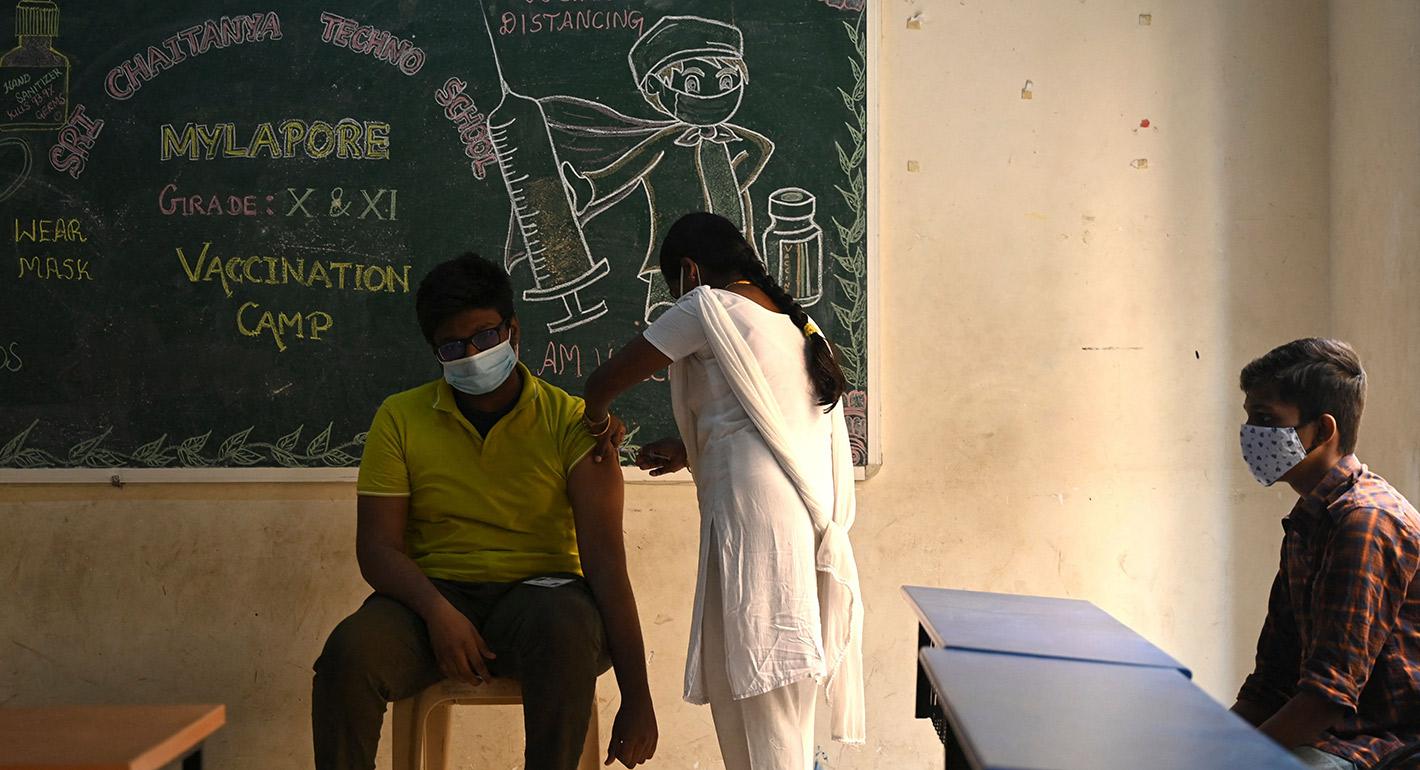
Unless the government can up its communications game, anti-vax movements could prolong India’s pandemic effects.
Shruti Sharma
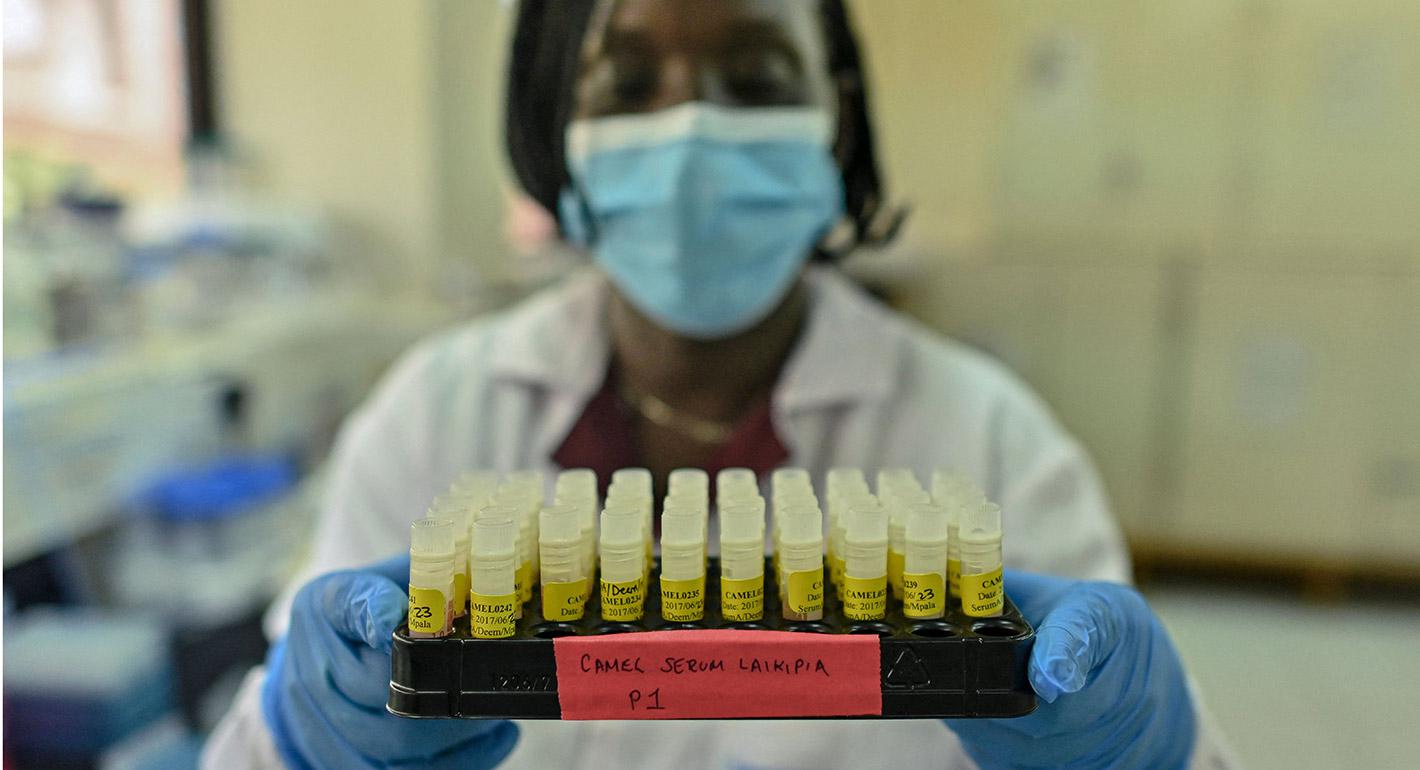
The uncertain origin of the coronavirus has focused attention on gain-of-function research—studying viruses to learn how they spread. How can countries work together to ensure stringent safety standards?
Shruti Sharma

India faces a host of biological risk factors. Drawing lessons from the coronavirus pandemic and prior biological disasters, India’s government should pursue new safety protocols and develop new institutions to manage future biological risk.
Shruti Sharma