

Commentary
The ASML MoU with Tata Electronics is an indicator of how far the Indian semiconductor ecosystem has come. This ecosystem has been years in the making and represents real commercial logic.
Konark Bhandari

While many experts advocate for greater international cooperation on AI safety to address shared global risks, some view cooperation on AI with suspicion, arguing that it can pose unacceptable risks to national security. However, the extent to which cooperation on AI safety poses such risks, as well as provides benefits, depends on the specific area of cooperation.
Ben Bucknall
Saad Siddiqui
Lara Thurnherr
Conor McGurk
Ben Harack
Oxford Martin AI Governance Initiative
Anka Reuel
Patricia Paskov
Casey Mahoney
Casey Mahoney is an associate political scientist at RAND. He conducts policy research on international AI governance and the geopolitics of emerging technology. Mahoney holds a Ph.D. in political science.
Sören Mindermann

Fellow, Technology and International Affairs
Scott Singer is a fellow in the Technology and International Affairs Program at the Carnegie Endowment for International Peace, where he works on global AI development and governance with a focus on China.
Vinay Hiremath
Charbel-Raphaël Segerie
Oscar Delaney
Alessandro Abate
Fazl Barez
Michael K. Cohen
Philip Torr
Ferenc Huszár
Anisoara Calinescu
Gabriel Davis Jones
Yoshua Bengio
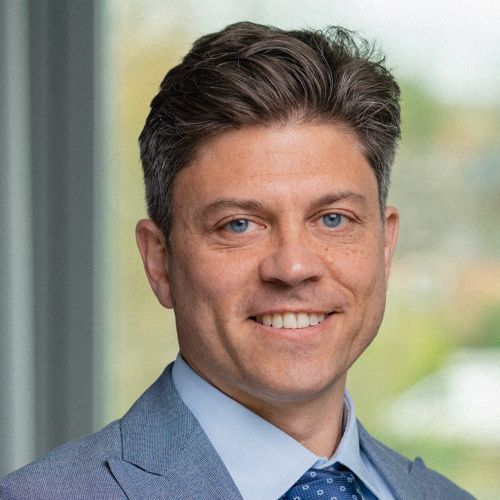
Robert F. Trager
Robert F. Trager is Co-Director of the Oxford Martin AI Governance Initiative, International Governance Lead at the Centre for the Governance of AI, and Senior Research Fellow at the Blavatnik School of Government at the University of Oxford. He is a recognized expert in the international governance of emerging technologies and regularly advises government and industry leaders on these topics.
Carnegie India does not take institutional positions on public policy issues; the views represented herein are those of the author(s) and do not necessarily reflect the views of Carnegie, its staff, or its trustees.
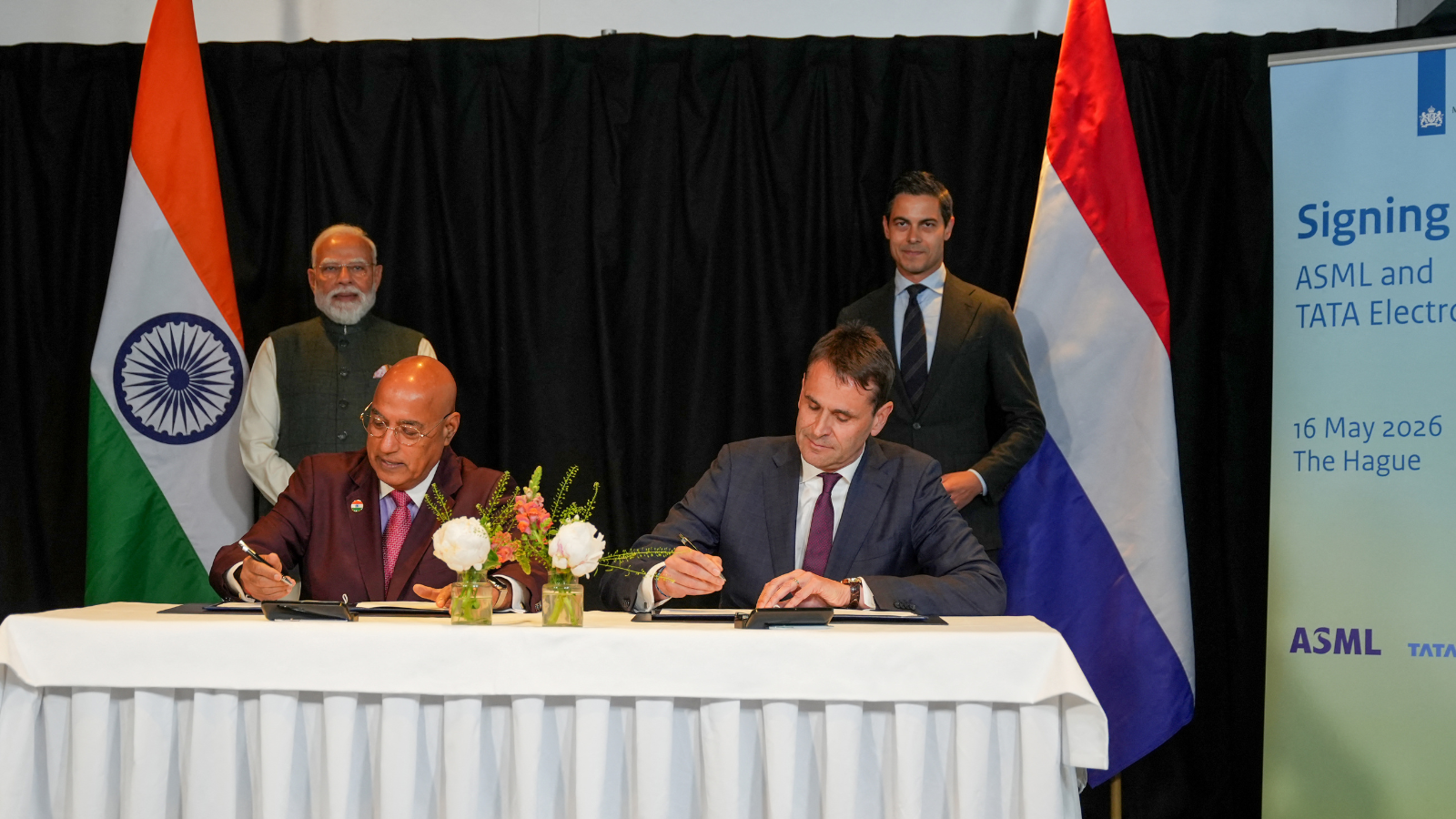
The ASML MoU with Tata Electronics is an indicator of how far the Indian semiconductor ecosystem has come. This ecosystem has been years in the making and represents real commercial logic.

Konark Bhandari
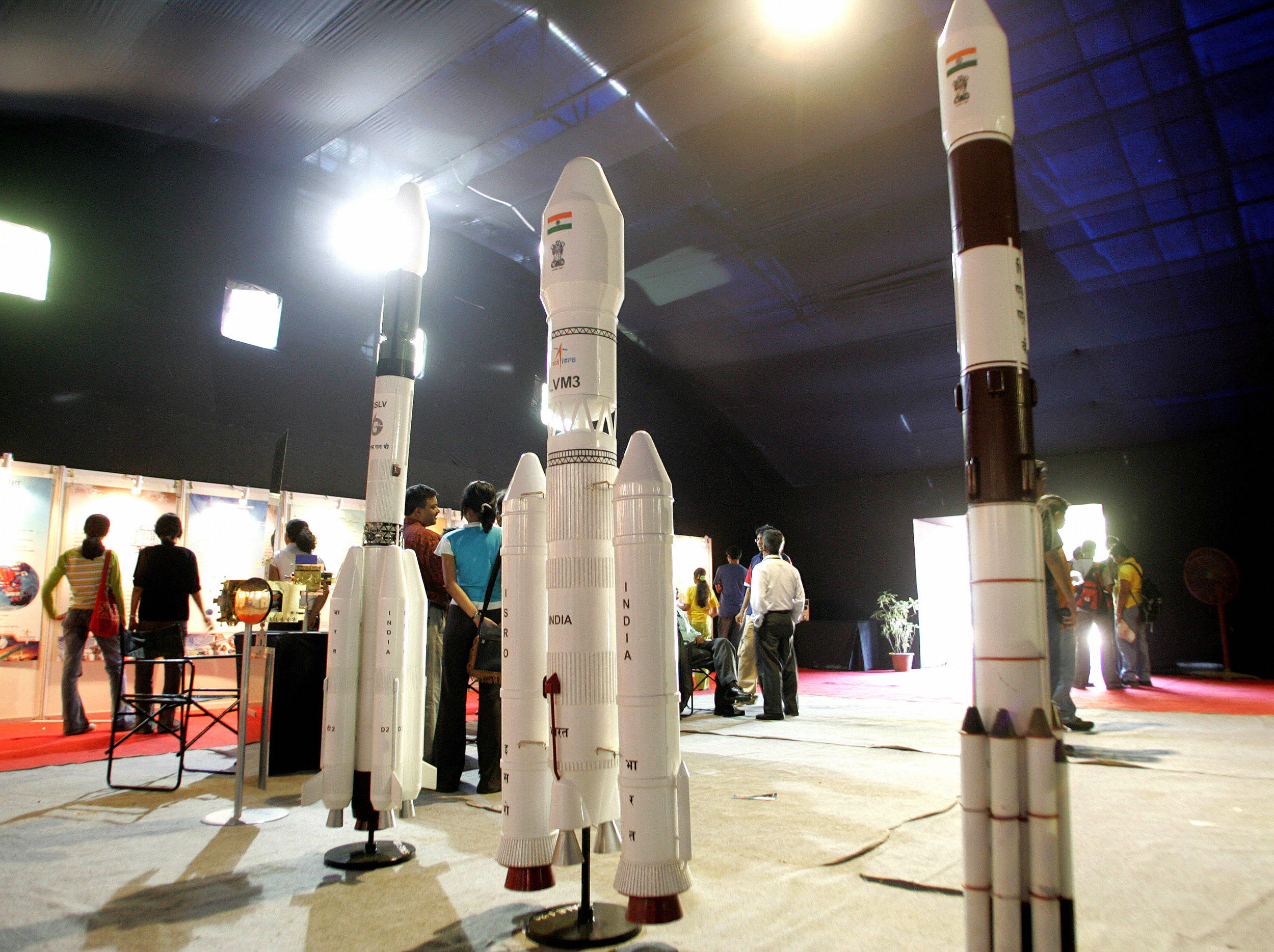
This paper examines the relationship between India’s evolving space policy and the corresponding growth in private space ventures. It analyzes both the enabling factors created by recent regulatory changes and the persistent challenges facing entrepreneurs in this capital-intensive, highly regulated industry.
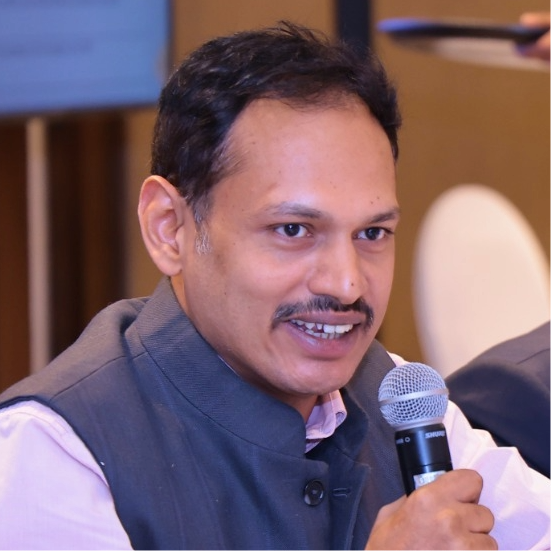
Harshan Vazhakunnam

The U.S.–India semiconductor cooperation story is well-stocked with top-level strategic intent. What remains unresolved, however, are some underlying challenges that will determine whether the cooperation actually functions. Three such friction points stand out.

Shruti Mittal

Drawing on ten public discussions from the India AI Impact Summit 2026, this article highlights key outlooks on open source in AI that are likely to shape policy and governance conversations going forward.
Shruti Mittal
This collection of essays by scholars from Carnegie India’s Technology and Society program traces the evolution of the AI summit series and examines India’s framing around the three sutras of people, planet, and progress. Scholars have catalogued and assessed the concrete deliverables that emerged and assessed what the precedent of a Global South country hosting means for the future of the multilateral conversation.


Nidhi Singh, Tejas Bharadwaj, Shruti Mittal, …