

Commentary
Michael Young
{
  "authors": [
    "Michael Young"
  ],
  "type": "commentary",
  "blog": "Diwan",
  "centerAffiliationAll": "dc",
  "centers": [
    "Carnegie Endowment for International Peace",
    "Malcolm H. Kerr Carnegie Middle East Center"
  ],
  "collections": [
    "Three Question Time"
  ],
  "englishNewsletterAll": "menaTransitions",
  "nonEnglishNewsletterAll": "",
  "primaryCenter": "Malcolm H. Kerr Carnegie Middle East Center",
  "programAffiliation": "MEP",
  "programs": [
    "Middle East"
  ],
  "projects": [],
  "regions": [
    "Gulf",
    "Saudi Arabia",
    "Middle East"
  ],
  "topics": [
    "Political Reform"
  ]
}
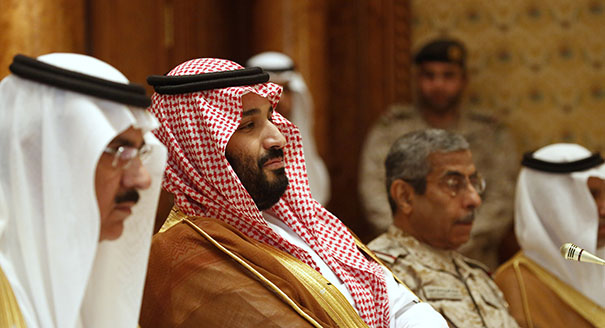
Source: Getty
Joseph Bahout analyzes Mohammed bin Salman’s appointment as crown prince of Saudi Arabia.
Joseph Bahout is a visiting scholar in Carnegie’s Middle East program. In May he wrote a perceptive article for Diwan in which he discussed how a series of royal decrees issued at the time by King Salman appeared to pave the way for the rise of his son Mohammed bin Salman to the position of crown prince. On June 21, that is precisely what happened, when the king removed the previous crown prince, Mohammed bin Nayef, and named Mohammed bin Salman in his place.
While Mohammed bin Nayef’s removal must have been bitterly disappointing, the royal family put up a unified front, with the ousted prince pledging allegiance to his up-and-coming relative. Mohammed bin Salman’s elevation came in the midst of a flurry of other princely appointments, very likely to help the new crown prince consolidate his authority and maintain balance between the different branches of the royal family. To discuss all these issues, Diwan interviewed Bahout in Washington, D.C. on June 21.

Editor, Diwan, Senior Editor, Malcolm H. Kerr Carnegie Middle East Center
Michael Young is the editor of Diwan and a senior editor at the Malcolm H. Kerr Carnegie Middle East Center.
Recent Work
Michael Young
Michael Young
Carnegie does not take institutional positions on public policy issues; the views represented herein are those of the author(s) and do not necessarily reflect the views of Carnegie, its staff, or its trustees.
In an interview, Roger Diwan discusses where the global economy may be going in the third week of the U.S.-Israeli war with Iran.
Nur Arafeh
In an interview, Andrew Leber discusses the impact the U.S. and Israeli war against Iran is having on Arab Gulf states.
Michael Young
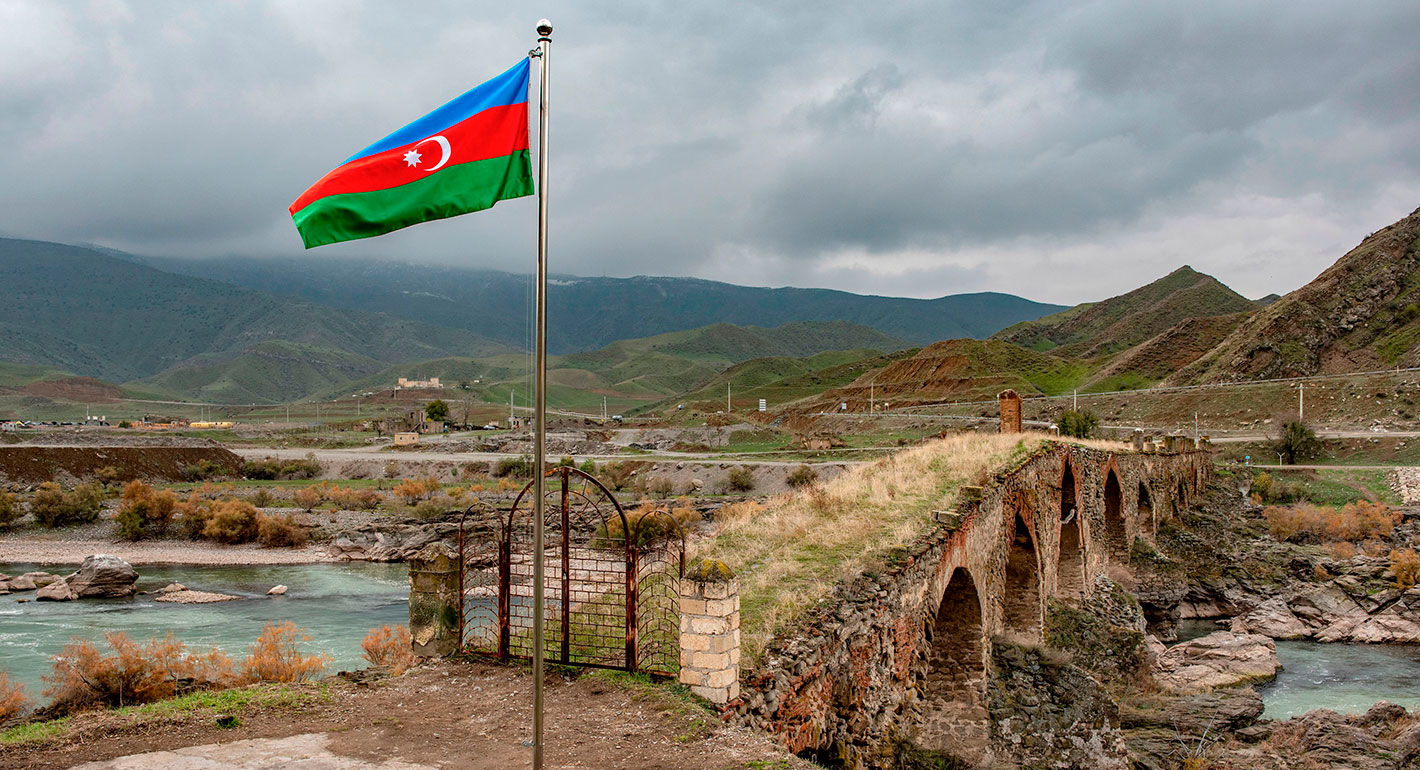
In an interview, Sergei Melkonian discusses Armenia’s and Azerbaijan’s careful balancing act among the United States, Israel, and Iran.

Armenak Tokmajyan
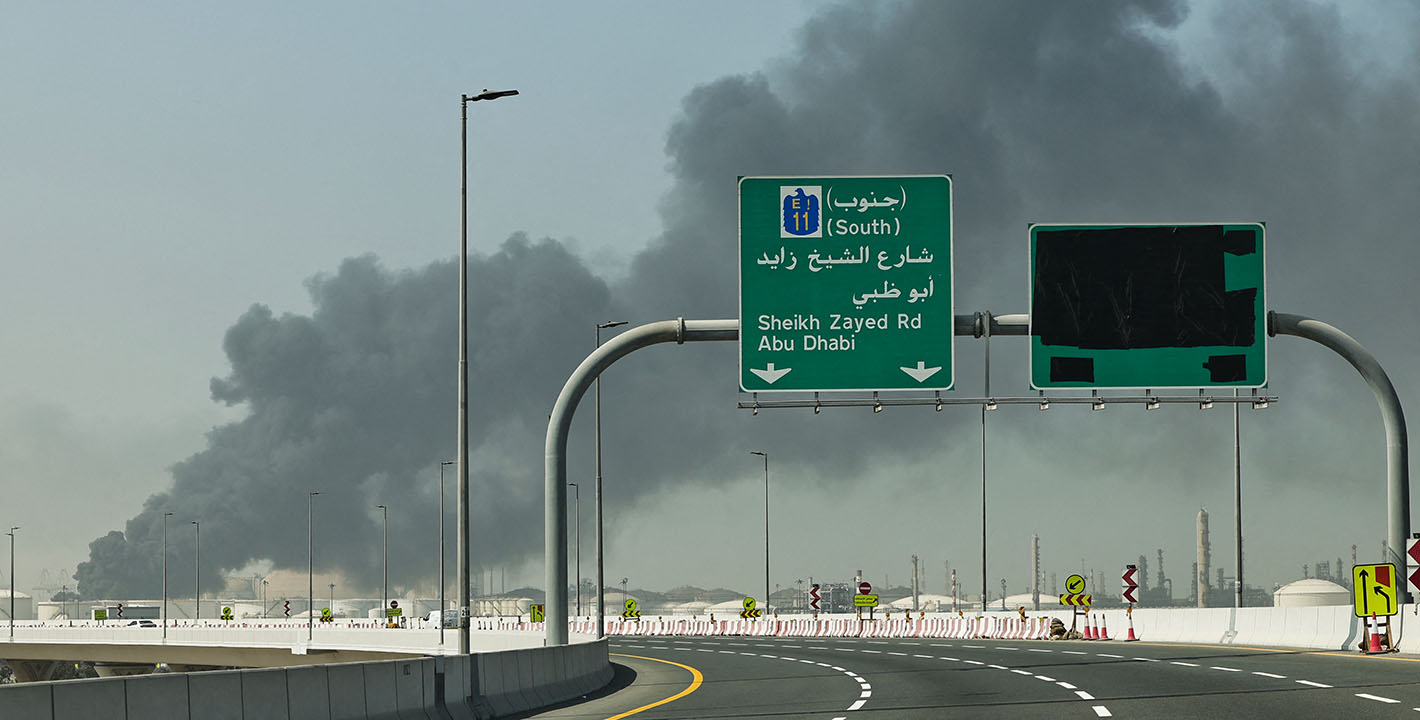
The countries in the region are managing the fallout from Iranian strikes in a paradoxical way.

Angie Omar

In an interview, Hassan Mneimneh discusses the ongoing conflict and the myriad miscalculations characterizing it.
Michael Young