

Commentary
As the U.S.-led Coalition withdraws, the Kurds’ reliance on Baghdad, and on themselves, will only increase.
Wladimir van Wilgenburg
{
  "authors": [
    "Ghida Tayara"
  ],
  "type": "commentary",
  "blog": "Diwan",
  "centerAffiliationAll": "dc",
  "centers": [
    "Carnegie Endowment for International Peace",
    "Malcolm H. Kerr Carnegie Middle East Center"
  ],
  "collections": [
    "Three Question Time",
    "Political Islam"
  ],
  "englishNewsletterAll": "menaTransitions",
  "nonEnglishNewsletterAll": "",
  "primaryCenter": "Malcolm H. Kerr Carnegie Middle East Center",
  "programAffiliation": "MEP",
  "programs": [
    "Middle East"
  ],
  "projects": [],
  "regions": [
    "Levant",
    "Syria",
    "Middle East"
  ],
  "topics": [
    "Political Reform"
  ]
}
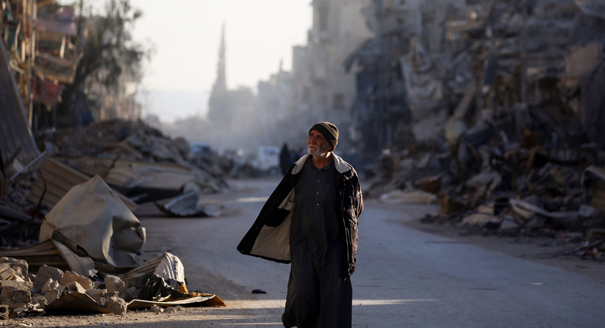
Source: Getty
Steven Heydemann discusses postwar reconstruction in Syria, and how it might affect the future of the Assad regime.
Steven Heydemann is the Janet Wright Ketcham 1953 professor in Middle East Studies at Smith College in Northampton, Massachusetts, and a nonresident senior fellow in the Center for Middle East Policy of the Brookings Institution. From 2011 to 2015 Heydemann directed the Syria program at the United States Institute for Peace, and during that time he participated in the preparation of a report titled “The Day After: Supporting a Democratic Transition in Syria,” which was widely used by activists, non-governmental organizations, and governments during the early phases of the Syrian conflict, and was endorsed by numerous Syrian opposition groups as well as the European Parliament. Diwan caught up with Heydemann in early February, during his visit to Beirut to participate in a Carnegie roundtable on post-conflict reconstruction, to get his views about an eventual reconstruction process in Syria.
Ghida Tayara
Senior Digital and Web Coordinator
Carnegie does not take institutional positions on public policy issues; the views represented herein are those of the author(s) and do not necessarily reflect the views of Carnegie, its staff, or its trustees.
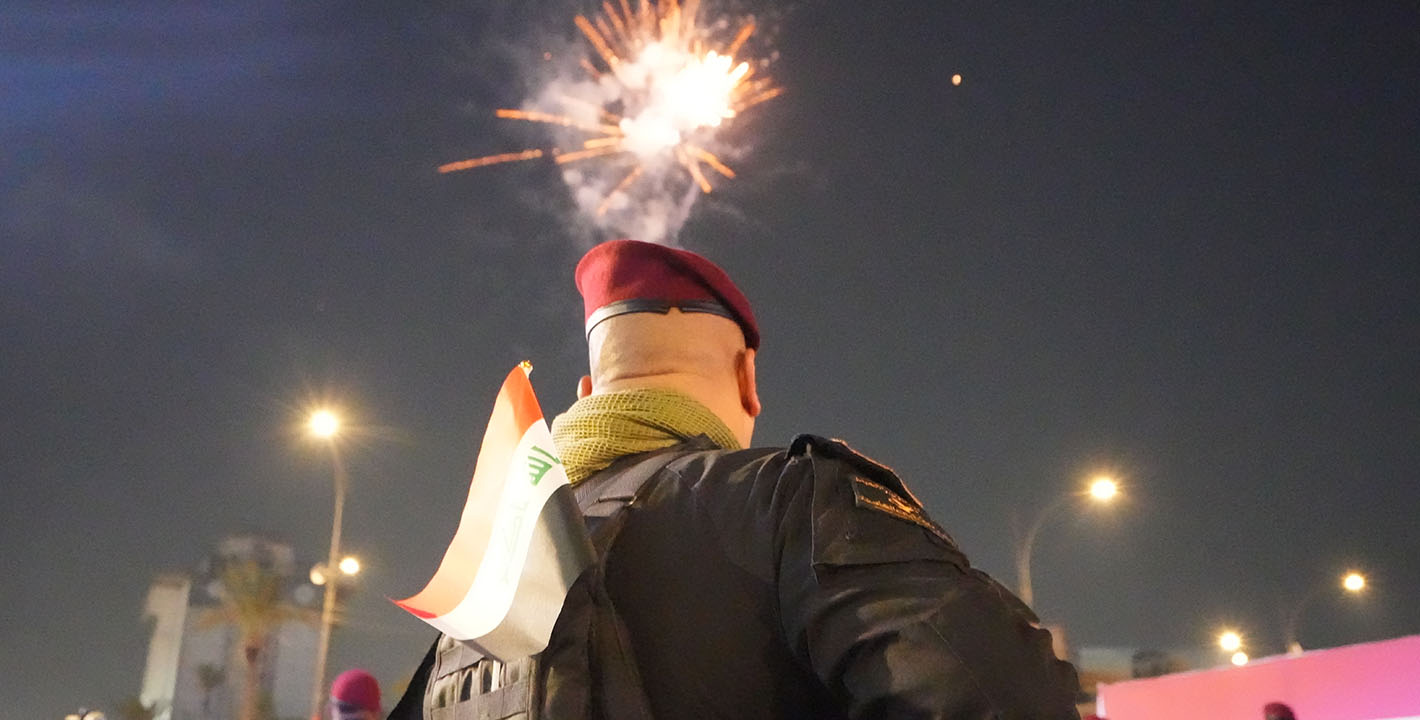
As the U.S.-led Coalition withdraws, the Kurds’ reliance on Baghdad, and on themselves, will only increase.
Wladimir van Wilgenburg

As the U.S. stumbles in its war with Iran, we are likely to see an acceleration of its disengagement from the region.

Michael Young
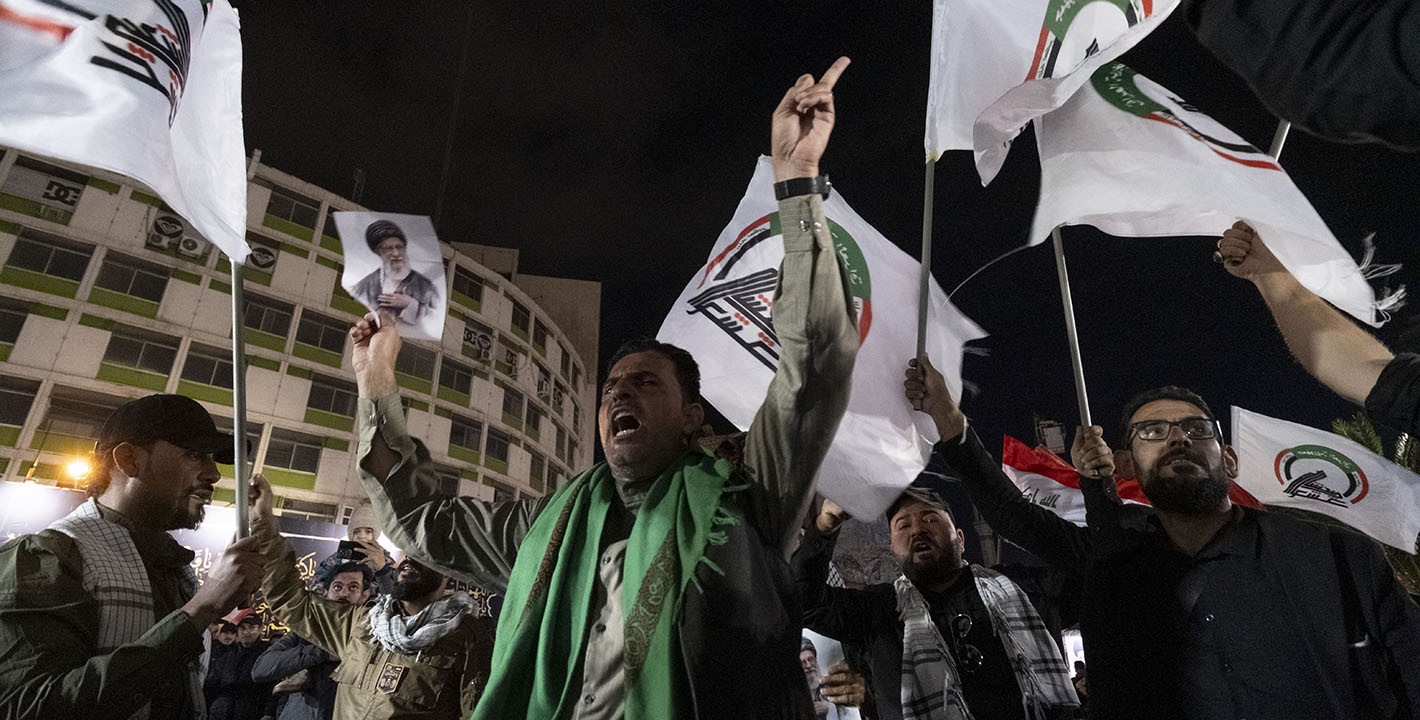
The Zaidi government’s objective to collect weapons is constrained by regional conflict, but it can take certain measures at home.
Ali Al-Mawlawi

The accord represents a pivotal moment in the region to avert a security vacuum in the Gulf.


Azeema Cheema, Mohanad Hage Ali

In an interview, Jason Burke discusses his sweeping account of the “revolutionists” who so shaped the 1970s and early 1980s.
Michael Young