

Commentary
Michael Young
{
  "authors": [
    "Michael Young"
  ],
  "type": "commentary",
  "blog": "Diwan",
  "centerAffiliationAll": "dc",
  "centers": [
    "Carnegie Endowment for International Peace",
    "Malcolm H. Kerr Carnegie Middle East Center"
  ],
  "collections": [
    "Inquiring Minds"
  ],
  "englishNewsletterAll": "menaTransitions",
  "nonEnglishNewsletterAll": "",
  "primaryCenter": "Malcolm H. Kerr Carnegie Middle East Center",
  "programAffiliation": "MEP",
  "programs": [
    "Middle East"
  ],
  "projects": [],
  "regions": [
    "Levant",
    "Syria",
    "Middle East"
  ],
  "topics": [
    "Political Reform",
    "Security"
  ]
}
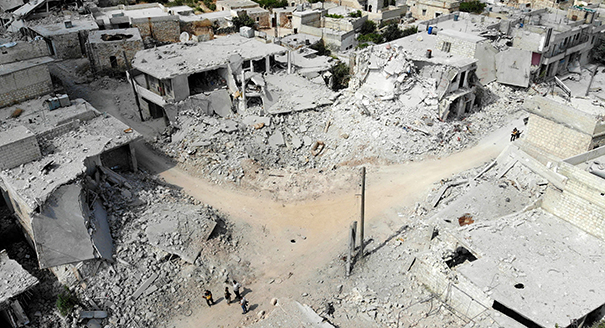
Source: Getty
A regular survey of experts on matters relating to Middle Eastern and North African politics and security.
Sara Kayyali | Syria researcher in the Middle East and North Africa division of Human Rights Watch
The situation in Idlib, the last area in Syria under the control of groups opposed to the Syrian government, is untenable. The government has clearly stated its intent to retake Idlib at all costs. But it won’t be able to do so without the support of its key ally, Russia. While Russia has called into question the need for a major military offensive in Idlib, this has not prevented it, along with government forces, from bombing protected infrastructure and using prohibited weapons, including cluster munitions, a clear signal of their disregard for civilian lives.
Hay’at Tahrir al-Sham, the main anti-government actor in Idlib, has also tightened its hold on civilians—arbitrarily arresting and mistreating scores of people to stamp out dissent. The parties’ entrenched position is made more dangerous by Turkey’s closure of its border, preventing civilians from fleeing the violence amid a burgeoning humanitarian disaster, as the United Nations has described the situation.
What is clear is that Russia and Turkey hold key roles in determining the fate of Idlib. So long as Russia underwrites the government’s abuses and Turkey maintains a closed border to those fleeing the conflict, we can expect the 3 million civilians trapped in Idlib to pay the ultimate price.
Emma Beals | Independent Syria researcher, writer, and policy analyst for organizations including the European Institute of Peace and the Atlantic Council, editor of Syria in Context.
The ongoing offensive in Idlib is likely to continue. As a result, humanitarian conditions will deteriorate further. Recent violence has caused further displacement, with some in Idlib having now moved 5–10 times during the conflict. Humanitarian organizations are struggling to keep up. The presence of Hay’at Tahrir al-Sham, an armed faction regarded as a terrorist organization by some states, and a surge in attacks against humanitarian structures are impacting the ability of the already-strained sector to respond to the growing crisis.
Many recent hospital attacks in Idlib have targeted deconflicted sites. Worryingly, there has been little accountability, which doesn't bode well. Attacks on deconflicted humanitarian structures is a war crime and marks a clear red-line, but the response has amounted to just a few concerned comments.
Turkey has yet to reach the limit of its patience. To date, Ankara has expressed its concerns through Russia and the Astana process. As the offensive continues, however, it may feel that the military activity in Idlib threatens Turkish interests and may seek NATO support or threaten European Union borders with an influx of refugees. These are most likely actions that would draw a response that is more robust than the current expressions of concern from Western governments as Idlib continues to be attacked.
Ziad Majed | Associate professor at the American University of Paris, author, with Farouk Mardam-Bey and Subhi Hadidi, of Dans La Tête de Bachar Al-Assad (Solin/Actes Sud, 2018)
The military campaign that the Assad regime and Russia have directed against Idlib in recent months has shown the limits of their military capacities, mainly because, first, the pro-Iran Lebanese, Iraqi, and Afghan militias, as well as Iranian special forces, are not engaged on their side in the battles on the ground; and, second, because the border with Turkey is not closed, so that opposition forces continue to receive munitions and logistical support during operations.
In that sense, Syrian President Bashar al-Assad’s and Russian forces have only managed to progress slowly in the zone between Hama and Idlib Governorates. They have, however, destroyed a large part of Idlib’s health infrastructure (including locations the United Nations had identified to the Russians in order to protect them), targeted schools, killed hundreds of civilians, and displaced hundreds of thousands of people, pushing them toward the Turkish borders.
What might happen next depends very much on Russian-Turkish and Iranian-Russian talks. For the first, as long as Moscow and Ankara do not agree over how to manage northwest Syria, the current military campaign will only lead to more civilian casualties and displacement, with minor changes in Idlib’s south. For the second, if pro-Iran forces are not called upon to contribute to the military efforts, it is difficult to imagine a radical change in the current situation. That is not very probable for the time being, with Russia eager not to alienate the United States or end any possible long-term agreement with Turkey.
If all this is true, then what we can expect for the coming period in Idlib is more air attacks, more crimes against civilians, and more technical talks (between Moscow and Ankara) to reach new understandings related mainly to zones close to the Russian Hmeimim base and to the road connecting the coast to Aleppo.
Mohanad Hage Ali | Communications director and fellow at the Carnegie Middle East Center in Beirut, author of Nationalism, Transnationalism, and Political Islam: Hizbullah’s Institutional Identity (Palgrave Macmillan, 2017)
An all-out assault on Idlib is not realistic, as such a conflict would result in a wave of refugees heading toward Turkey. Such an outcome would be detrimental to Turkish President Recep Tayyip Erdoğan and his Justice and Development Party. The Syrian regime, backed by Russia, might continue its bombing campaign to pressure Ankara, but Turkey is capable of responding by better arming its rebel allies and fortifying its positions in the region.
A second reason why such an assault is questionable is the existence of Iranian-Russian tensions across Syria. Iranian participation is unlikely until there is an understanding between Tehran and Moscow on the future of Iran’s role in a post-conflict Syria. Without Iranian foot soldiers, such an assault probably won’t happen.
Finally, what happens in Syria’s east, which is now dominated by the Kurdish-led, U.S.-backed Syrian Democratic Forces, is also central to any major development in the northwest. In previous instances, Russia and Turkey swapped territory in Idlib and Afrin, respectively, allowing each side to pursue its agenda in the territory it took over. That is why a U.S. withdrawal from the east might undo the current status quo in northern Syria.

Editor, Diwan, Senior Editor, Malcolm H. Kerr Carnegie Middle East Center
Michael Young is the editor of Diwan and a senior editor at the Malcolm H. Kerr Carnegie Middle East Center.
Recent Work
Michael Young
Michael Young
Carnegie does not take institutional positions on public policy issues; the views represented herein are those of the author(s) and do not necessarily reflect the views of Carnegie, its staff, or its trustees.
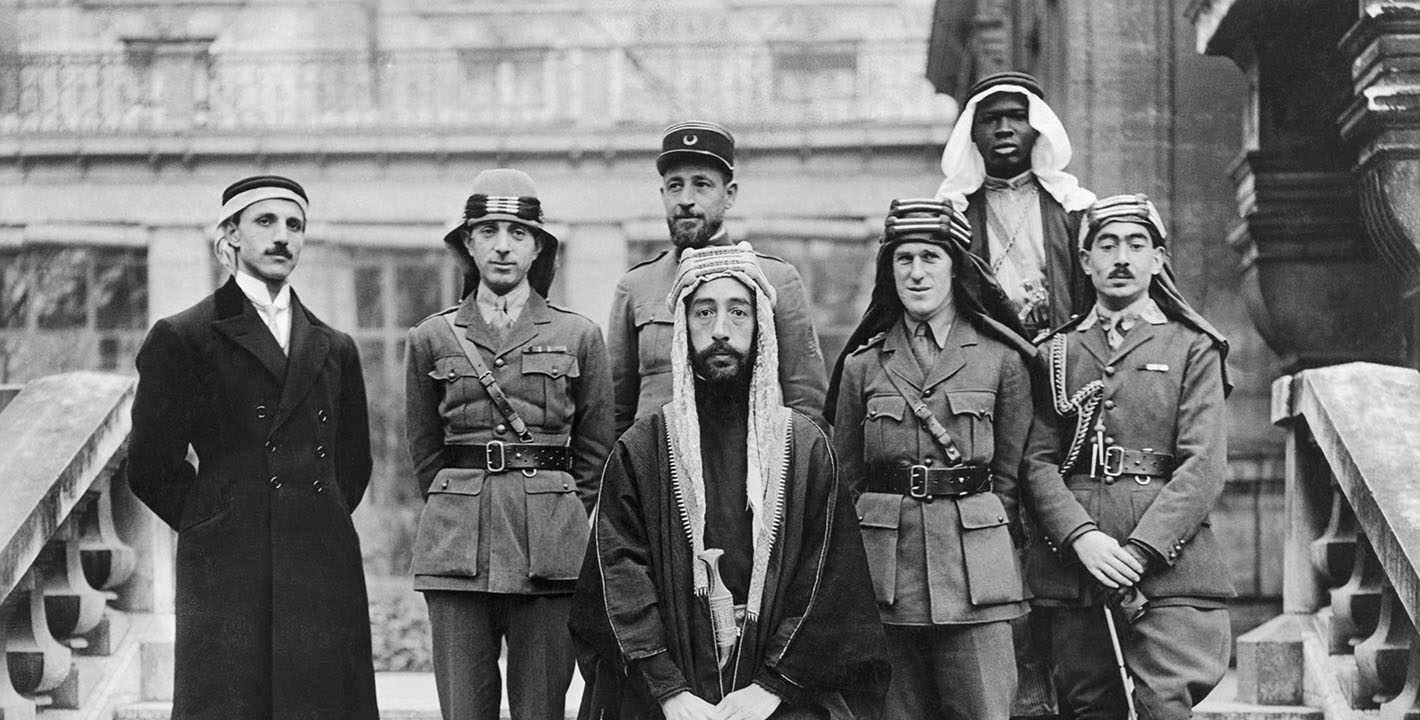
In an interview, Elizabeth Thompson recalls how the country formulated a liberal constitution in 1920, before being denied by France and Britain.
Michael Young
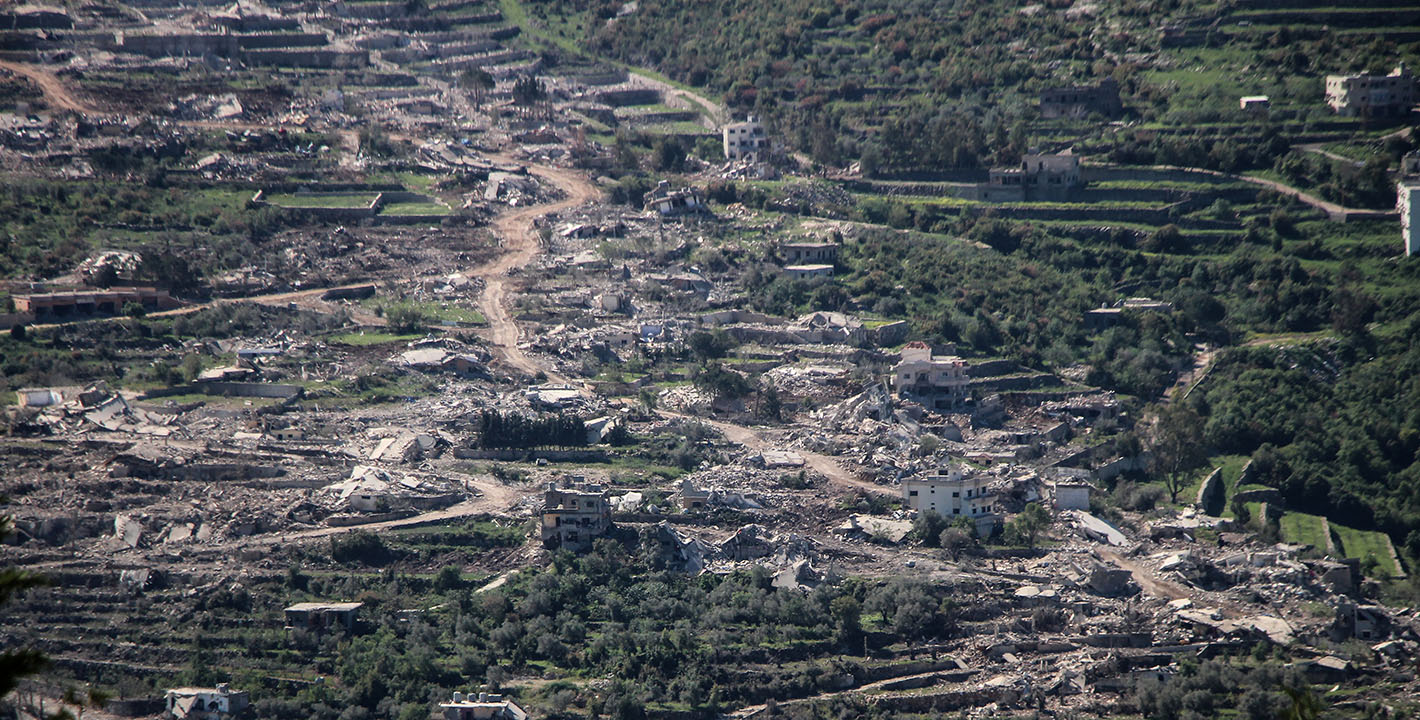
As negotiations with Iran and Lebanon continue, chaos is at the heart of the Netanyahu government’s calculations.
Michael Young
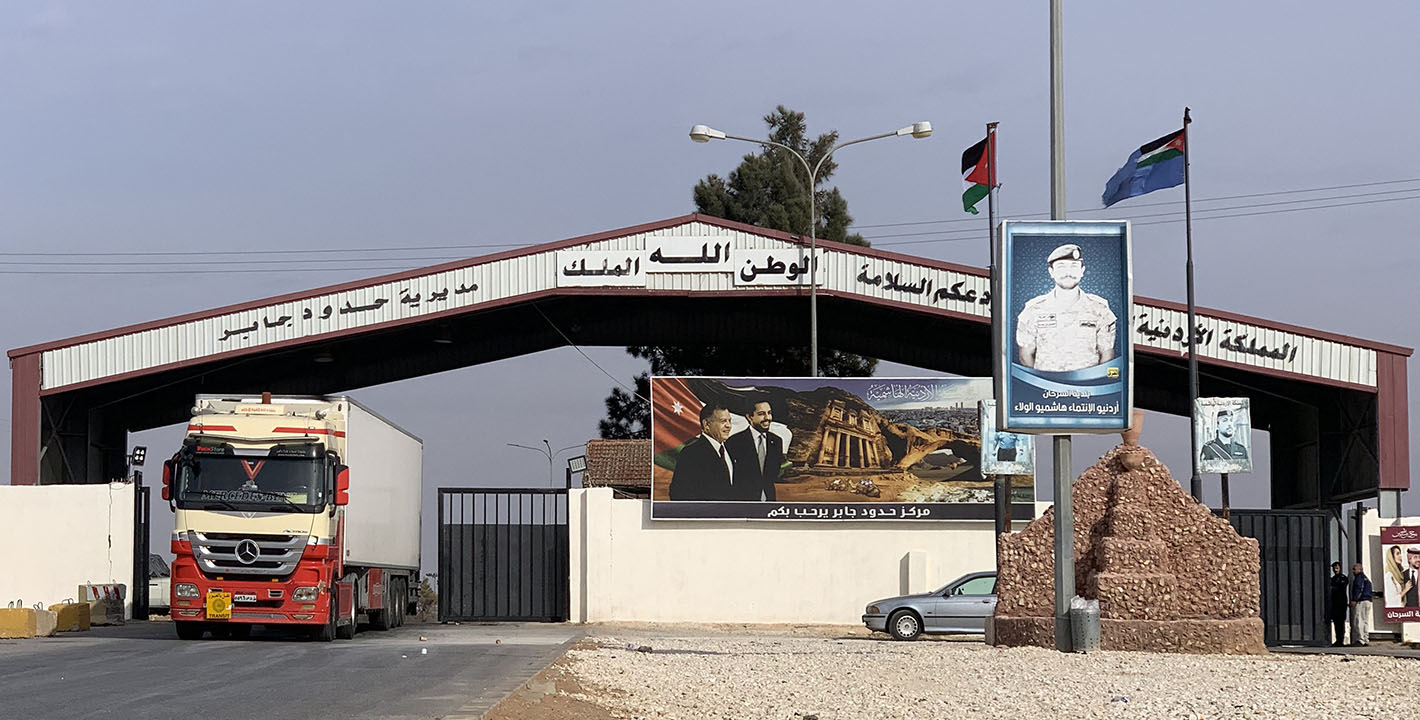
Trade statistics show why Amman has more reason than Damascus to welcome the improvement in bilateral commerce.

Armenak Tokmajyan
Israel is encroaching on the country’s territory, while the Lebanese look askance at one another.

Issam Kayssi
The party’s domestic and regional roles have changed, so Lebanon should devise a disarmament strategy that encompasses this.
Michael Young