

Article
Mohanad Hage Ali
{
  "authors": [
    "Mohanad Hage Ali"
  ],
  "type": "commentary",
  "blog": "Diwan",
  "centerAffiliationAll": "dc",
  "centers": [
    "Carnegie Endowment for International Peace",
    "Malcolm H. Kerr Carnegie Middle East Center"
  ],
  "collections": [
    "Three Question Time"
  ],
  "englishNewsletterAll": "menaTransitions",
  "nonEnglishNewsletterAll": "",
  "primaryCenter": "Malcolm H. Kerr Carnegie Middle East Center",
  "programAffiliation": "MEP",
  "programs": [
    "Middle East"
  ],
  "projects": [],
  "regions": [
    "Gulf",
    "Yemen",
    "Middle East"
  ],
  "topics": [
    "Political Reform"
  ]
}
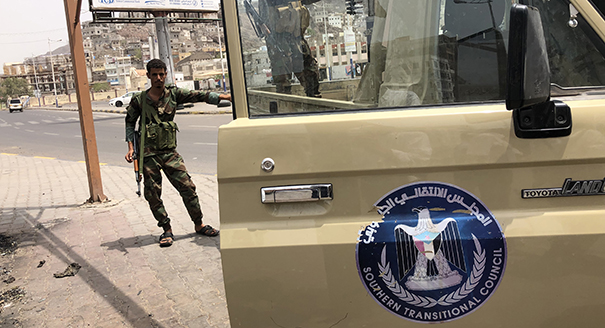
Source: Getty
In an interview, Mustapha Noman discusses the situation in Yemen as the country faces new complications.
Mustapha Noman is a former Yemeni diplomat who served under the late Yemeni president ‘Ali ‘Abdullah Saleh as an ambassador in several countries and as deputy foreign minister. He was also involved in negotiations between Yemen and Saudi Arabia over their common border. His articles have been published in Saudi newspapers such as ‘Okaz and Al-Sharq al-Awsat, as well as in the Qatari daily Al-Raya. Noman recently spoke at a Carnegie event on Yemen and Diwan interviewed him on the ongoing situation in the county, particularly in light of the recent takeover of Aden by southern separatist forces opposed to the government of President ‘Abed Rabbo Mansour Hadi, who is backed by Saudi Arabia.

Deputy Director for Research, Malcolm H. Kerr Carnegie Middle East Center
Mohanad Hage Ali is the deputy director for research at the Malcolm H. Kerr Carnegie Middle East Center.
Recent Work
Mohanad Hage Ali
Mohanad Hage Ali
Carnegie does not take institutional positions on public policy issues; the views represented herein are those of the author(s) and do not necessarily reflect the views of Carnegie, its staff, or its trustees.
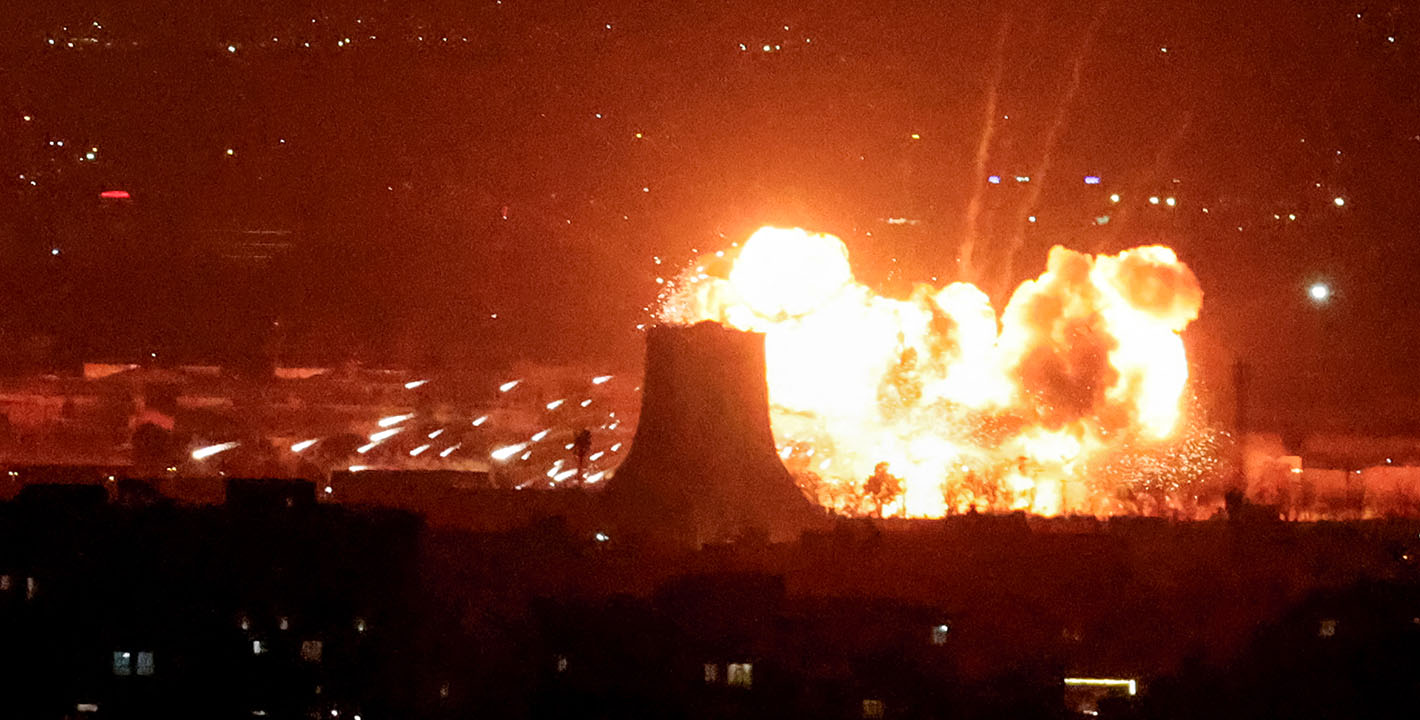
In an interview, Marc Lynch discusses his new book decrying the post-1990 U.S.-dominated order in the Middle East.

Michael Young

Because perpetual conflict enhances control, offers economic benefits, and allows leaders to ignore popular preferences.

Angie Omar
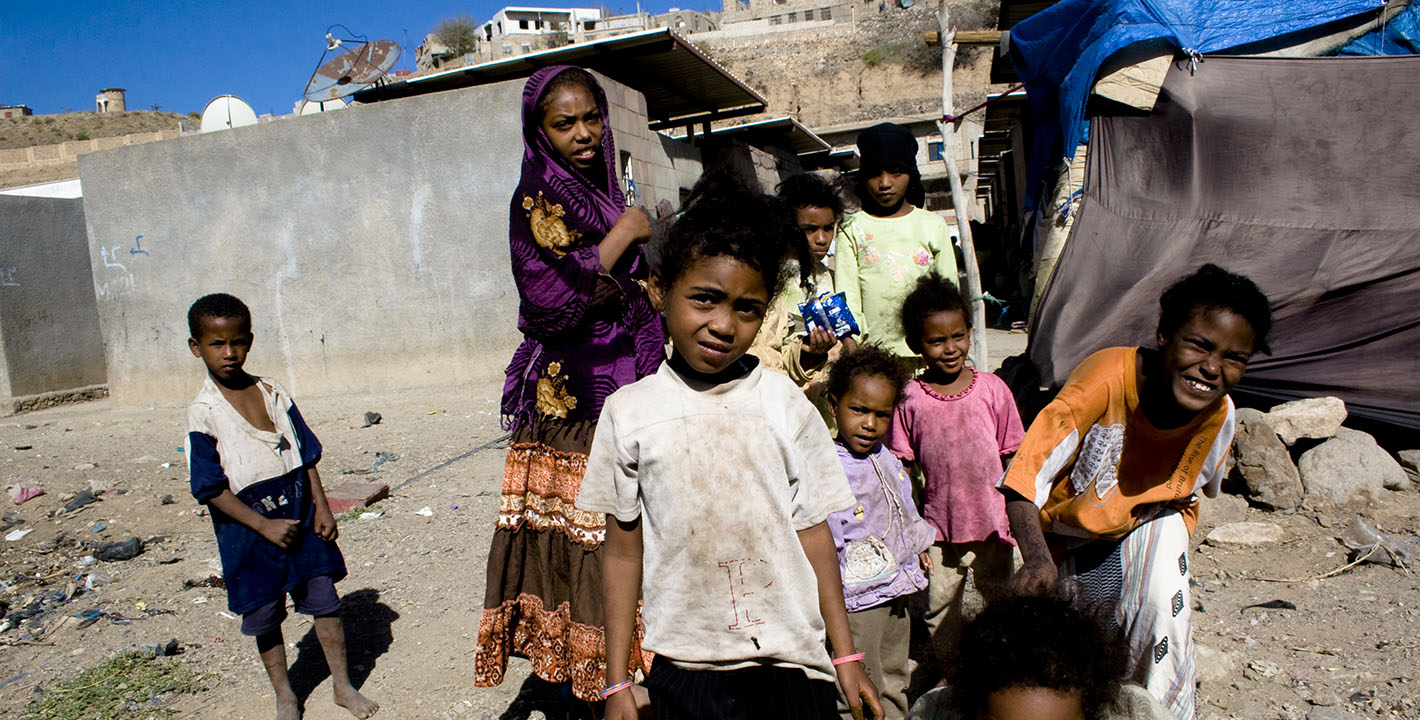
The community already suffers social discrimination, so addressing inequalities requires sustained interventions.
Musaed Aklan , Mohammad Al-Saidi
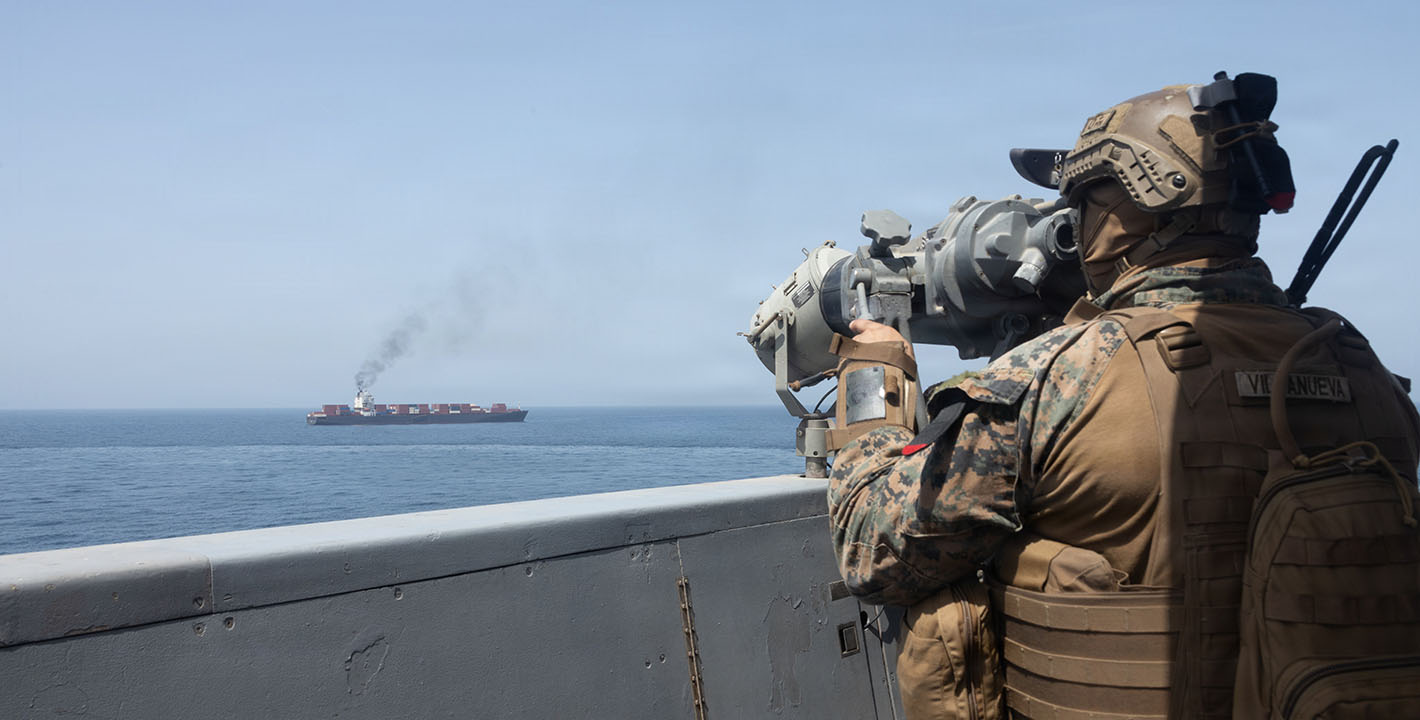
In an interview, Jim Lamson discusses the ongoing regional conflict and sees an unclear picture when it comes to winners and losers.
Michael Young
Spot analysis from Carnegie scholars on events relating to the Middle East and North Africa.
Michael Young