

Commentary
There is a disturbing structural parallel between the old global energy economy and the new green transition.
Angie Omar
{
  "authors": [
    "Ghida Tayara"
  ],
  "type": "commentary",
  "blog": "Diwan",
  "centerAffiliationAll": "dc",
  "centers": [
    "Carnegie Endowment for International Peace",
    "Malcolm H. Kerr Carnegie Middle East Center"
  ],
  "collections": [
    "Three Question Time"
  ],
  "englishNewsletterAll": "menaTransitions",
  "nonEnglishNewsletterAll": "",
  "primaryCenter": "Malcolm H. Kerr Carnegie Middle East Center",
  "programAffiliation": "MEP",
  "programs": [
    "Middle East"
  ],
  "projects": [],
  "regions": [
    "Levant",
    "Syria",
    "Middle East",
    "Russia"
  ],
  "topics": []
}
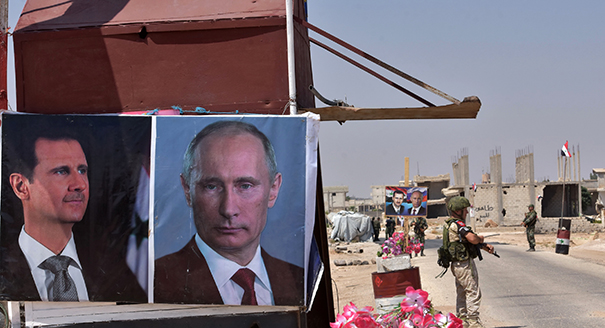
Source: Getty
In an interview, Ruslan Mamedov unpacks Moscow’s policy in Syria and its attitude toward Bashar al-Assad.
Ruslan Mamedov is the Middle East and North Africa program coordinator at the Russian International Affairs Council. He is also a researcher with the Moscow State Institute of International Relations (MGIMO University). In late September, Mamedov was in Beirut to participate in a Carnegie workshop on Syria, during which Diwan interviewed him to get his perspective on Russia’s policy in Syria, its perception of the Israeli-Iranian rivalry, and its attitude toward President Bashar al-Assad’s remaining in power.
Ghida Tayara
Senior Digital and Web Coordinator
Carnegie does not take institutional positions on public policy issues; the views represented herein are those of the author(s) and do not necessarily reflect the views of Carnegie, its staff, or its trustees.

There is a disturbing structural parallel between the old global energy economy and the new green transition.

Angie Omar
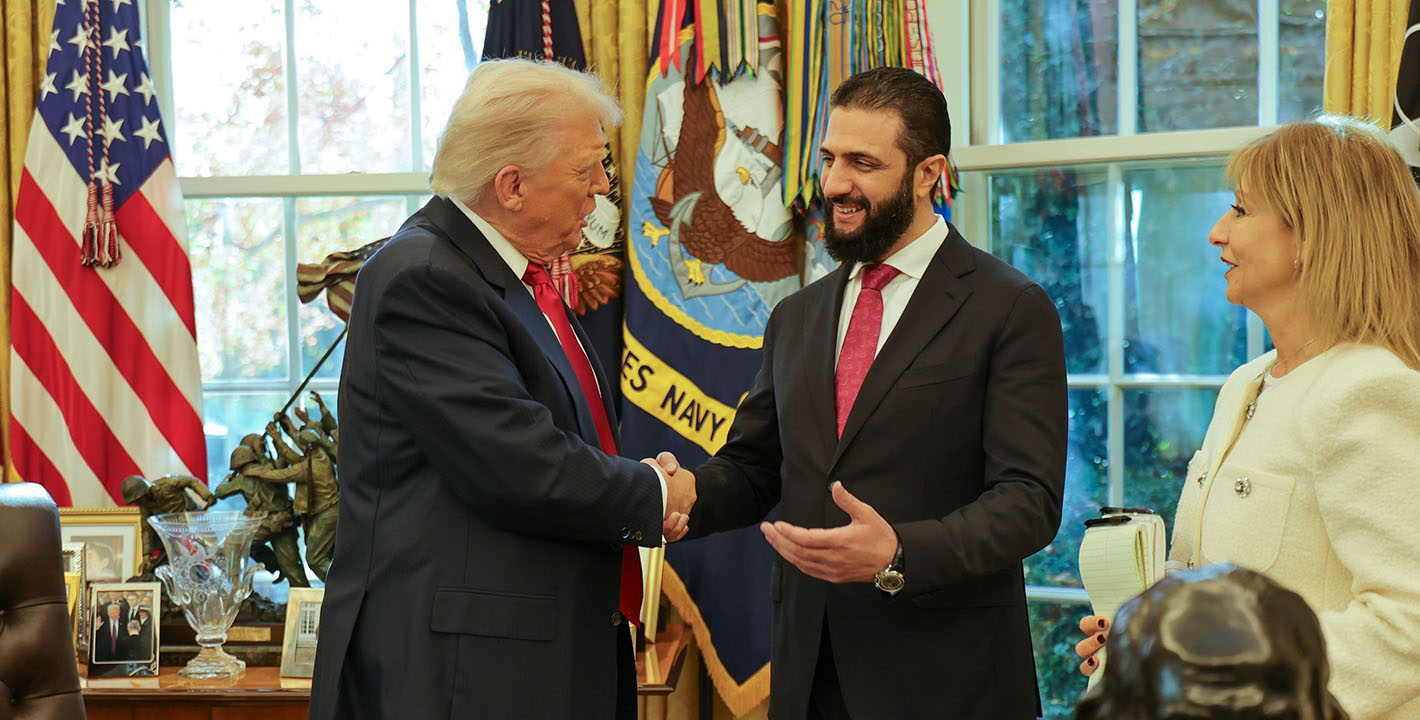
Any move by the United States to make good on Trump’s suggestion that Washington persuade Damascus to confront Hezbollah militarily would have catastrophic consequences.

Kheder Khaddour
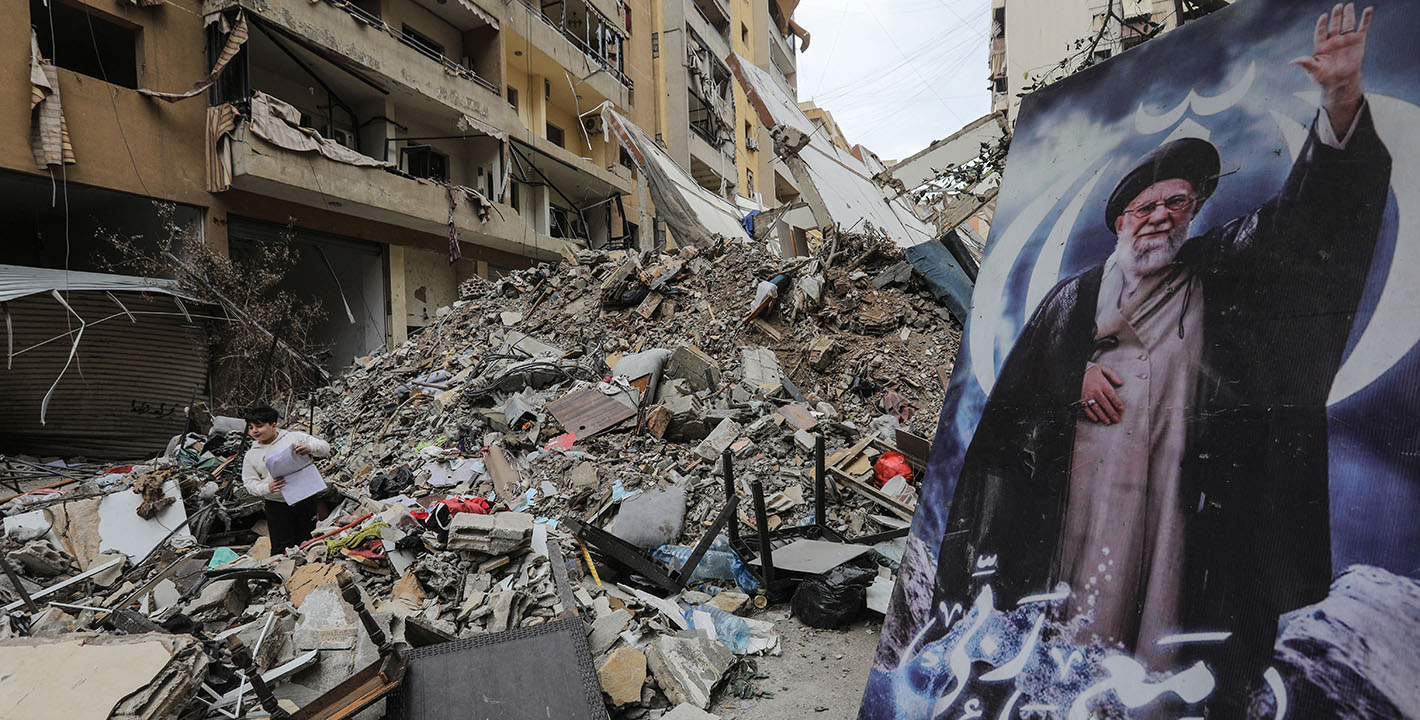
As talks begin between Washington and Tehran, Beirut has an opening to advance a regional plan for the party’s disarmament.

Michael Young
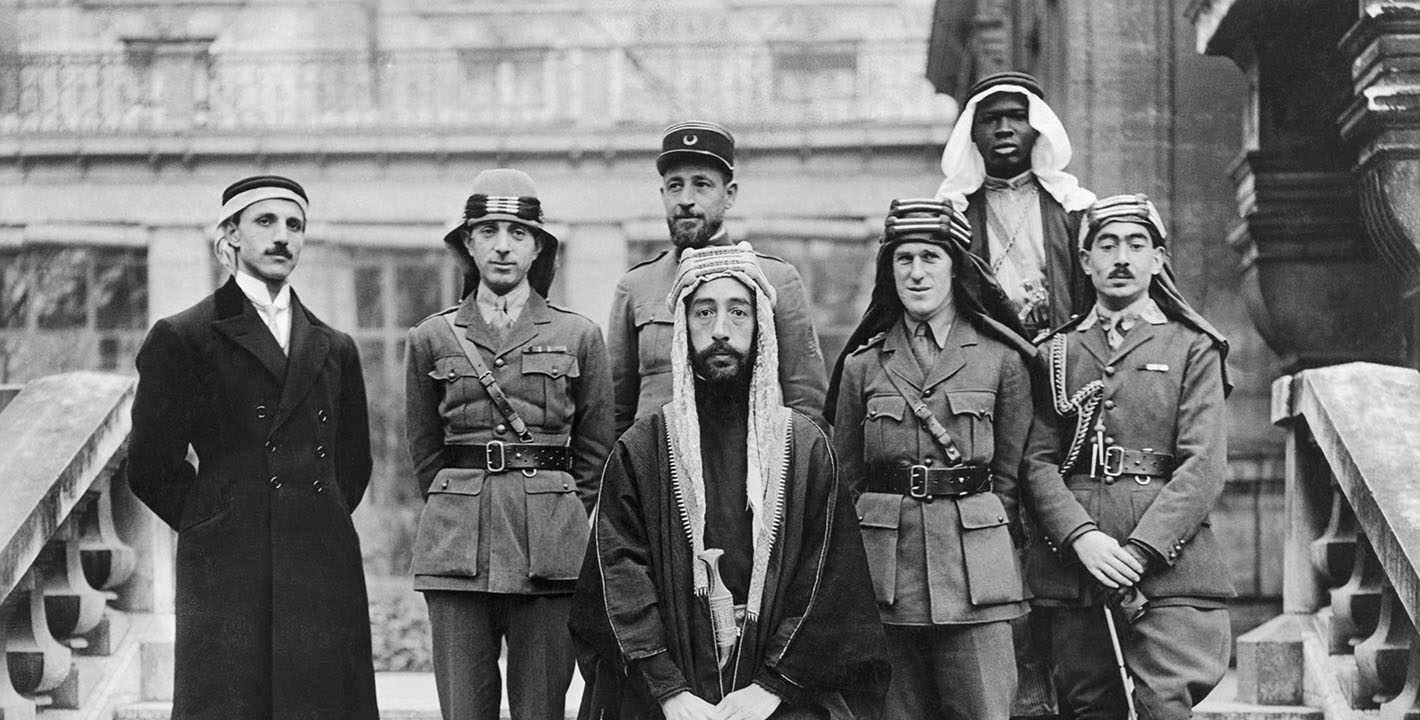
In an interview, Elizabeth Thompson recalls how the country formulated a liberal constitution in 1920, before being denied by France and Britain.
Michael Young
As negotiations with Iran and Lebanon continue, chaos is at the heart of the Netanyahu government’s calculations.
Michael Young