

{
  "authors": [
    "J. Stapleton Roy",
    "Albert Keidel",
    "Michael D. Swaine"
  ],
  "type": "event",
  "centerAffiliationAll": "dc",
  "centers": [
    "Carnegie Endowment for International Peace"
  ],
  "collections": [],
  "englishNewsletterAll": "asia",
  "nonEnglishNewsletterAll": "",
  "primaryCenter": "Carnegie Endowment for International Peace",
  "programAffiliation": "AP",
  "programs": [
    "Asia"
  ],
  "projects": [],
  "regions": [
    "China"
  ],
  "topics": []
}
A New Era? What to Make of the 17th Congress of the Chinese Communist Party
Wed, October 24th, 2007
Washington, D.C.
IMGXYZ798IMGZYXOn October 24, 2007, the Carnegie Endowment for International Peace hosted a seminar entitled "A New Era? What to Make of the 17th Congress of the Chinese Communist Party," featuring Ambassador J. Stapleton Roy, vice chairman of Kissinger Associates and former U.S Ambassador to China, and Carnegie Senior Associates Albert Keidel and Michael Swaine of the China Program. Moderated by Carnegie President Jessica Mathews, the event evaluated the implications of the 17th Party Congress on China's future policies from the political, economic, and military perspective.
Ambassador Roy started the discussion by focusing on Hu's policy agenda for the next five years, which is highlighted by the notion of "scientific development." He then provided detailed descriptions on the backgrounds of the two newly-promoted members of Politubro Standing Committee: Xi Jinping and Li Keqiang, who are very likely about to become the next President and Premier of China.
Senior Associate Albert Keidel assessed the prospect of China's economy liberalization after the 17th Party Congress, and stressed the idea that Chinese government operates as a corporate technocracy rather than dictatorship.
Senior Associate Michael Swaine concluded the discussion with his analysis of the leadership turnover as well as strategy changes for the People's Liberation Army after the 17th Congress.
Carnegie does not take institutional positions on public policy issues; the views represented herein are those of the author(s) and do not necessarily reflect the views of Carnegie, its staff, or its trustees.
Event Speakers
J. Stapleton Roy
Former Senior Associate, China Program
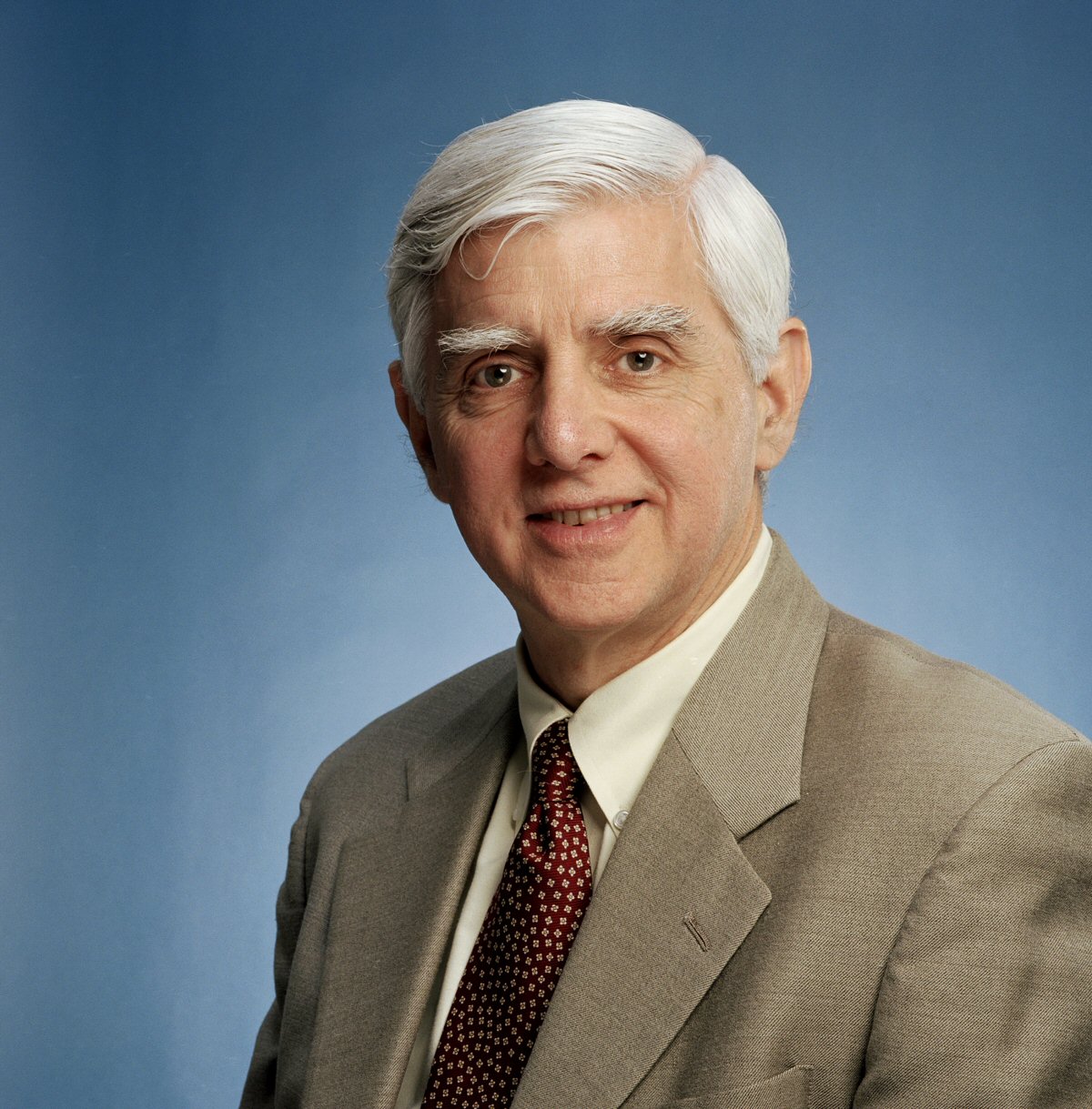
Keidel served as acting director and deputy director for the Office of East Asian Nations at the U.S. Department of the Treasury. Before joining Treasury in 2001, he covered economic trends, system reforms, poverty, and country risk as a senior economist in the World Bank office in Beijing.
Former Senior Fellow, Asia Program

Swaine was a senior fellow at the Carnegie Endowment for International Peace and one of the most prominent American analysts in Chinese security studies.