

{
  "authors": [
    "Rahul Verma",
    "Chirayu Thakkar"
  ],
  "type": "event",
  "centerAffiliationAll": "",
  "centers": [
    "Carnegie Endowment for International Peace",
    "Carnegie India"
  ],
  "englishNewsletterAll": "",
  "eventCollection": [
    "Security Studies Seminar Series"
  ],
  "nonEnglishNewsletterAll": "",
  "primaryCenter": "Carnegie India",
  "programAffiliation": "",
  "programs": [],
  "projects": [
    "Security Studies"
  ],
  "regions": [
    "Pakistan"
  ],
  "topics": [
    "Security"
  ]
}
Atomic Aversions in Enduring Rivalries
Thu, May 9th, 2024
Zoom Webinar
Intensifying tensions between two nuclear-armed countries may compel them to consider and possibly deploy nuclear weapons. While the decision to use nuclear weapons rests with the highest levels of government, the citizens of the countries are also likely to have views on nuclear warfare. In their ongoing research on nuclear attitudes, Rahul Verma and Chirayu Thakkar examined the factors influencing public opinion in Western and non-Western countries. The findings offer valuable insights into some pressing questions—Are there differences in views regarding the nuclear option in Western and non-Western countries? What rationale do respondents have for the non-use of nuclear weapons? Relatedly, what reasoning do those advocating for the use of nuclear weapons have?
Carnegie India hosted Rahul Verma and Chirayu Thakkar for a discussion on their study on the Indian public’s opinion toward nuclear warfare with Pakistan. The discussion was moderated by Srinath Raghavan.
DISCUSSION HIGHLIGHTS
Existing literature: Researchers presented the motivations for exploring public opinions toward using nuclear weapons in the Indian sub-continent. Participants deliberated on two waves of literature in this regard. First, in line with the constructivist school of thought, participants argued that in the American context, there was an inherent moral revulsion to the use of weapons of mass destruction (WMD). For the public, this revulsion was prioritized before national security interests. Second, the realist perspective which argues the willingness to use WMDs if it saves many lives. This research has so far only been conducted in the United States and has not been explored in South Asia. Thus, this study on India and Pakistan was intended to present an enduring rivalry between nuclear armed states in the backdrop of recent escalations such as in Pulwama and Uri.
Saying yes/no to using nuclear weapons: The study presented a survey with 12,544 respondents including diversity in terms of age, gender, religion, residence location in India, caste, and political affiliation among others, to mimic India’s demographic makeup. Participants discussed the mutually exclusive arguments for respondents saying yes or no to the use of nuclear bomb against Pakistan if a terrorist organization attacks India and/or when this is a 50 percent chance of their city being attacked in retaliation. Here, the narrow and wider morality, military utility, and strategic interaction arguments were discussed as the quarters of resistance indicating the rationale for public choice. It was found that there exists an aversion among the respondents toward the use of nuclear weapons. Participants discussed that the wider public attitude for this aversion varies based on the demographic factors considered. For instance, persons who morally resisted to the use of nuclear weapons were younger, female, educated, and Muslim.
Mapping public opinion: Participants discussed that there are complex reasons due to which there is a wider opposition to the use of nuclear weapons among the public. These reasons are similar to those studied among Western audiences in past literature. Examining the history of the use of WMDs, the aversion to nuclear weapons having military utility was traced in the discussion. For instance, after the end of the Cuban Missile Crisis, mass aversion disappeared. This is evident in the rising nuclear threats made in the context of the Russia-Ukraine war. Questioning the theoretical assumptions of the study can enable a more comprehensive dissection of sociological attitudes. Additionally, participants pondered differing scenarios including India’s No First Use policy, the probability of retaliation, and the difference in national security priorities for different countries.
Carnegie does not take institutional positions on public policy issues; the views represented herein are those of the author(s) and do not necessarily reflect the views of Carnegie, its staff, or its trustees.
Event Speakers
Rahul Verma
Fellow at the Centre for Policy Research in New Delhi
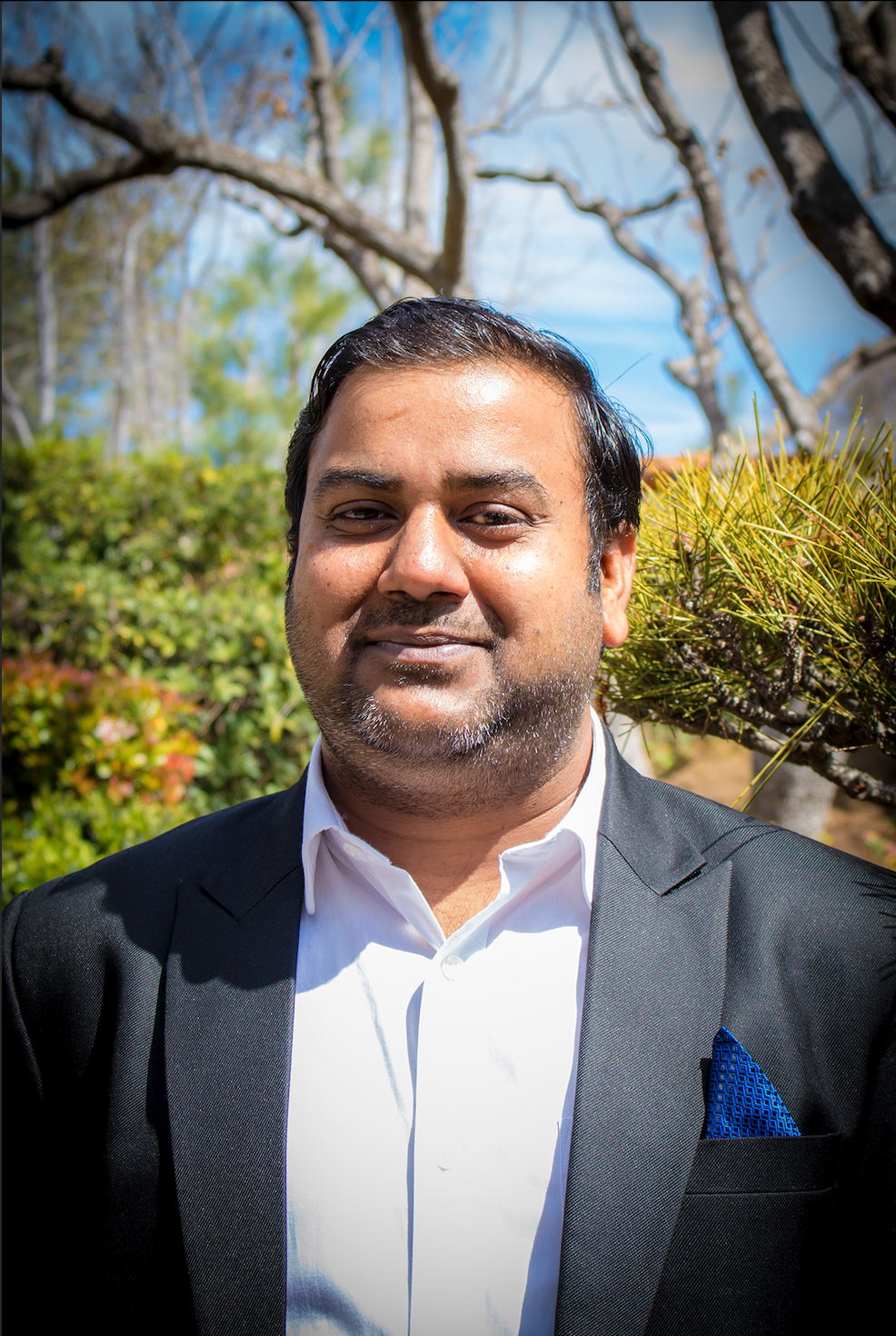
Rahul Verma is a fellow at the Centre for Policy Research in New Delhi and visiting assistant professor at Ashoka University.
Chirayu Thakkar