

{
  "authors": [
    "Maha Yahya",
    "Aaron David Miller",
    "Nathan J. Brown",
    "Amjad Iraqi",
    "Tahani Mustafa"
  ],
  "type": "event",
  "centerAffiliationAll": "",
  "centers": [
    "Malcolm H. Kerr Carnegie Middle East Center",
    "Carnegie Endowment for International Peace"
  ],
  "englishNewsletterAll": "",
  "nonEnglishNewsletterAll": "",
  "primaryCenter": "Malcolm H. Kerr Carnegie Middle East Center",
  "programAffiliation": "",
  "regions": [
    "Israel"
  ],
  "topics": [
    "Political Reform"
  ]
}
Israel’s Election: What Comes Next?
Wed, October 7th, 2026
Virtual
Invalid video URL
Since October 7, 2023, Israel has undergone a major political and strategic transformation. The Hamas attack and the wars that followed have reshaped Israeli perceptions of security and the country’s place in the wider Middle East, while further reinforcing Israeli opposition to Palestinian statehood. As Israel prepares for elections on October 27, the central question is not only whether Benjamin Netanyahu and his coalition will retain power, but what the vote will reveal about the country’s political trajectory after three years of war.
The election comes as Israel continues to face a broad and unsettled regional landscape. The future of Gaza and the West Bank remains contested, while Iran and Lebanon continue to figure prominently in Israel’s regional policy and security calculations. In addition, Israel’s relations with the United States have grown more complicated. A change in government may alter Israel’s approach to the Palestinians and its regional conflicts, but it remains unclear whether a new coalition would represent a substantive departure from the security and political assumptions since October 7. The fragmentation of the Israeli political landscape, including over issues such as judicial reform, ultra-Orthodox politics, the settler movement, and the role of Palestinian citizens of Israel, could also prove consequential in determining what comes next.
What will the Israeli election reveal about the country’s changing political landscape? Might a new government represent a change in Israel’s approach to Gaza, the West Bank, Lebanon, and the broader region, or largely continue the trajectory of recent years? And what might the outcome mean for Israel’s relations with the Palestinians, its neighbors, and the United States?
To address these questions, the Malcolm H. Kerr Carnegie Middle East Center will host a panel discussion on October 7, at 5:00 pm Beirut time/ 10:00 AM EDT. The panel will include Tahani Mustafa, lecturer in international relations in the Department of War Studies at King’s College London; Aaron David Miller, senior fellow at the Carnegie Endowment for International Peace; and Amjad Iraqi, senior analyst for Israel/Palestine at Crisis Group; Nathan Brown, Professor of Political Science and International Affairs. The discussion will be moderated by Maha Yahya, director of the Malcolm H. Kerr Carnegie Middle East Center.
The event will be held in English. Viewers are invited to submit questions via the live chat feature on Facebook and YouTube.
For more information, please contact Najwa Yassine at najwa.yassine@carnegie-mec.org.
Carnegie does not take institutional positions on public policy issues; the views represented herein are those of the author(s) and do not necessarily reflect the views of Carnegie, its staff, or its trustees.
Event Speakers
Director, Malcolm H. Kerr Carnegie Middle East Center

Maha Yahya is director of the Malcolm H. Kerr Carnegie Middle East Center, where her research focuses on citizenship, pluralism, and social justice in the aftermath of the Arab uprisings.
Senior Fellow, American Statecraft Program

Aaron David Miller is a senior fellow at the Carnegie Endowment for International Peace, focusing on U.S. foreign policy.
Nonresident Senior Fellow, Middle East Program

Nathan J. Brown, a professor of political science and international affairs at George Washington University, is a distinguished scholar and author of nine books on Arab politics and governance, as well as editor of five books.
Amjad Iraqi
Senior analyst for Israel/Palestine at the International Crisis Group
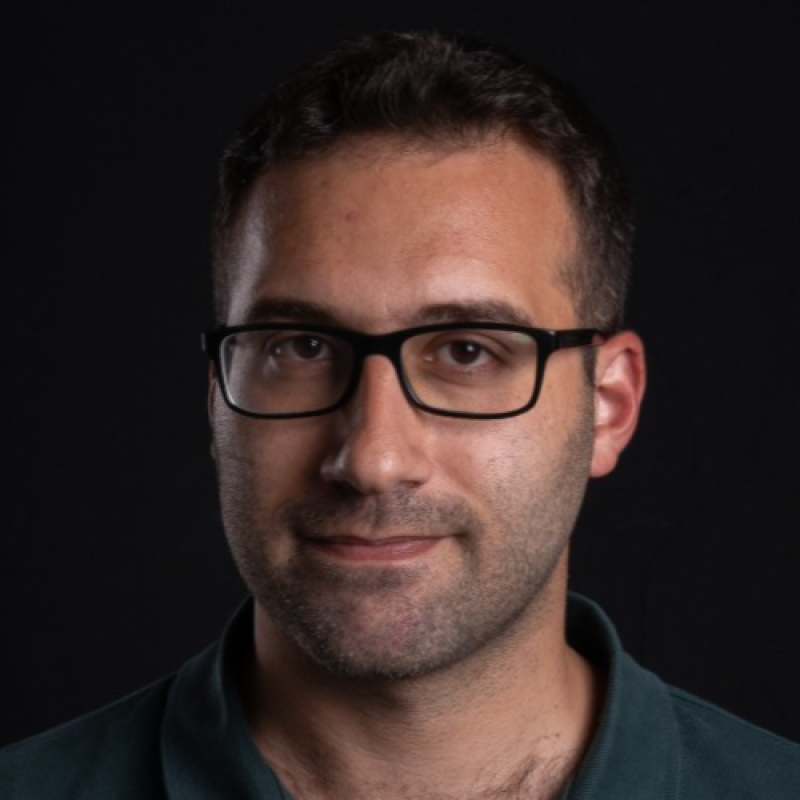
Amjad Iraqi is a senior analyst for Israel/Palestine at the International Crisis Group.
Tahani Mustafa
Lecturer in International Relations in the Department of War Studies at King’s College London.

Tahani Mustafa is a lecturer in International Relations in the Department of War Studies at King’s College London.