

Report
Nancy Birdsall
{
  "authors": [
    "Nancy Birdsall"
  ],
  "type": "other",
  "centerAffiliationAll": "",
  "centers": [
    "Carnegie Endowment for International Peace"
  ],
  "collections": [],
  "englishNewsletterAll": "",
  "nonEnglishNewsletterAll": "",
  "primaryCenter": "Carnegie Endowment for International Peace",
  "programAffiliation": "",
  "programs": [],
  "projects": [],
  "regions": [
    "North America"
  ],
  "topics": [
    "Trade"
  ]
}
REQUIRED IMAGE
Source: Carnegie
Street protesters in Prague in September 2000 are not the only ones complaining about the World Bank. Conservative critics are pointing the finger too. On the left, champions of social justice argue that World Bank loan conditions hurt the poor. On the right, conservatives claim lending practices crowd out private investment. Critics from all sides compound public confusion about globalization and the impact on people of global financial institutions.
Nancy Birdsall dissects the critics' positions and proposes World Bank reforms rarely put on the table: end "cookie-cutter pricing" or the outdated tradition of a single interest rate and loan term no matter what; give countries like China and Brazil more voting power; and don't give up on much-maligned conditionality but fix and enforce it. Birdsall notes that governance of international financial institutions will never be perfectly representative nor accountable, in part because of failures of democracy in borrowing countries. But, conceiving of the World Bank as a club, she argues for balanced reform not shutdown.
Click on the link above for the full text of this Policy Brief.
Former Senior Associate
Recent Work
Nancy Birdsall
Nancy Birdsall, Rachel Menezes
Carnegie does not take institutional positions on public policy issues; the views represented herein are those of the author(s) and do not necessarily reflect the views of Carnegie, its staff, or its trustees.

Morocco and Algeria, each in its own way, are having to navigate the global economic fallout of the U.S.-Israeli military campaign against Iran.

Yasmine Zarhloule
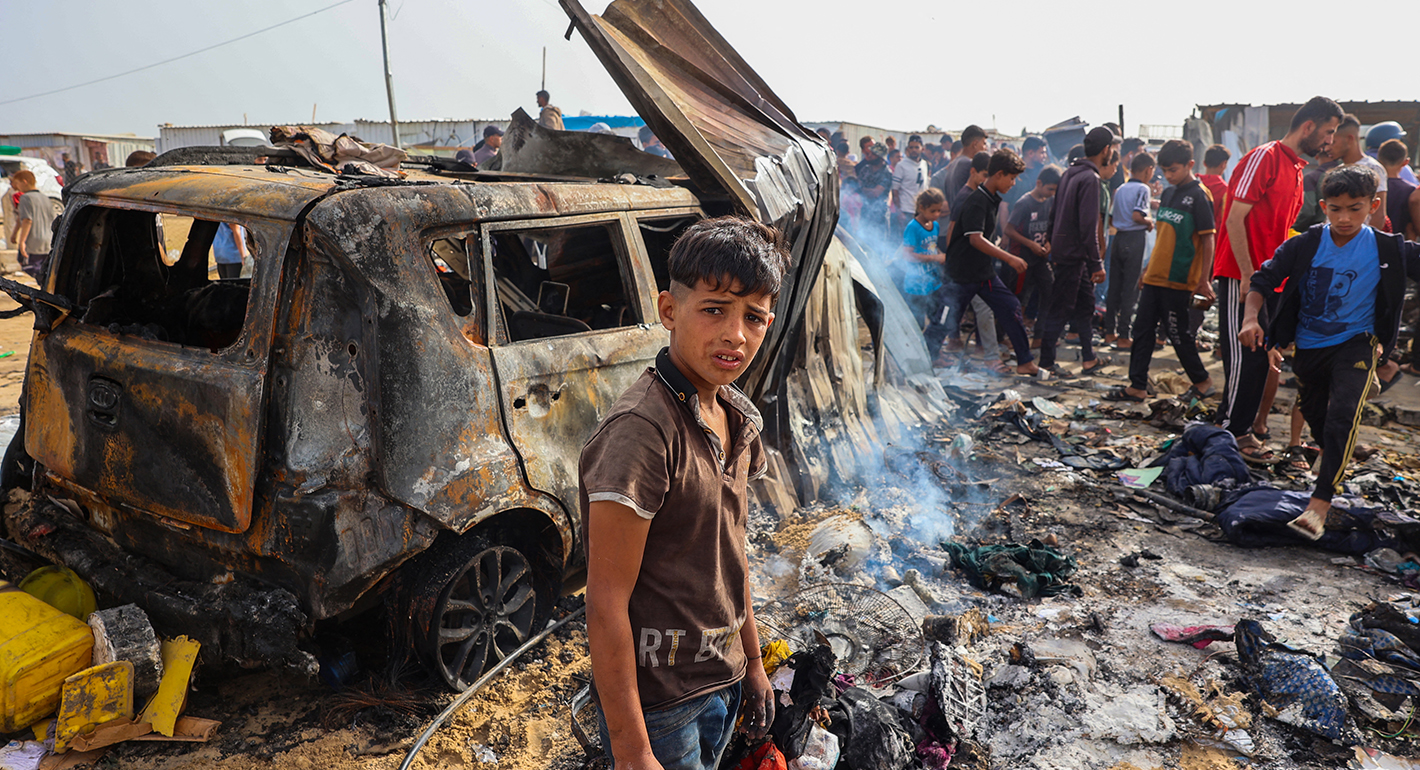
The Biden administration’s plan for the “day after” in Gaza would be disastrous without the promise of Palestinian statehood.

Yezid Sayigh
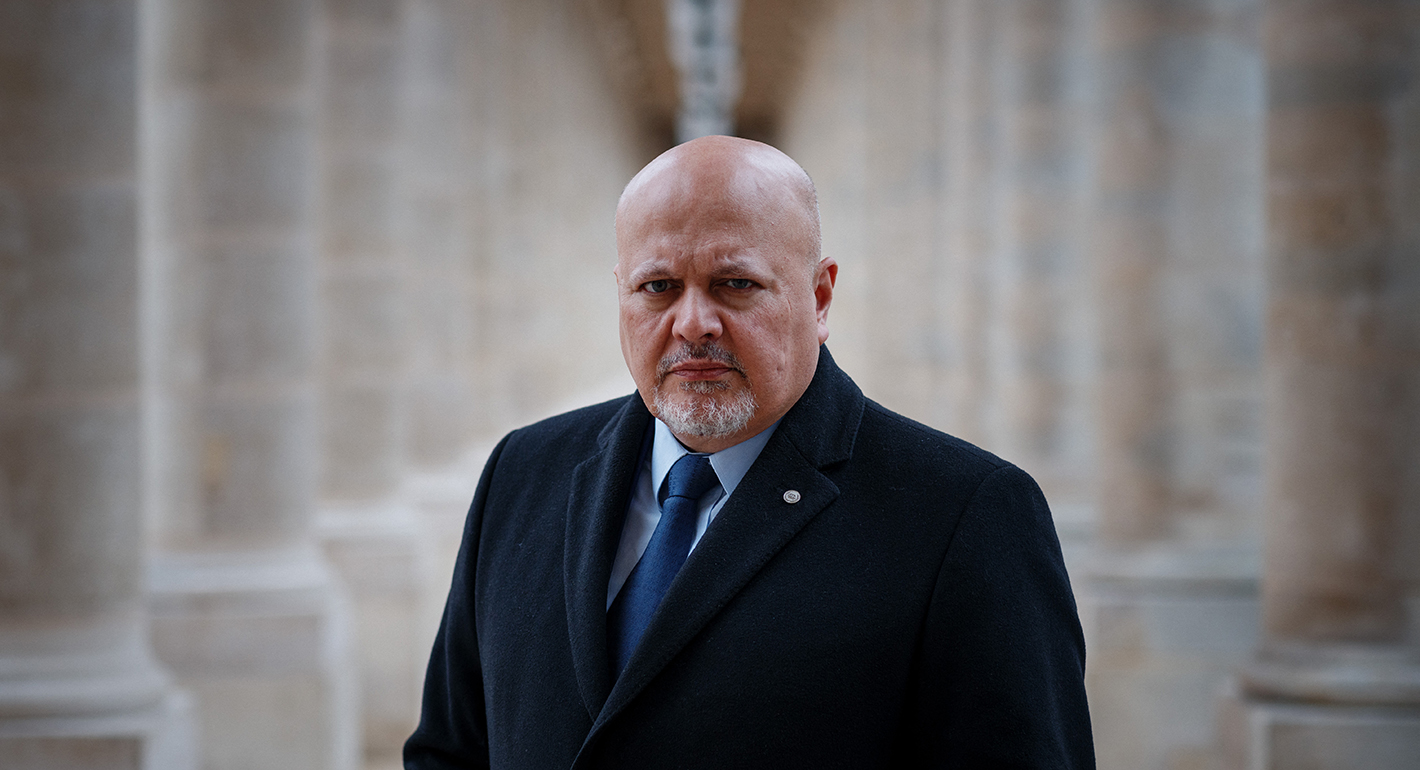
In an interview, H. A. Hellyer talks about international justice as the ICC prosecutor seeks to pursue Israeli officials.

Michael Young

Antony Blinken took his guitar to Kyiv to lift the spirits of Ukrainians, but Arabs are apparently denied his tunes.
Michael Young
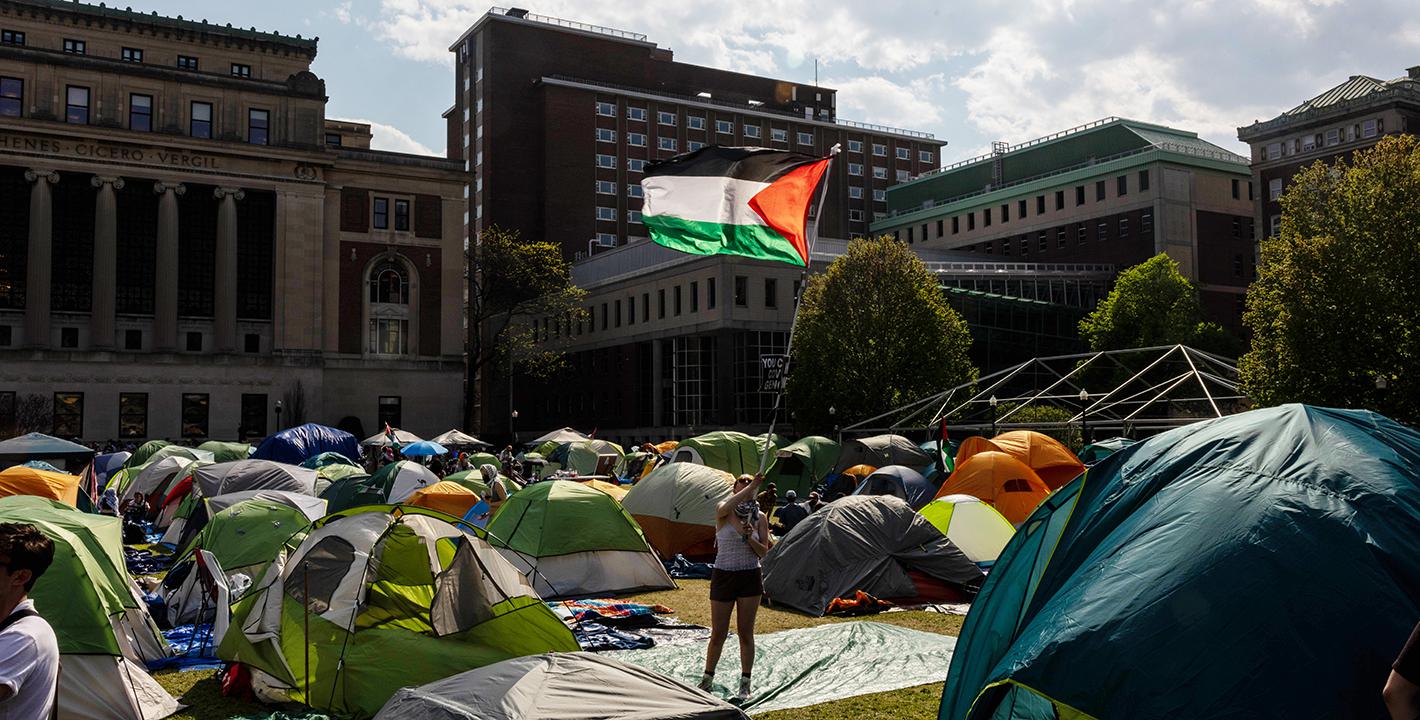
As students around the United States and Europe protest, the relationship of Western elites with Israel is being redefined.
Michael Young