


Report
Nancy Birdsall, Rachel Menezes
Should the Multilateral Development Banks continue to lend to this group of countries or, instead, concentrate attention on poorer countries with little such access? Second, what purposes should this lending serve and under what conditions should it take place?
Source: Carnegie
|
|
Report of the Commission on the Role of the MDBs in the EMEs | |
| Commission Cochairs: José Angel Gurria and Paul Volcker | ||
| Pub Date: April 26, 2001 | ||

Transcript of the Press Conference, April 26
Transcript of the report luncheon with Paul Volcker, May 1
Does lending by the World Bank and the regional development banks to emerging markets still make sense? Skeptics argue that the banks are no longer relevant for countries with access to private capital. To examine this issue, the Carnegie Endowment for International Peace, EMP Financial Advisors, LLC, and the Inter-American Dialogue formed a commission, cochaired by former Mexican Finance Minister José Angel Gurria and former U.S. Federal reserve Chairman Paul Volcker, to assess the activities of the multilateral development banks (MDBs) in the emerging market economies.
The Commission addressed two central questions: Should the MDBs continue to lend to this group of countries or instead concentrate attention on poorer countries with little access to private capital? What purposes should this lending serve and under what conditions should it take place?
The report argues that the MDBs should continue to lend to the emerging market economies as an integral part of their ongoing role in the years ahead. At the same time, Commission members recommend changes on long-standing MDB approaches toward the emerging market economies more appropriate to today's global economy.
Former Senior Associate
Recent Work
Nancy Birdsall, Rachel Menezes
Nancy Birdsall

Morocco and Algeria, each in its own way, are having to navigate the global economic fallout of the U.S.-Israeli military campaign against Iran.

Yasmine Zarhloule

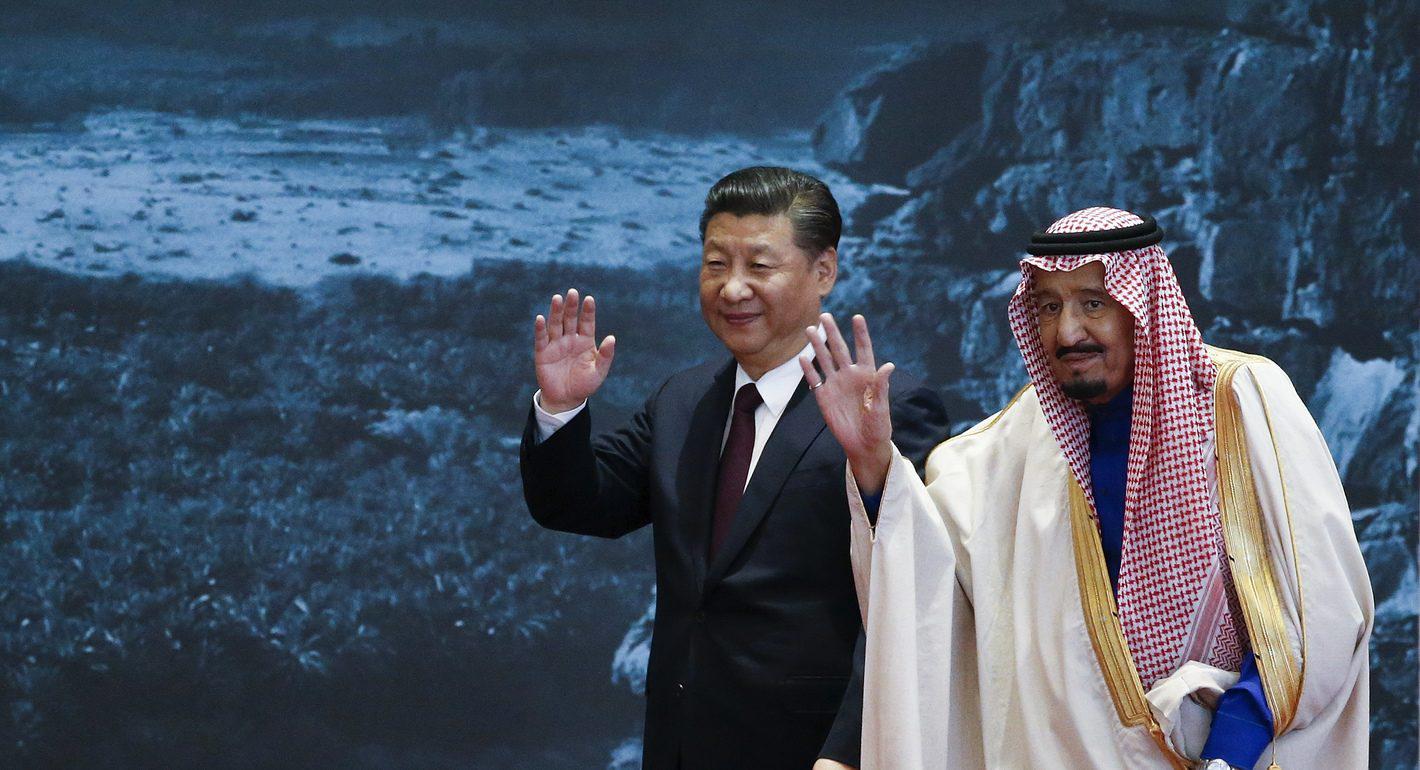
China has aligned its cooperation model with Saudi Arabia’s own priorities, most notably since the kingdom unveiled its Vision 2030. Although China announced the Belt and Road Initiative in 2013, the big push in relations happened only after the ascendance of King Salman to the throne in 2015 and Riyadh’s push for Beijing to meet Saudi needs.

Hesham Alghannam

The Gulf Cooperation Council has shifted its energy export focus to Asia, particularly India and China. This is part of a broader shift as GCC members look to expand their geopolitical alliances away from the West.

Alexandre Kateb
The advantage that China has over other global powers, especially America, is that its foreign policy is closely aligned with those of many of the Middle Eastern countries.


Jin Liangxiang, Maha Yahya, Hesham Alghannam
To create an environment more conducive to cooperation and development, U.S. and Chinese efforts should seek the endorsement of neighboring countries and regional organizations. Otherwise, regional and geopolitical rivalries will remain barriers.
Abdullah Baabood