

Other
Anders Aslund
{
  "authors": [
    "Anders Aslund"
  ],
  "type": "other",
  "centerAffiliationAll": "dc",
  "centers": [
    "Carnegie Endowment for International Peace"
  ],
  "collections": [],
  "englishNewsletterAll": "ctw",
  "nonEnglishNewsletterAll": "",
  "primaryCenter": "Carnegie Endowment for International Peace",
  "programAffiliation": "russia",
  "programs": [
    "Russia and Eurasia"
  ],
  "projects": [],
  "regions": [
    "Eastern Europe"
  ],
  "topics": [
    "Trade"
  ]
}
REQUIRED IMAGE
Source: Carnegie
One decade of postcommunist transformation has brought widely differing outcomes to the countries of the former Soviet bloc, ranging from fairly normal market economies to state-owned and state-controlled economies.
These economic systems and their performance have directly resulted from the policies the countries pursued. No country has suffered from too radical reforms-liberalization, stabilization, and privatization have driven growth. The main problem limiting growth in countries with gradual or no reforms is the rent seeking caused by transitional market distortions.
Countries with more effective democracies have produced better market reforms, because the voices of liberal market reformers are more likely to be heard in the struggle with the rent-seeking elite who would continue attempting to make money on the very transition.
Click on the link above for full text of this Policy Brief.
A limited number of print copies are also available.
Request a copy
About the Author
Anders Åslund has been a senior associate in the Russian and Eurasian Program at the Carnegie Endowment since 1994. He is a leading specialist on post-communist economic transformation, especially in Russia and Ukraine. He has served as a senior economic adviser to the governments of Russia, Ukraine, and Kyrgyzstan.
A prolific writer, Åslund has authored six books and edited nine. Most recently, he has authored Building Capitalism: The Transformation of the Former Soviet Bloc. He is a member of the Russian Academy of Natural Sciences and is an honorary professor of the Krygyz National University.
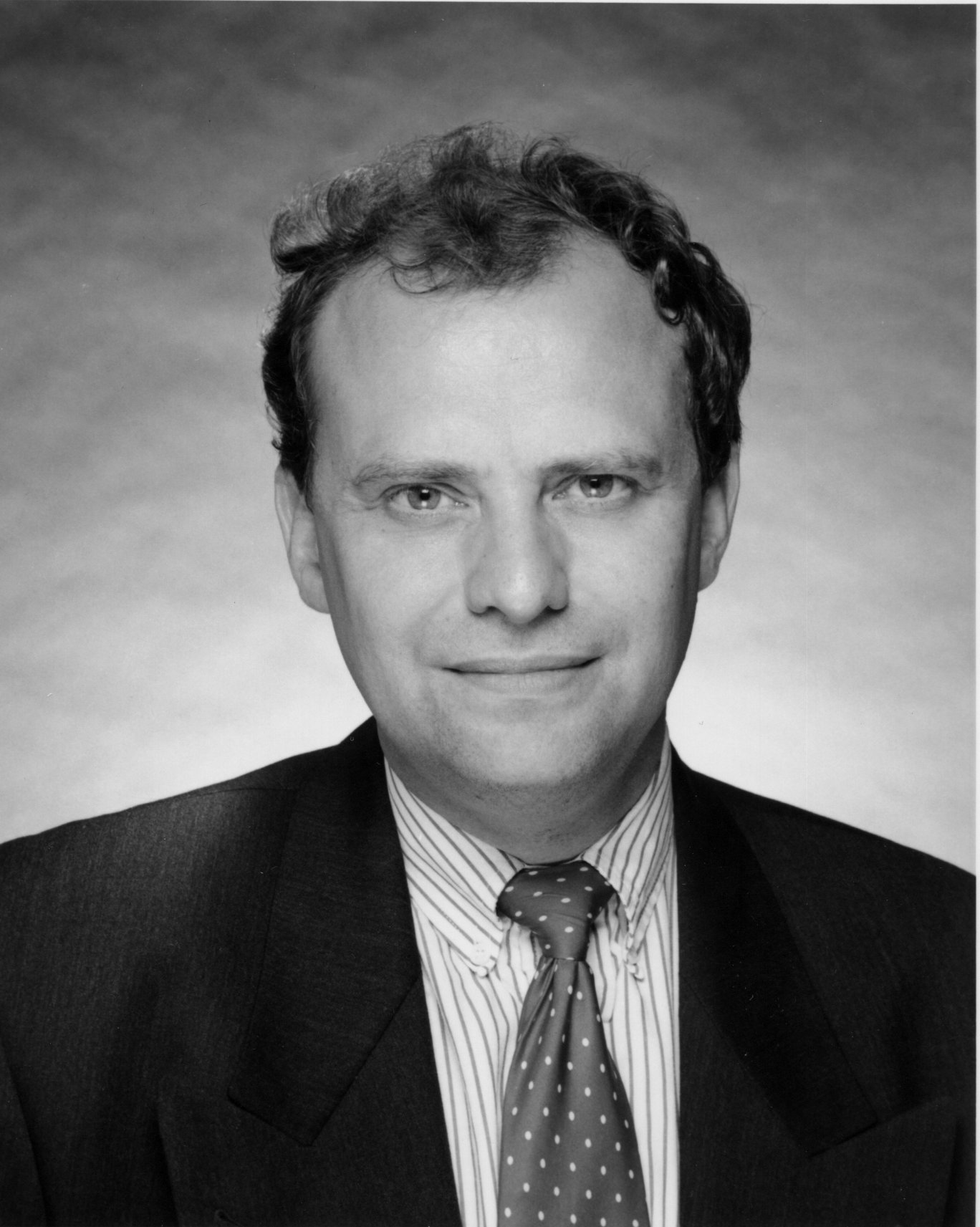
Former Senior Associate, Director, Russian and Eurasian Program
Recent Work
Anders Aslund
Anders Aslund
Carnegie does not take institutional positions on public policy issues; the views represented herein are those of the author(s) and do not necessarily reflect the views of Carnegie, its staff, or its trustees.

Morocco and Algeria, each in its own way, are having to navigate the global economic fallout of the U.S.-Israeli military campaign against Iran.

Yasmine Zarhloule
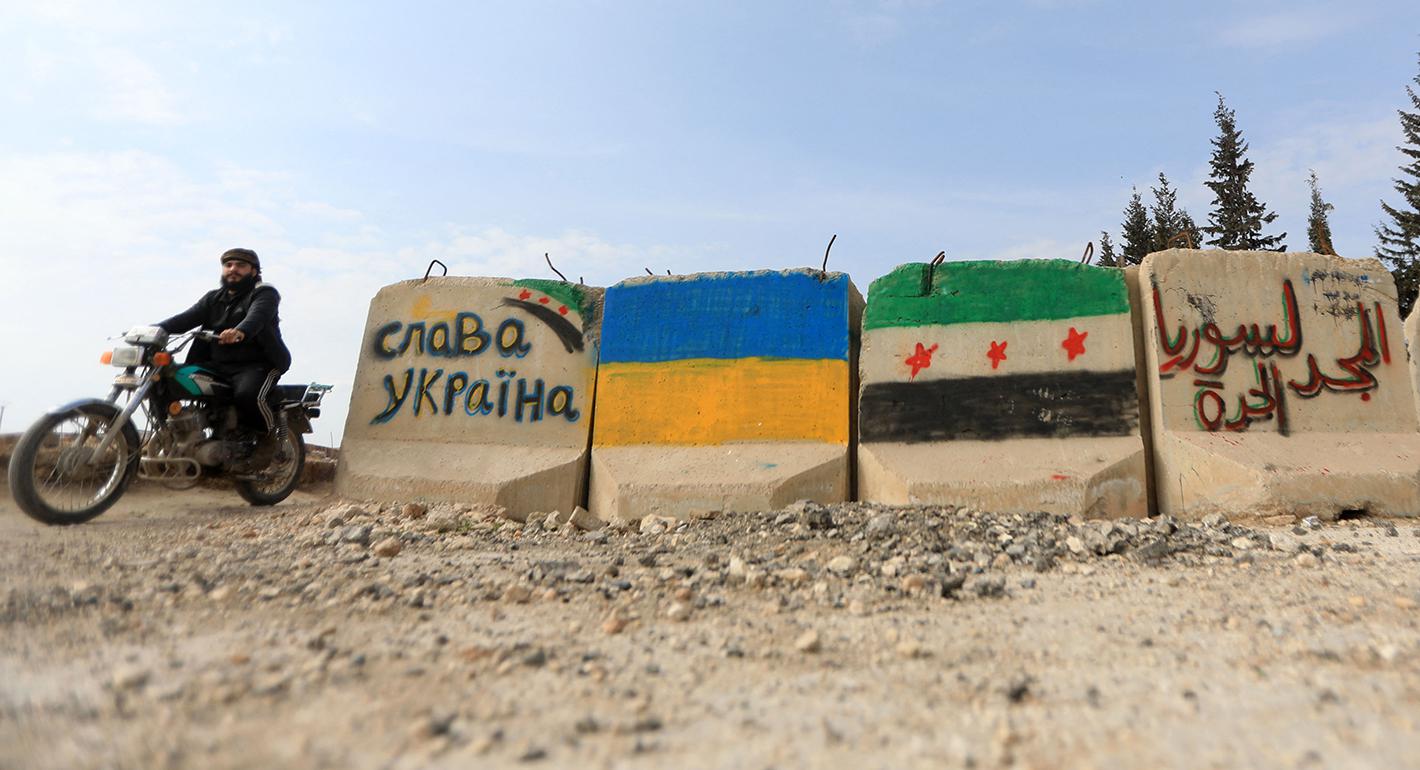
Some of Russia’s war tactics in Ukraine mirror the strategies Moscow has employed in Syria. The international community should apply the lessons learned then to limit devastation and casualties now.

Emma Beals
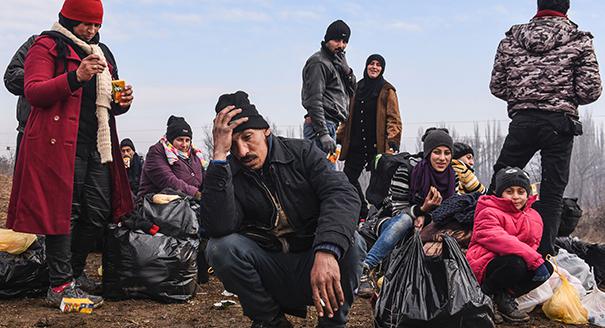
Very different Western reactions to the suffering in Ukraine and the Arab world show that there is a profound rift among cultures.

Michael Young
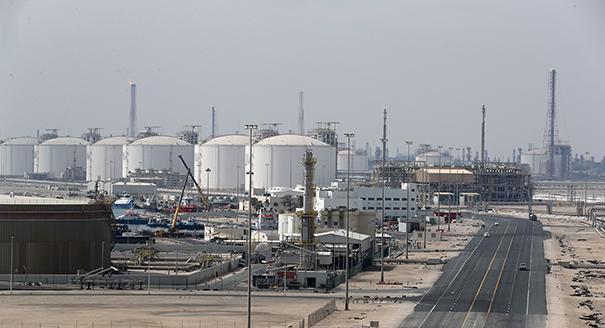
In an interview, Nikolay Kozhanov explains how the Ukraine conflict will affect Middle Eastern hydrocarbons production.
Michael Young
It’s about managing oil prices, bread prices, and strategic partnerships.



Amr Hamzawy, Karim Sadjadpour, Aaron David Miller, …