

Q&A
John Hewko
{
  "authors": [
    "John Hewko"
  ],
  "type": "legacyinthemedia",
  "centerAffiliationAll": "dc",
  "centers": [
    "Carnegie Endowment for International Peace"
  ],
  "collections": [],
  "englishNewsletterAll": "democracy",
  "nonEnglishNewsletterAll": "",
  "primaryCenter": "Carnegie Endowment for International Peace",
  "programAffiliation": "DCG",
  "programs": [
    "Democracy, Conflict, and Governance"
  ],
  "projects": [],
  "regions": [
    "North America",
    "South America"
  ],
  "topics": [
    "Trade"
  ]
}
REQUIRED IMAGE
The roots of Argentina's recent crisis go well beyond the current debate about the failings of a particular economic policy or multilateral institution. The principal fault for Argentina's woes lies squarely with the country's political and economic elite.
Source: Carnegie
No Need to Cry for Argentina
In a January 26, 2002 Boston Globe op-ed, Carnegie Visiting Scholar John Hewko writes that the roots of Argentina's recent crisis go well beyond the current debate about the failings of a particular economic policy or multilateral institution. The principal fault for Argentina's woes lies squarely with the country's political and economic elite. Click here to read the article.
Former Nonresident Senior Associate, Democracy and Rule of Law Program
Hewko was a nonresident senior associate with the Carnegie Endowment’s Democracy and Rule of Law Program. His research focuses on international development issues, democracy promotion, and the countries of the former Soviet Union.
Recent Work
John Hewko
Carnegie does not take institutional positions on public policy issues; the views represented herein are those of the author(s) and do not necessarily reflect the views of Carnegie, its staff, or its trustees.

Morocco and Algeria, each in its own way, are having to navigate the global economic fallout of the U.S.-Israeli military campaign against Iran.

Yasmine Zarhloule
The interaction of national armed forces and private business sectors offers a useful lens for viewing the politics of numerous countries of the so-called Global South. A rising trend of military political activism—often accompanied by military commercial activity—underlines the importance of drivers and outcomes in these relationships.

Yezid Sayigh, Hamza Meddeb
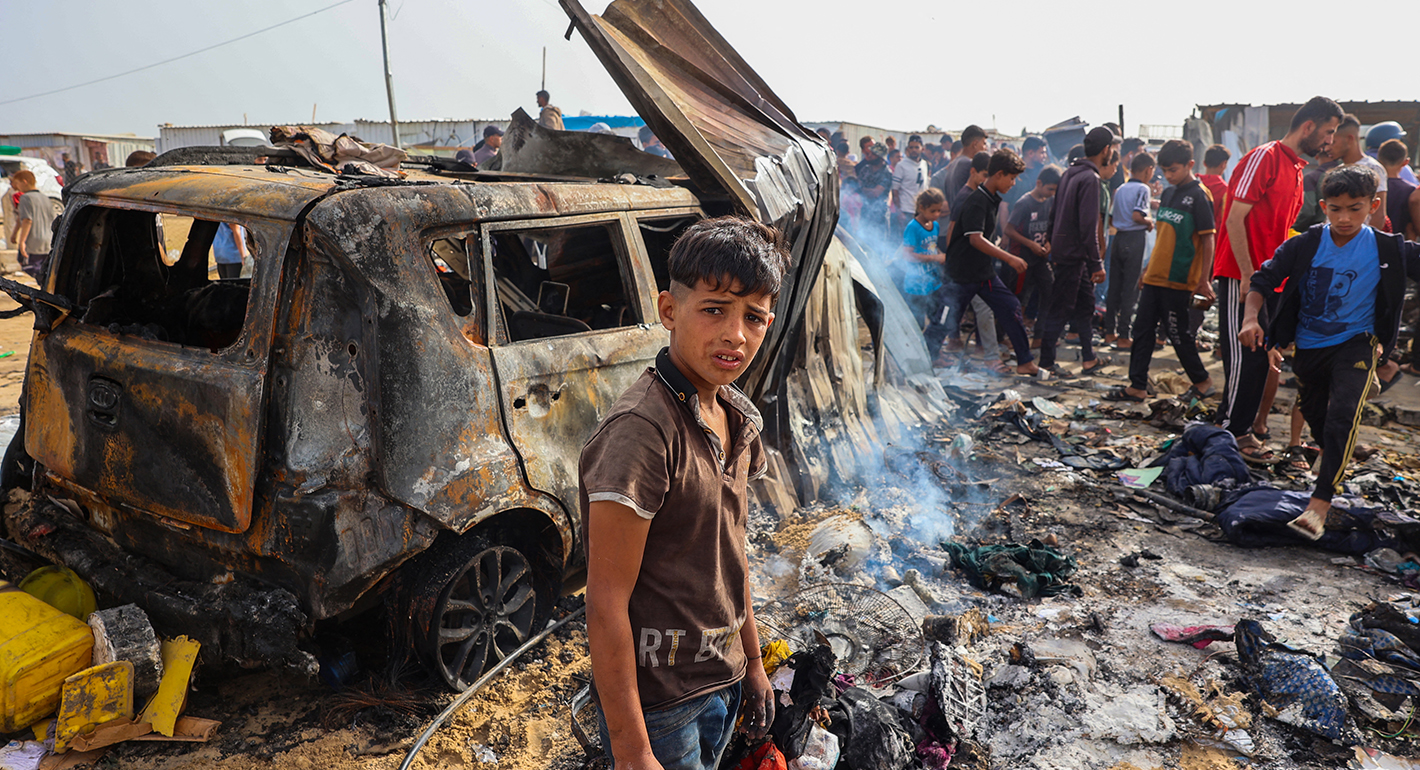
The Biden administration’s plan for the “day after” in Gaza would be disastrous without the promise of Palestinian statehood.
Yezid Sayigh
In an interview, H. A. Hellyer talks about international justice as the ICC prosecutor seeks to pursue Israeli officials.

Michael Young

Antony Blinken took his guitar to Kyiv to lift the spirits of Ukrainians, but Arabs are apparently denied his tunes.
Michael Young