

Research
- +10
Rosa Balfour, Frances Z. Brown, Yasmine Farouk, …
{
  "authors": [
    "Moisés Naím"
  ],
  "type": "legacyinthemedia",
  "centerAffiliationAll": "",
  "centers": [
    "Carnegie Endowment for International Peace"
  ],
  "collections": [],
  "englishNewsletterAll": "",
  "nonEnglishNewsletterAll": "",
  "primaryCenter": "Carnegie Endowment for International Peace",
  "programAffiliation": "",
  "programs": [],
  "projects": [],
  "regions": [
    "China"
  ],
  "topics": [
    "Political Reform",
    "Economy",
    "Trade"
  ]
}
REQUIRED IMAGE
Source: Carnegie
Originally published in the Financial Times, on July 23, 2003
A "crass buffoon" and "a man of very questionable integrity" is how The Economist describes him. He incarnates "nepotism, corruption and dishonesty" says Denmark's Information, while Aftonbladet, a Swedish daily, dismisses him as "an arrogant clown" and the Berliner Zeitung writes that he is "a shady deal-maker". France's Libération concludes that he is a "threat to liberal democracy". Whereas the Financial Times argues that "he lives in a media-bubble where his public gaffes and gratuitous insults go largely unreported at home at least until he goes abroad".
The man in question is not Alexander Lukashenko of Belarus, Zimbabwe's Robert Mugabe, or some other developing world strongman, but Silvio Berlusconi, the twice democratically elected prime minister of Italy.
What is really surprising is that such a dreadful reputation should attach itself to a media-savvy, image-conscious chief executive like Mr Berlusconi. After all, he owes his extraordinary success in business and politics to his skills in managing his media companies and influencing public opinion. But negative public perceptions about him have become so ingrained that all his knowledge of how the media works, his political shrewdness and his immense personal resources may not suffice to repair his personal "brand." He risks going down in history as a cunning businessman who took advantage of his country's weak institutions to become Italy's wealthiest tycoon and then managed to get elected as prime minister thanks to his quasi-monopoly of the Italian media.
Unless, that is, Mr Berlusconi makes a bold, image-boosting move. And here his inspiration should be another leader who had something of an image problem: Richard Nixon. While he is remembered for Watergate, his name also evokes his bold move towards détente with China. Once a fervent Red-baiter during the early years of the cold war, Nixon stunned his country and the world with his decision in 1972 to travel to communist China and clink glasses with Chairman Mao. The trip launched a new era in the relationship between the US and the world's most populous nation, and it added a new phrase to the American political lexicon. A leader who does a "Nixon goes to China" makes a historic move that confounds expectations.
For Mr Berlusconi, the momentous change is the reform of the Italian private sector. For all the media tycoon's reformist rhetoric, a serious initiative to shake up the Italian economy would come as a surprise to Italy and the rest of the world. But it is an initiative that Italy desperately needs. And few have better insights about what needs to be done than Mr Berlusconi. He knows better than most how the system works and what drags it down. Carrying all the needed reforms through will take a long time. To launch the process with an important, irreversible programme of reform would add some lustre to Mr Berlusconi's record.
Italy's private sector is blessed with creativity, excellent skilled labour and decent infrastructure. Its ability to respond rapidly to changes in market conditions is enviable. Italian companies are among the best in the world in sectors such as domestic appliances, high-end branded fashion or packaging machinery. But Italy's businesses are also plagued by over-regulation, unacceptable conflicts of interest, excessive concentration, lack of transparency, the systematic abuse of minority stockholders, a medieval system of professional and trade guilds, a rigid labour market, and a politicised and inefficient banking system.
The consequences of this stifling business environment are evident. In the past decade, Italy's trade grew just 1.7 per cent on average, far below its potential. In the past five years Italy attracted the least foreign direct investment of any European country. While 40 of the world's 500 biggest companies are French, just nine are Italian. According to an Organisation for Economic Co-operation and Development assessment of regulatory barriers in 21 countries, Italy has the most burdensome business regulations, the highest obstacles to the creation of new businesses, and the highest barriers to competition. The number of companies listed in the Italian stock market has barely increased in the past 10 years.
The Italian private sector urgently needs to reform its corporate governance and its ownership structures. Only the government can bring about the changes needed to unleash the potential of Italy's entrepreneurs. Can Mr Berlusconi be the political leader who brings Italy's business practices to the 21st century? His own business empire will surely suffer if Italy's economy becomes more transparent and accountable, with less tolerance for flagrant conflicts of interest and more appetite for competition. That potential cost makes him an improbable reformer. But, then again, Richard Nixon was also an improbable president to bring China closer to the west.
The writer is editor of Foreign Policy Magazine

Distinguished Fellow
Moisés Naím is a distinguished fellow at the Carnegie Endowment for International Peace, a best-selling author, and an internationally syndicated columnist.
Recent Work



Rosa Balfour, Frances Z. Brown, Yasmine Farouk, …
Moisés Naím
Carnegie does not take institutional positions on public policy issues; the views represented herein are those of the author(s) and do not necessarily reflect the views of Carnegie, its staff, or its trustees.

Huawei pushed hard to enter the Egyptian data centers market, until the Americans made a better offer.

Angie Omar

The armed forces champion a form of capitalism that is generating revenue, but its reliance on rent faces diminishing returns, leaving the country with massive sunk costs and deferred returns, deepening dependency on external borrowing.

Yezid Sayigh

Morocco and Algeria, each in its own way, are having to navigate the global economic fallout of the U.S.-Israeli military campaign against Iran.

Yasmine Zarhloule
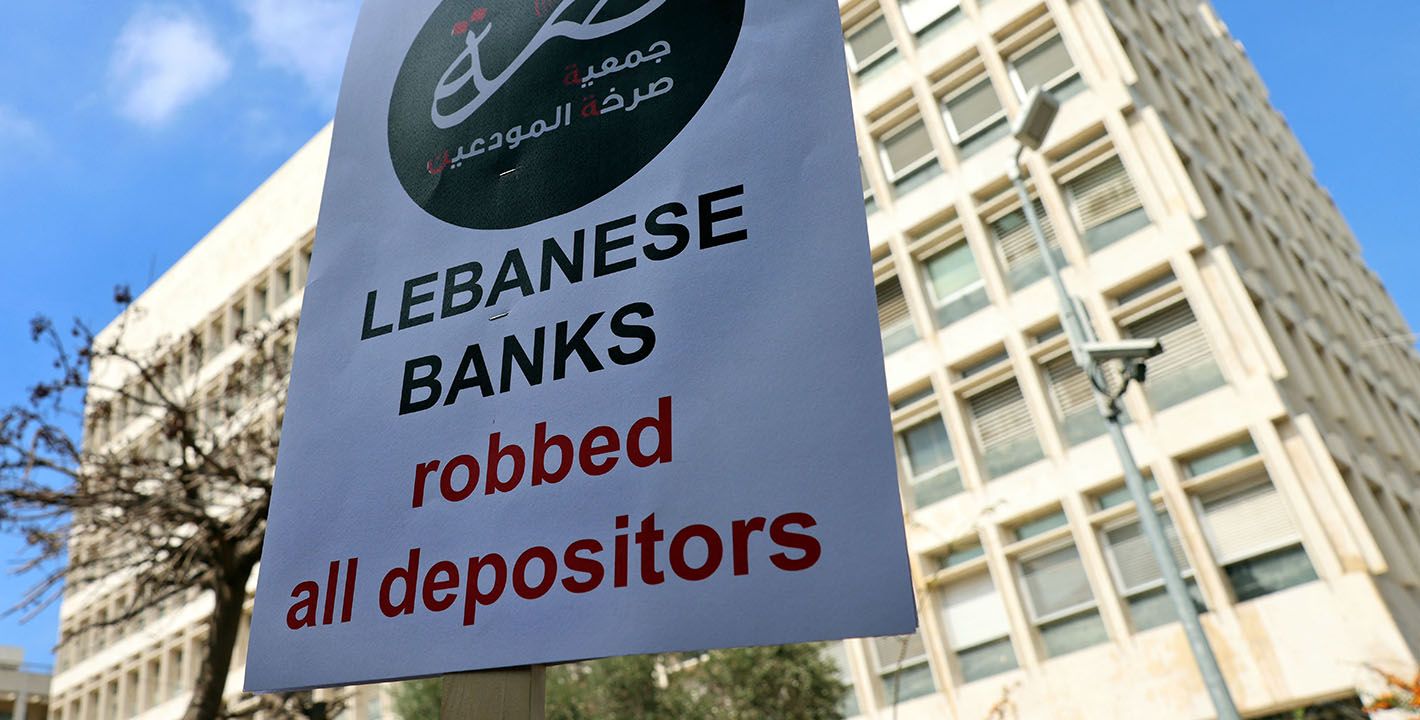
In an interview, Ishac Diwan looks at the merits and flaws in the draft legislation distributing losses from the financial collapse.

Michael Young
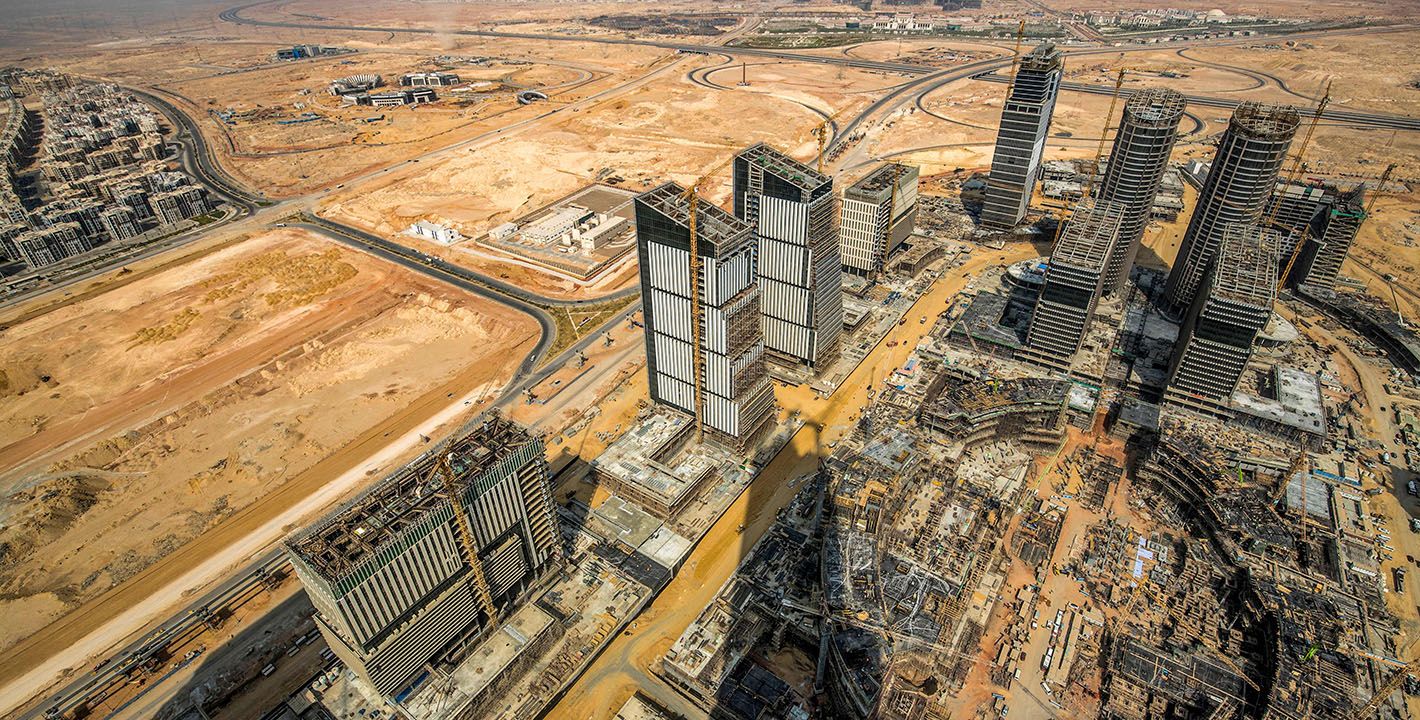
Mustaqbal Misr has expanded its portfolio with remarkable speed, but a lack of transparency remains.
Yezid Sayigh