

Commentary
In an interview, Rozina Ali discusses her new book on the rise and manifestations of Islamophobia in the United States.
Michael Young
{
  "authors": [
    "Kevin P. Gallagher"
  ],
  "type": "other",
  "centerAffiliationAll": "",
  "centers": [
    "Carnegie Endowment for International Peace"
  ],
  "collections": [],
  "englishNewsletterAll": "",
  "nonEnglishNewsletterAll": "",
  "primaryCenter": "Carnegie Endowment for International Peace",
  "programAffiliation": "",
  "programs": [],
  "projects": [],
  "regions": [
    "North America",
    "United States"
  ],
  "topics": [
    "Economy",
    "Trade",
    "Climate Change"
  ]
}
REQUIRED IMAGE
The U.S. Congress needs to examine the methods and process of environmental reviews under the Trade Act of 2002, which explicitly gives Congress the power to determine whether environmental issues are effectively incorporated into U.S. trade negotiations, to ensure they are used to inform trade negotiations in a timely manner.
Source: Carnegie
The Trade Act of 2002 explicitly gives Congress the power to determine whether environmental issues are effectively incorporated into U.S. trade negotiations through a process called Environmental Reviews—written assessments that examine the potential environmental benefits and costs of agreements under consideration. Earlier U.S. attempts at conducting these reviews have fallen short of providing timely and useful information to policy makers.
This policy brief argues that Congress needs to examine the methods and process of environmental reviews under the Trade Act of 2002 to ensure they are used to inform trade negotiations in a timely manner.
A limited number of print copies are available.
Request a copy
About the Author
Kevin P. Gallagher is a research associate with the Global Development and Environment Institute, Fletcher School of Law and Diplomacy, Tufts University, where he examines the social and environmental effects of economic integration in the Western Hemisphere, particularly in Mexico. He has written extensively on international economics, trade and environment, including most recently International Trade and Sustainable Development, and Transboundary Environmental Negotiation.
The Trade, Equity, and Development (TED) Series is part of an effort by Carnegie's Trade, Equity, and Development Project to broaden the debate surrounding trade liberalization to include perspectives not normally present in the Washington policy community.
Kevin P. Gallagher
Carnegie does not take institutional positions on public policy issues; the views represented herein are those of the author(s) and do not necessarily reflect the views of Carnegie, its staff, or its trustees.
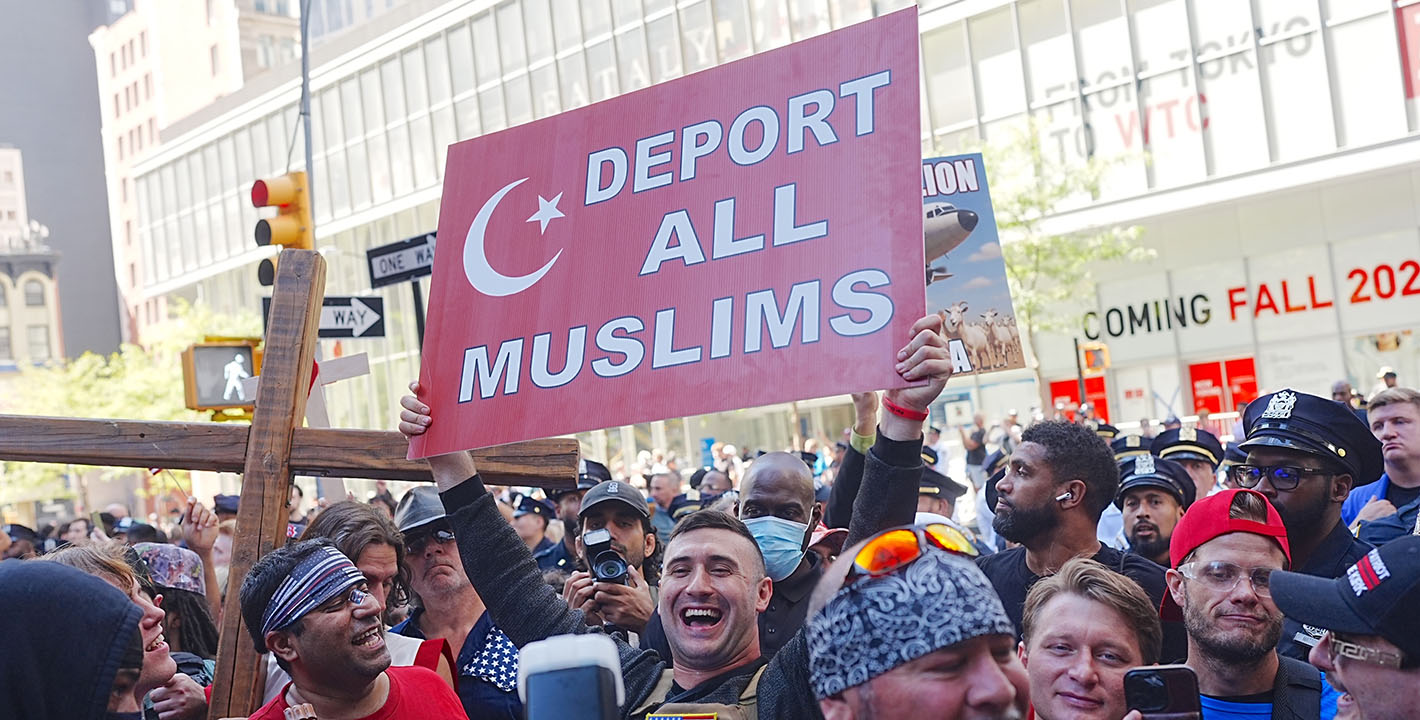
In an interview, Rozina Ali discusses her new book on the rise and manifestations of Islamophobia in the United States.

Michael Young

In an interview, Ian Lustick and Eli Clifton discuss their new book on why a prominent ally has so much influence in America.
Michael Young

As the U.S. stumbles in its war with Iran, we are likely to see an acceleration of its disengagement from the region.
Michael Young

Middle Eastern states should welcome an accelerated U.S. disengagement from their region.
Michael Young

In an interview, former ambassador Charles Freeman assesses the Trump administration’s war against Iran.
Michael Young