

Article
Dr. Albert Keidel
{
  "authors": [
    "Albert Keidel"
  ],
  "type": "legacyinthemedia",
  "centerAffiliationAll": "dc",
  "centers": [
    "Carnegie Endowment for International Peace"
  ],
  "collections": [],
  "englishNewsletterAll": "asia",
  "nonEnglishNewsletterAll": "",
  "primaryCenter": "Carnegie Endowment for International Peace",
  "programAffiliation": "AP",
  "programs": [
    "Asia"
  ],
  "projects": [],
  "regions": [
    "China"
  ],
  "topics": [
    "Economy",
    "Trade"
  ]
}
REQUIRED IMAGE
Source: Paper presented at the POSRI International Forum on China's Development
This paper reviews China's current economy with an eye to its future prospects and the kinds of policies that can maximize the probability that China's growth by the middle of this century will leave it with a standard of living closer to that of Spain in the year 2000. The alternative is something more in the direction of a "sick man" or "chaos" scenario of weak growth, social and political unrest, and resulting international tensions, not to mention standard-of-living challenges for ordinary Chinese. The paper's approach is ad hoc, but the unifying theme is a skeptical view of any traditional market-oriented policy proposal that is not first tested against actual conditions in China's inherited environment of market failures and incomplete institutions. If Chinese policymakers continue to address the concerns highlighted in this paper and in some cases if they adjust their approach - especially in terms of rural grain policies - then prospects for continued high economic growth in China are quite good indeed.
For full text of article, click on the link to the right.
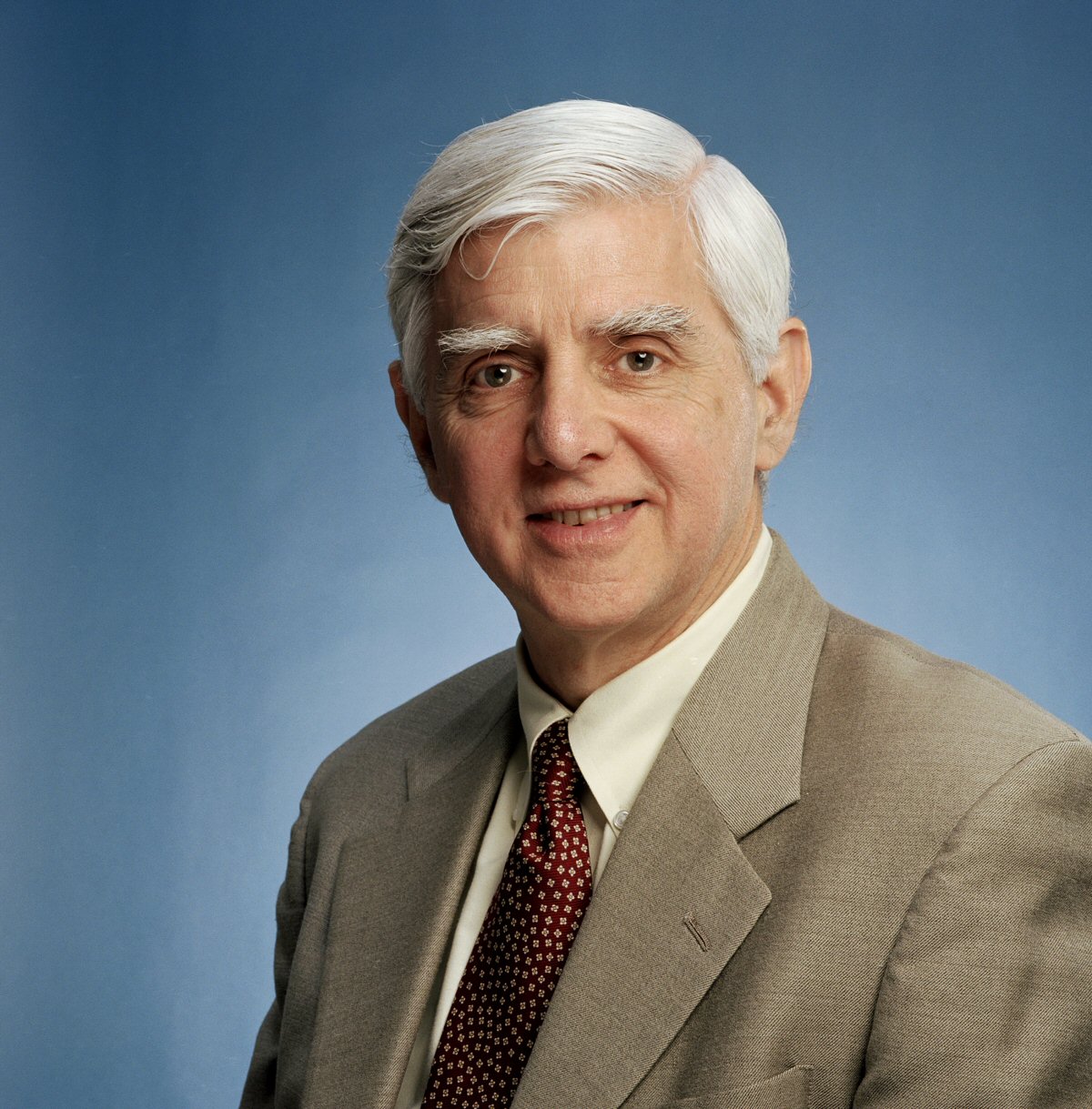
Former Senior Associate, China Program
Keidel served as acting director and deputy director for the Office of East Asian Nations at the U.S. Department of the Treasury. Before joining Treasury in 2001, he covered economic trends, system reforms, poverty, and country risk as a senior economist in the World Bank office in Beijing.
Recent Work
Dr. Albert Keidel
Dr. Albert Keidel

The armed forces champion a form of capitalism that is generating revenue, but its reliance on rent faces diminishing returns, leaving the country with massive sunk costs and deferred returns, deepening dependency on external borrowing.

Yezid Sayigh

Morocco and Algeria, each in its own way, are having to navigate the global economic fallout of the U.S.-Israeli military campaign against Iran.

Yasmine Zarhloule

In an interview, Ishac Diwan looks at the merits and flaws in the draft legislation distributing losses from the financial collapse.

Michael Young

Mustaqbal Misr has expanded its portfolio with remarkable speed, but a lack of transparency remains.
Yezid Sayigh
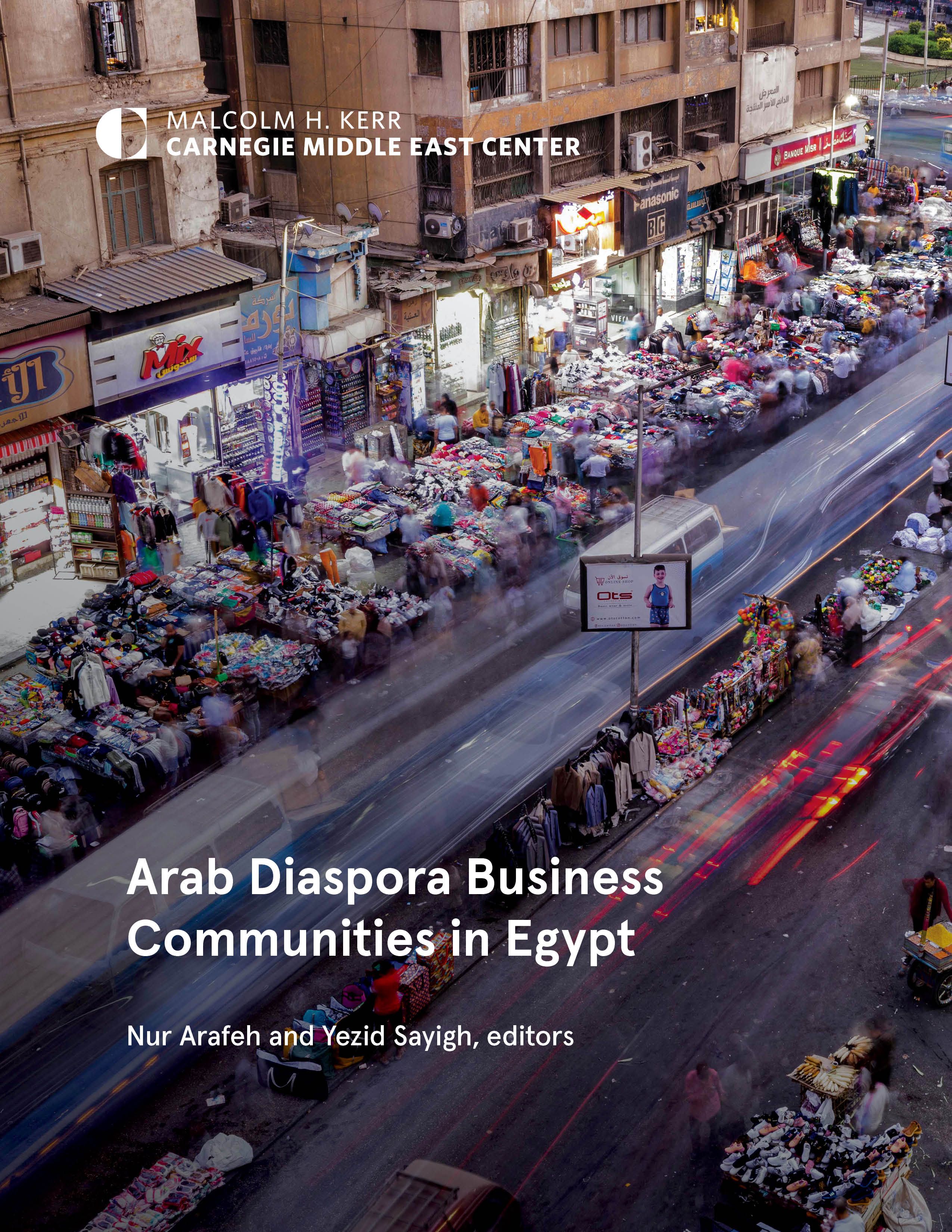
Arab diaspora business communities in Egypt often mirror the same systemic challenges facing Egyptian businesses.
Nur Arafeh, Yezid Sayigh, Qaboul al-Absi, …