

Article
Amr Hamzawy, Kathryn Selfe
{
  "authors": [
    "Amr Hamzawy"
  ],
  "type": "other",
  "centerAffiliationAll": "dc",
  "centers": [
    "Carnegie Endowment for International Peace"
  ],
  "collections": [],
  "englishNewsletterAll": "democracy",
  "nonEnglishNewsletterAll": "",
  "primaryCenter": "Carnegie Endowment for International Peace",
  "programAffiliation": "DCG",
  "programs": [
    "Democracy, Conflict, and Governance",
    "Middle East"
  ],
  "projects": [],
  "regions": [
    "Egypt"
  ],
  "topics": [
    "Political Reform"
  ]
}
REQUIRED IMAGE
Recent events in Egypt are again proving that far from championing democratic reforms, the Egyptian government continues to consolidate its own power. The January 29, 2005, arrest of Ayman Nour, a member of the Egyptian People’s Assembly and leader of the newly legalized liberal political party, Al Ghad (Tomorrow), serves as yet another example of Egypt’s persistent semiauthoritarianism.
Recent events in Egypt are again proving that far from championing democratic reforms, the Egyptian government continues to consolidate its own power. The January 29, 2005, arrest of Ayman Nour, a member of the Egyptian People’s Assembly and leader of the newly legalized liberal political party, Al Ghad (Tomorrow), serves as yet another example of Egypt’s persistent semiauthoritarianism.
Click on the link above for the full text of this Policy Outlook.
About the Author
Amr Hamzawy is a senior associate at the Carnegie Endowment, and a noted Egyptian
political scientist who previously taught at Cairo University and the Free University of Berlin. His research interests include the changing dynamics of political participation and the prospects of democratic transformation in the Arab world, with special attention both to Egypt and the Gulf countries.

Director, Middle East Program
Amr Hamzawy is a senior fellow and the director of the Carnegie Middle East Program. His research and writings focus on Egypt’s and other middle powers’ involvement in regional security in the Middle East, particularly through collective diplomacy and multilateral conflict resolution
Recent Work
Amr Hamzawy, Kathryn Selfe
Amr Hamzawy
Carnegie does not take institutional positions on public policy issues; the views represented herein are those of the author(s) and do not necessarily reflect the views of Carnegie, its staff, or its trustees.

The armed forces champion a form of capitalism that is generating revenue, but its reliance on rent faces diminishing returns, leaving the country with massive sunk costs and deferred returns, deepening dependency on external borrowing.

Yezid Sayigh
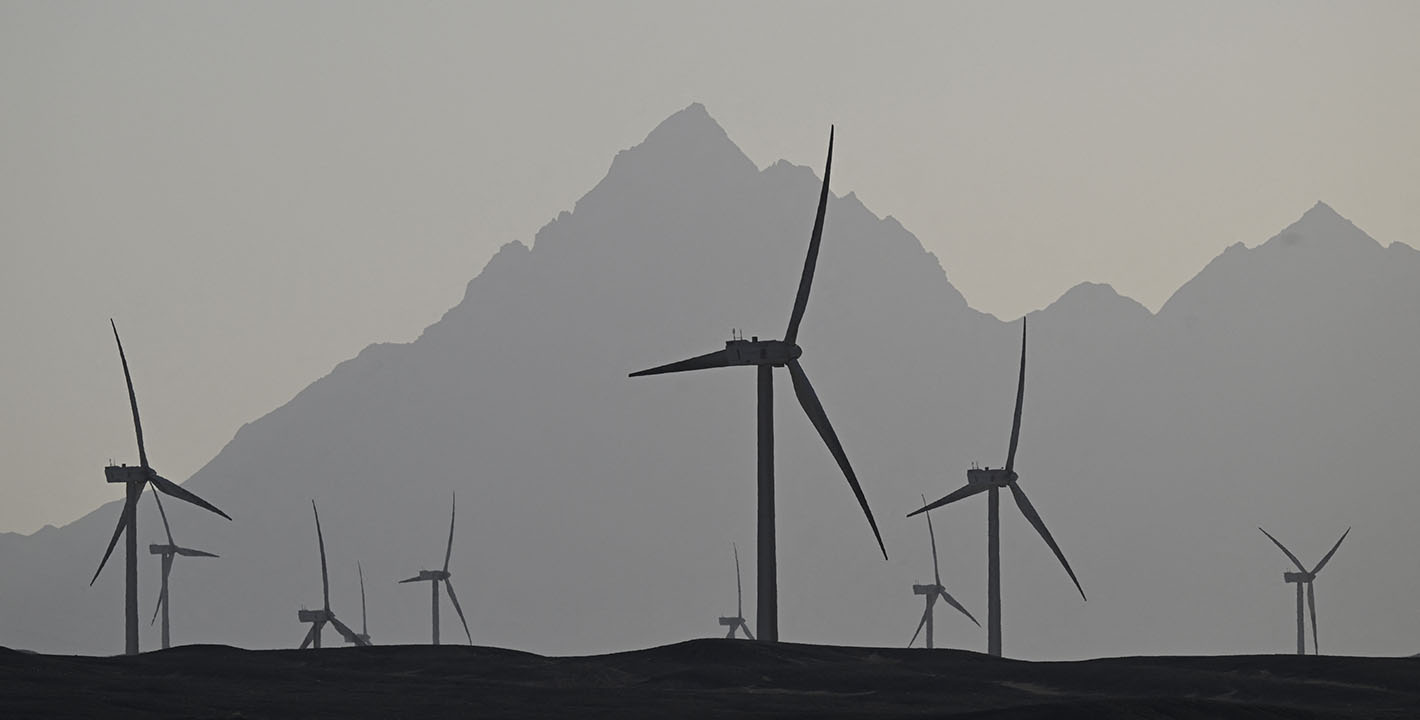
There is a disturbing structural parallel between the old global energy economy and the new green transition.

Angie Omar

This will be the region’s most representative tournament, amid broad changes in its footballing landscape.

Issam Kayssi
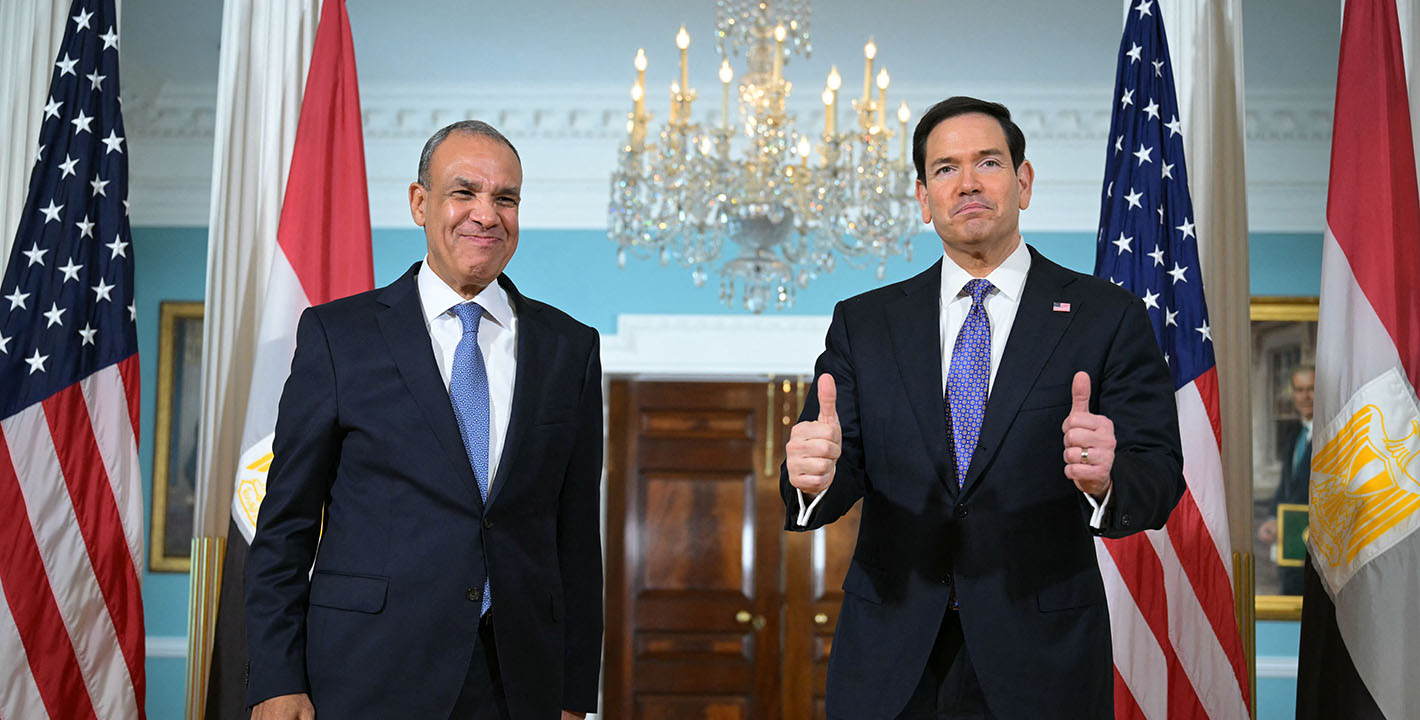
Cairo’s efforts send a message to the United States and the region that it still has a place at the diplomatic table.
Angie Omar
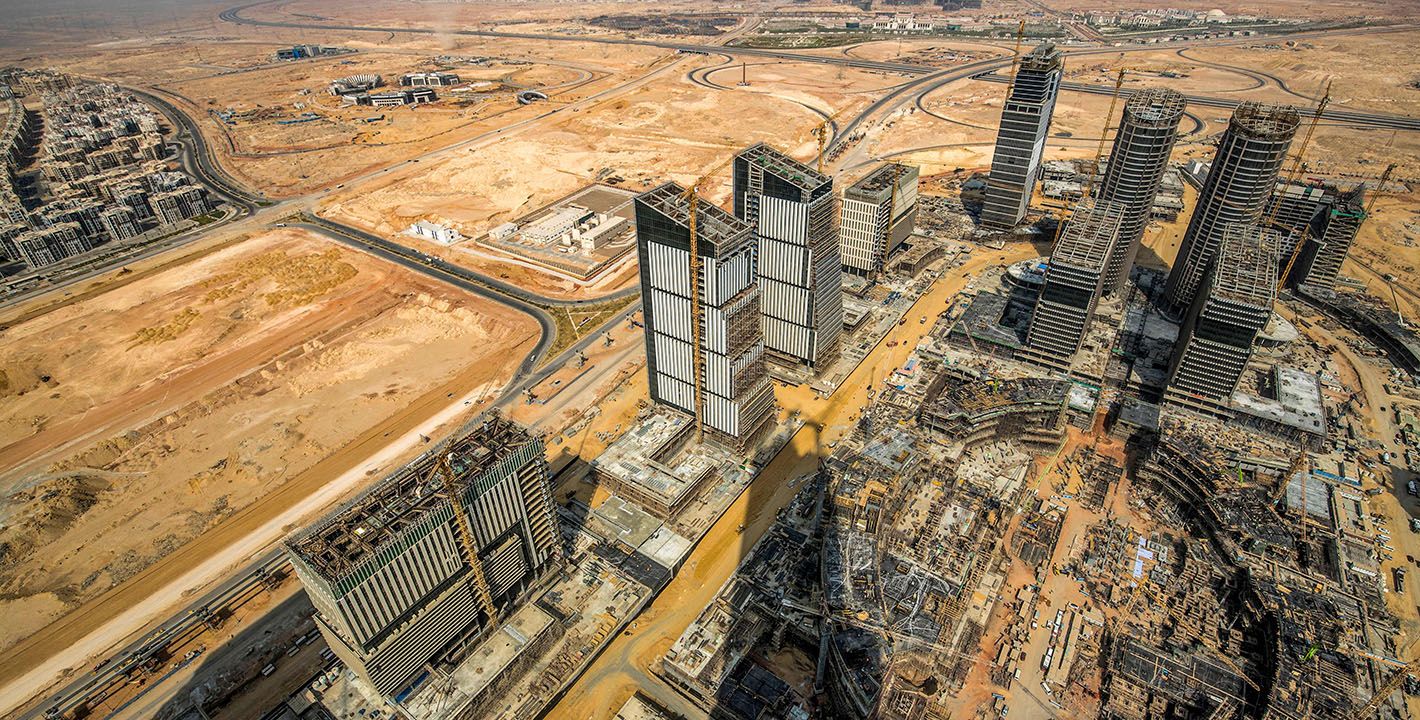
Mustaqbal Misr has expanded its portfolio with remarkable speed, but a lack of transparency remains.
Yezid Sayigh