

Article
Marina Ottaway, Omar Hossino
{
  "authors": [
    "Marina Ottaway"
  ],
  "type": "legacyinthemedia",
  "centerAffiliationAll": "dc",
  "centers": [
    "Carnegie Endowment for International Peace"
  ],
  "collections": [],
  "englishNewsletterAll": "democracy",
  "nonEnglishNewsletterAll": "",
  "primaryCenter": "Carnegie Endowment for International Peace",
  "programAffiliation": "DCG",
  "programs": [
    "Democracy, Conflict, and Governance",
    "Middle East"
  ],
  "projects": [],
  "regions": [],
  "topics": [
    "Political Reform"
  ]
}
REQUIRED IMAGE
Source: New York Times
The skyrocketing price of oil in the last two years has translated into a projected 42 percent increase in net oil export revenue for OPEC countries. While the global economic impact of this jump remains unclear, it also threatens to have a perverse political impact: even as the Bush administration pushes the promotion of democracy in the Middle East and elsewhere, market forces have given oil-rich autocratic regimes new revenue with which to dispense patronage and buy off popular discontent.Oil and democracy do not mix easily in countries that depend highly on oil revenue. Among the 10 top oil exporters, only two (Mexico and Norway) are truly democratic and only three (Nigeria, Russia and Venezuela), have even limited elements of democracy. Of course, countries that do not export oil can also be undemocratic, but evidence shows that oil revenue flowing freely into government coffers has a particularly pernicious effect, encouraging corruption and lack of accountability and fostering systems based on patronage rather than popular representation. For countries that discover large amounts of oil before their economies become diversified and their regimes democratic, oil can easily become a curse.
Higher revenue will not eliminate all causes of social discontent in oil-producing countries or silence all demands for political change. For the younger generation in Iran chafing under the restrictions imposed by the clerics, or Saudi reformers seeking modernization, additional government spending will not decrease discontent. But for the impoverished populations of Venezuela or Nigeria, and perhaps in the future for the people of Iraq, increased government spending can foster acquiescence.
Oil prices will remain high for the foreseeable future, yielding more revenue to shore up authoritarian regimes and thus making transitions to democracy more difficult. It is imperative for the international community, led by the United States, to increase its so far timid efforts to curb the political and developmental harm that oil revenue causes in poor countries.
Some potentially far-reaching solutions are already in progress or on the table. In Chad, the World Bank has insisted that 72 percent of all dividends and royalties from fields developed with one of its loans be spent on health, education, rural development and other investments to fight poverty. It is still unclear whether such domestic and international supervision of spending will be effective. It is already clear that supervision will not be extended to the revenue from new fields being developed without World Bank loans. Less needy now that oil has started to flow, the Chad government is reasserting its independence.
Other ambitious models, like the "future generations" trust fund set up by Norway to spread the benefits of oil over time, or the distribution of some oil revenue directly to citizens, as is done in Alaska, cannot work in autocratic countries with few other sources of revenue. They require strong, efficient and honest government, as well as enough tax revenue from other sources to pay for public services. They are unthinkable in corrupt, oil-dependent Nigeria, for example, or in an Iraq that needs to rebuild its shattered economy right now.
The most promising initiatives so far are those that seek to put in the hands of citizens more information about how much revenue their governments receive and how they spend it, so they can demand accountability. The Extractive Industries Transparency Initiative, started in 2002 with the support of the British government, helps governments, industry representatives and citizens' organizations collect and reconcile information on revenue from oil and other minerals.
But so far only four countries are involved - Azerbaijan, Kyrgyzstan, Nigeria and Ghana. The initiative, furthermore, does not monitor how the money is spent. Major international organizations like Global Witness, Oxfam, Save the Children and Transparency International have begun a "Publish What You Pay Campaign" to pressure oil companies to disclose the payments they make to governments in resource-rich countries.
These initiatives, still too new to assess their degree of success, are steps in the right direction. But participation is voluntary and backing by some key players is weak - the United States in particular opposes compulsory disclosure and has stayed aloof even from voluntary mechanisms.
The international community needs to push Western oil companies and recipient governments to disclose information and help citizens to use it to hold governments accountable. It also needs to secure the cooperation of state oil companies from countries like China and Malaysia, which have ignored demands for disclosure. The time to do so is now, when oil prices are high, and the sharp increase in producing countries' revenue could translate into real progress for poor countries if well used, or perpetuate the curse if it serves to shore up corrupt authoritarian governments.
Marina Ottaway is a senior associate in the Democracy and Rule of Law Project at the Carnegie Endowment for International Peace.
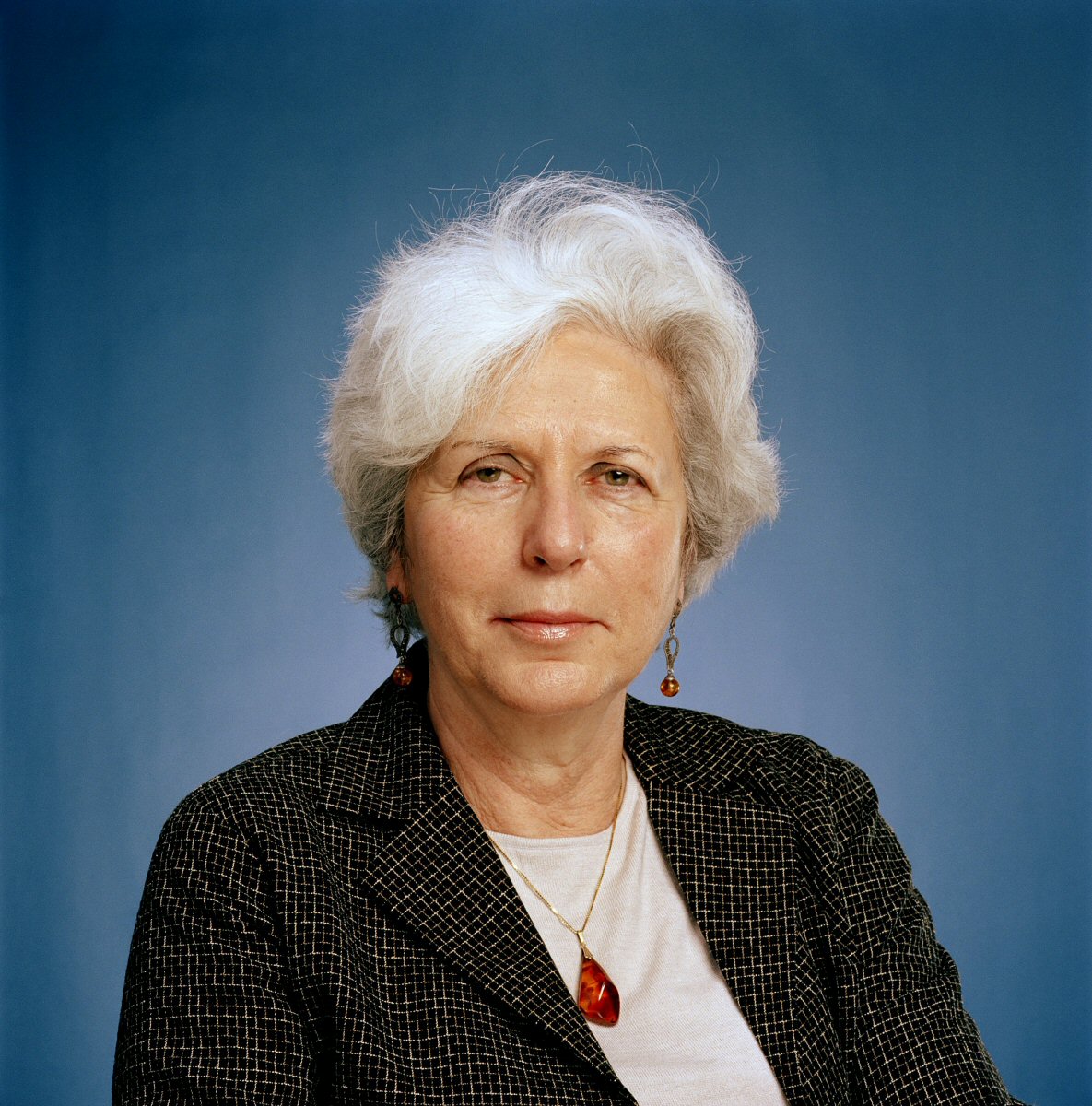
Former Senior Associate, Middle East Program
Before joining the Endowment, Ottaway carried out research in Africa and in the Middle East for many years and taught at the University of Addis Ababa, the University of Zambia, the American University in Cairo, and the University of the Witwatersrand in South Africa.
Recent Work
Marina Ottaway, Omar Hossino
Marina Ottaway
Carnegie does not take institutional positions on public policy issues; the views represented herein are those of the author(s) and do not necessarily reflect the views of Carnegie, its staff, or its trustees.
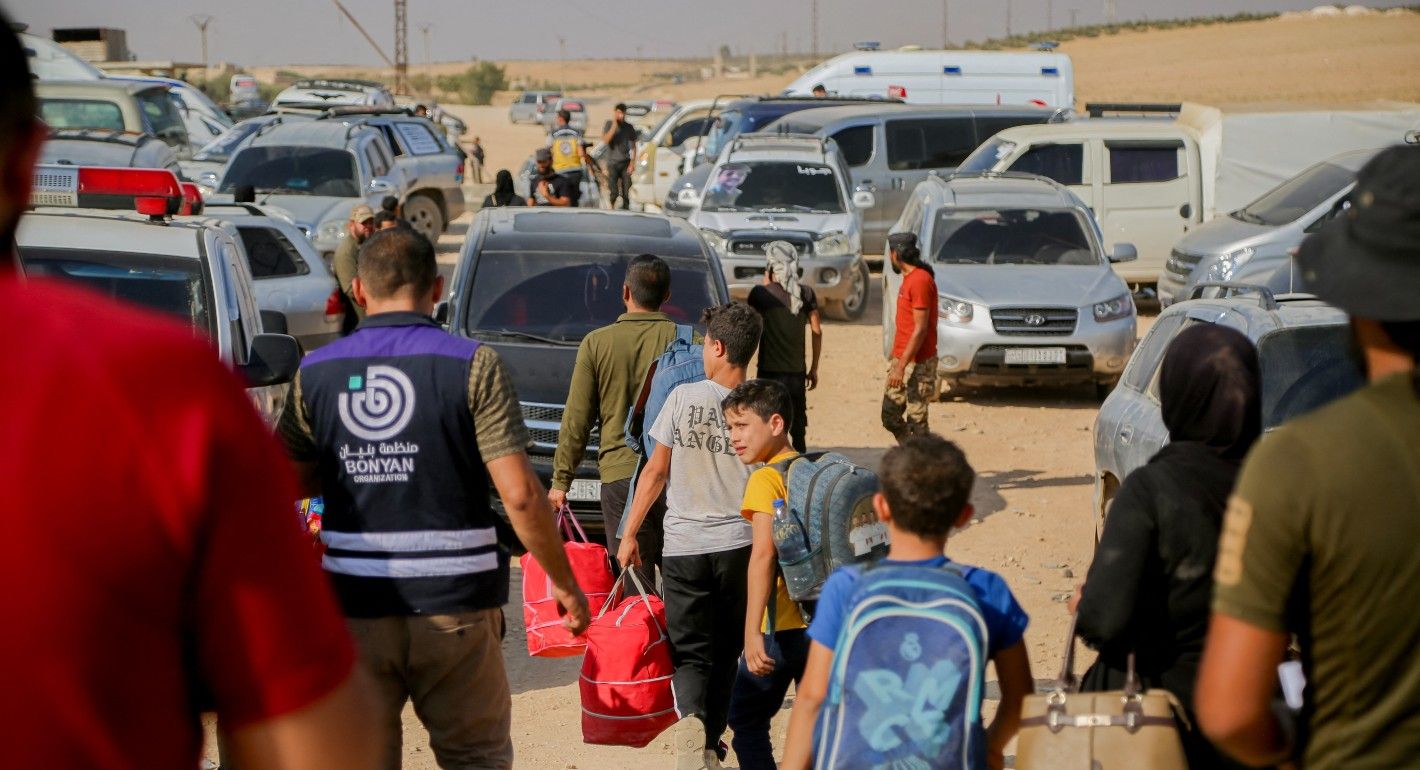
A humanitarian crisis in Lebanon deepens, and Syrian refugees face a perilous choice: remain in a war-torn environment or return to Syria where they risk encountering significant dangers and discrimination. There are significant challenges and risks to their search for safety in Syria.
Haid Haid
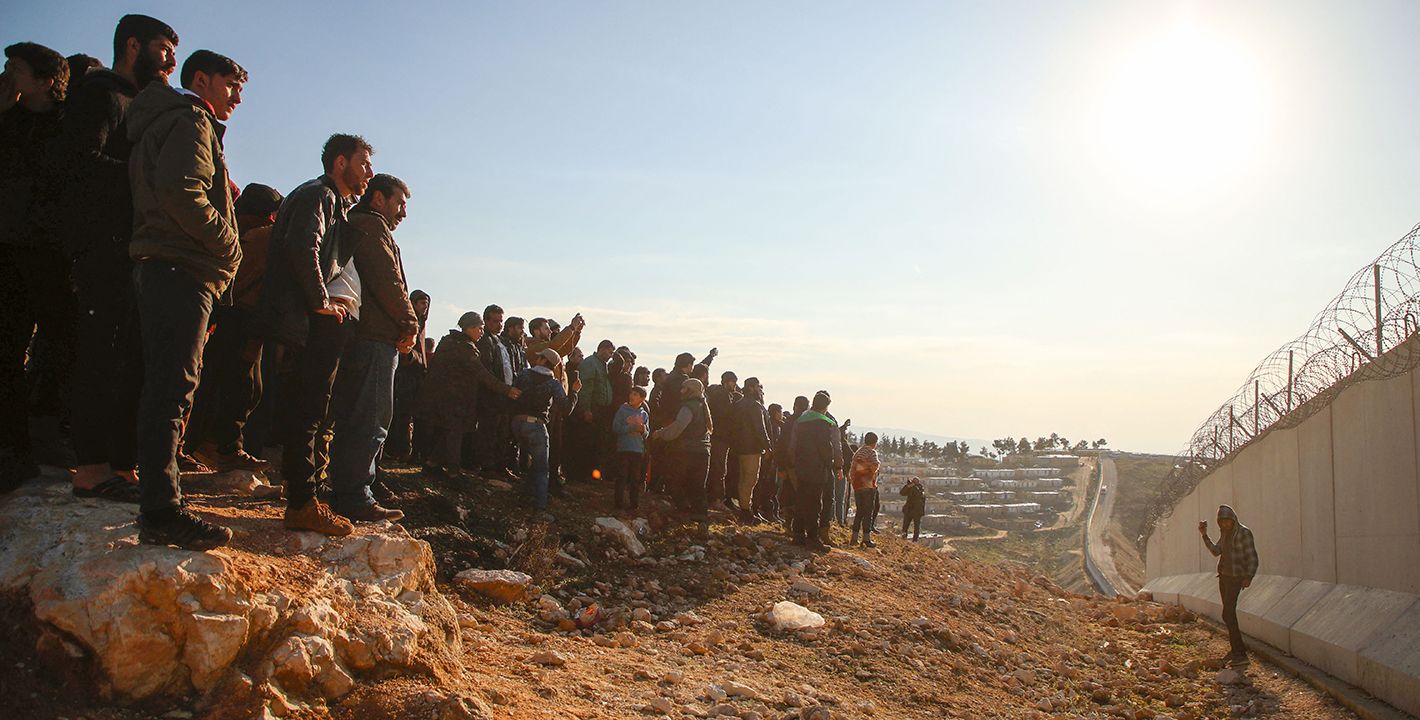
In Syria’s border regions, changes in demographics, economics, and security mean that an inter-Syrian peace process will require consensus among main regional powers that Syria must remain united, that no one side can be victorious, and that perennial instability threatens the region.

Kheder Khaddour, Armenak Tokmajyan
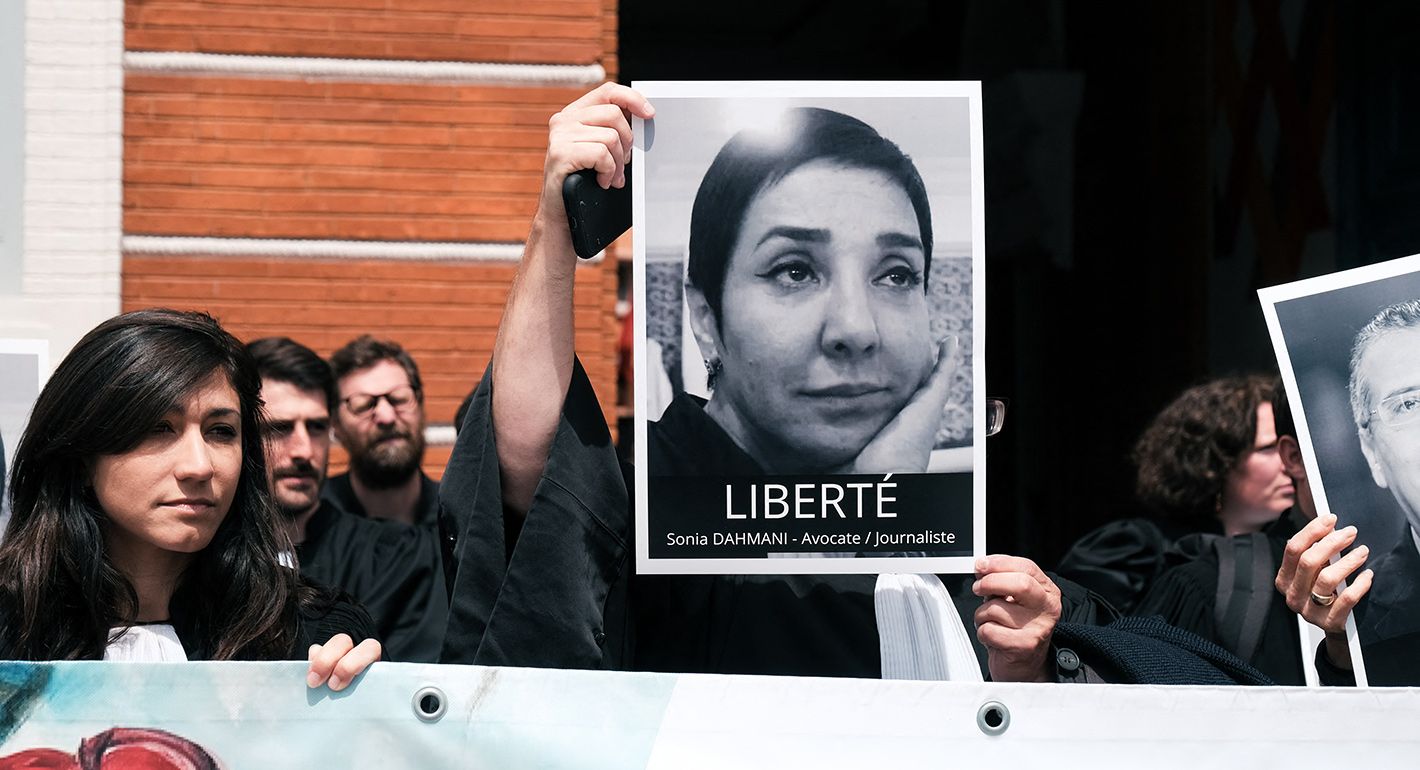
For many in the society, the post-Ben Ali years were mainly about successive economic crises and political instability.
Jasmine Khelil
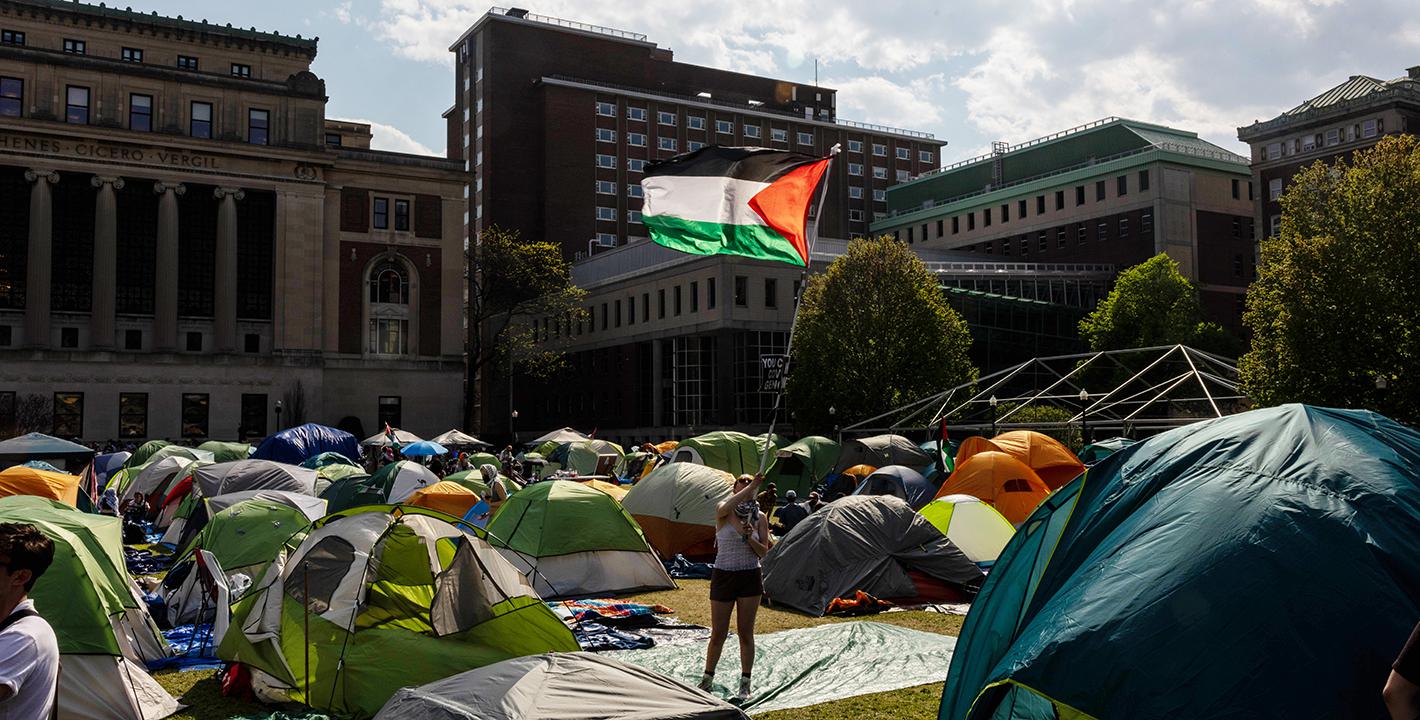
As students around the United States and Europe protest, the relationship of Western elites with Israel is being redefined.

Michael Young
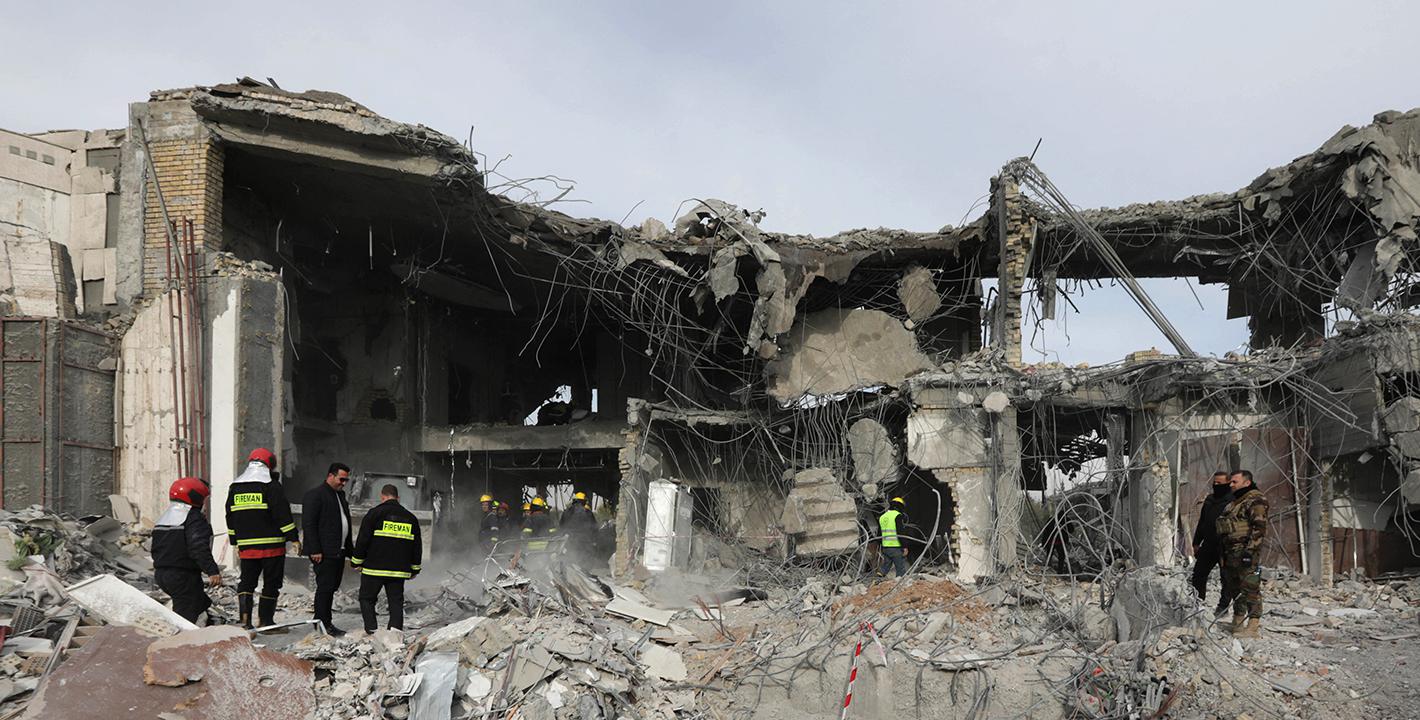
When U.S. Patriots shot down an Iranian missile over Erbil on April 15, Kurds wondered why such defenses weren’t activated when they were attacked.
Wladimir van Wilgenburg