

Article
Frederic Grare
{
  "authors": [
    "Frederic Grare"
  ],
  "type": "other",
  "centerAffiliationAll": "dc",
  "centers": [
    "Carnegie Endowment for International Peace"
  ],
  "collections": [],
  "englishNewsletterAll": "ctw",
  "nonEnglishNewsletterAll": "",
  "primaryCenter": "Carnegie Endowment for International Peace",
  "programAffiliation": "SAP",
  "programs": [
    "South Asia"
  ],
  "projects": [],
  "regions": [
    "South Asia",
    "Pakistan"
  ],
  "topics": [
    "Political Reform"
  ]
}
REQUIRED IMAGE
Source: Carnegie Endowment
In a new Carnegie Policy Brief, Pakistan: The Myth of an Islamist Peril, Visiting Scholar Frederic Grare argues that the risk of an Islamist takeover in Pakistan is a myth invented by the Pakistani military to consolidate its hold on power. In fact, religious political parties and militant organizations are manipulated by the Pakistani Army to achieve its own objectives, domestically and abroad. The army, not the Islamists, is the real source of insecurity on the subcontinent. Sustainable security and stability in the region will be achieved only through the restoration of democracy in Pakistan.
Grare suggests that the West should actively promote the demilitarization of Pakistan’s political life through a mix of political pressure and capacity building. Enlarging the pool of elites and creating alternative centers of power will be essential for developing a working democracy in Pakistan.
Click on link above for the full text of this Policy Brief.
A limited number of print copies are available.
Request a copy
About the Author
Frederic Grare is a visiting scholar with the Global Policy Project at the Carnegie Endowment. He has written extensively on security issues, Islamist movements, and sectarian conflict in Pakistan and Afghanistan.

Former Nonresident Senior Fellow, South Asia Program
Frédéric Grare was a nonresident senior fellow at the Carnegie Endowment for International Peace, where his research focuses on Indo-Pacific dynamics, the search for a security architecture, and South Asia Security issues.
Recent Work
Frederic Grare
Frederic Grare
Carnegie does not take institutional positions on public policy issues; the views represented herein are those of the author(s) and do not necessarily reflect the views of Carnegie, its staff, or its trustees.
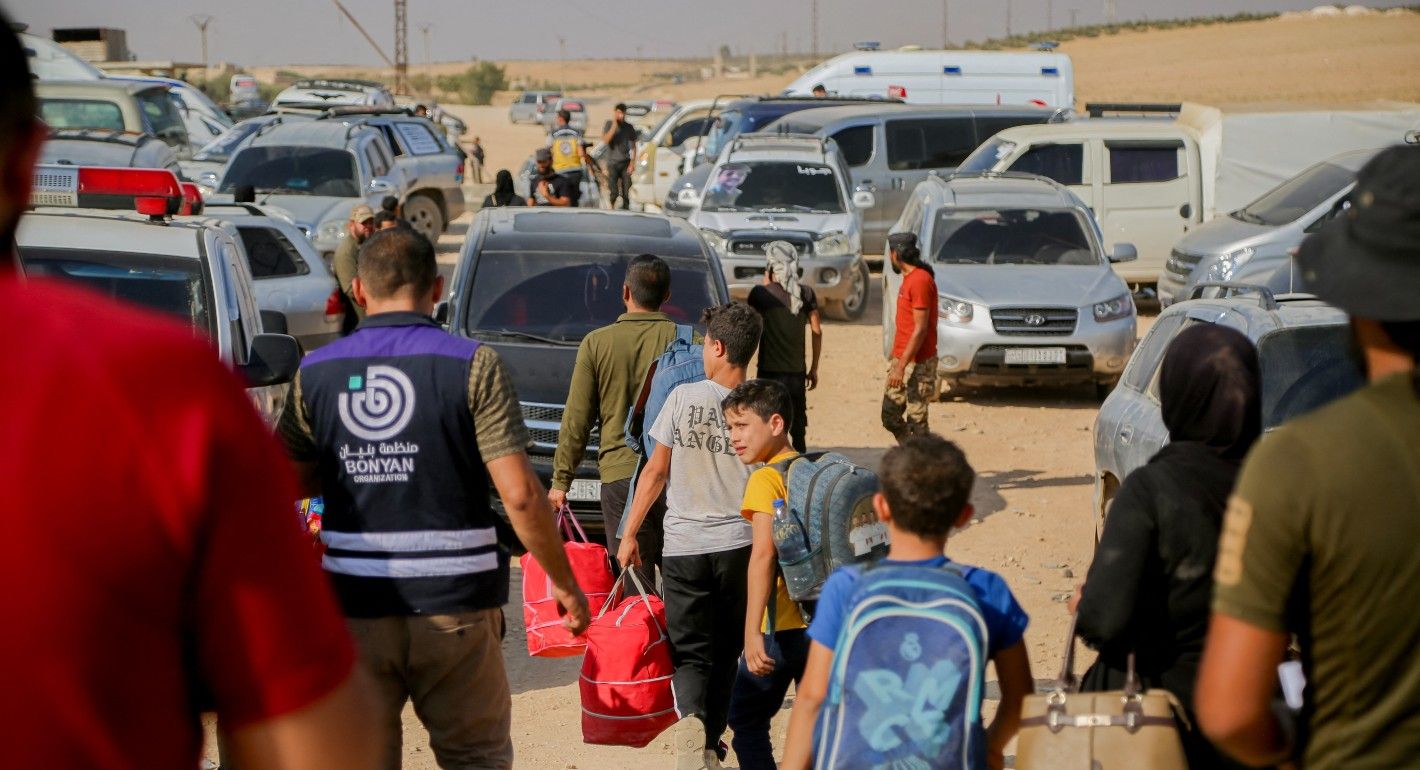
A humanitarian crisis in Lebanon deepens, and Syrian refugees face a perilous choice: remain in a war-torn environment or return to Syria where they risk encountering significant dangers and discrimination. There are significant challenges and risks to their search for safety in Syria.
Haid Haid
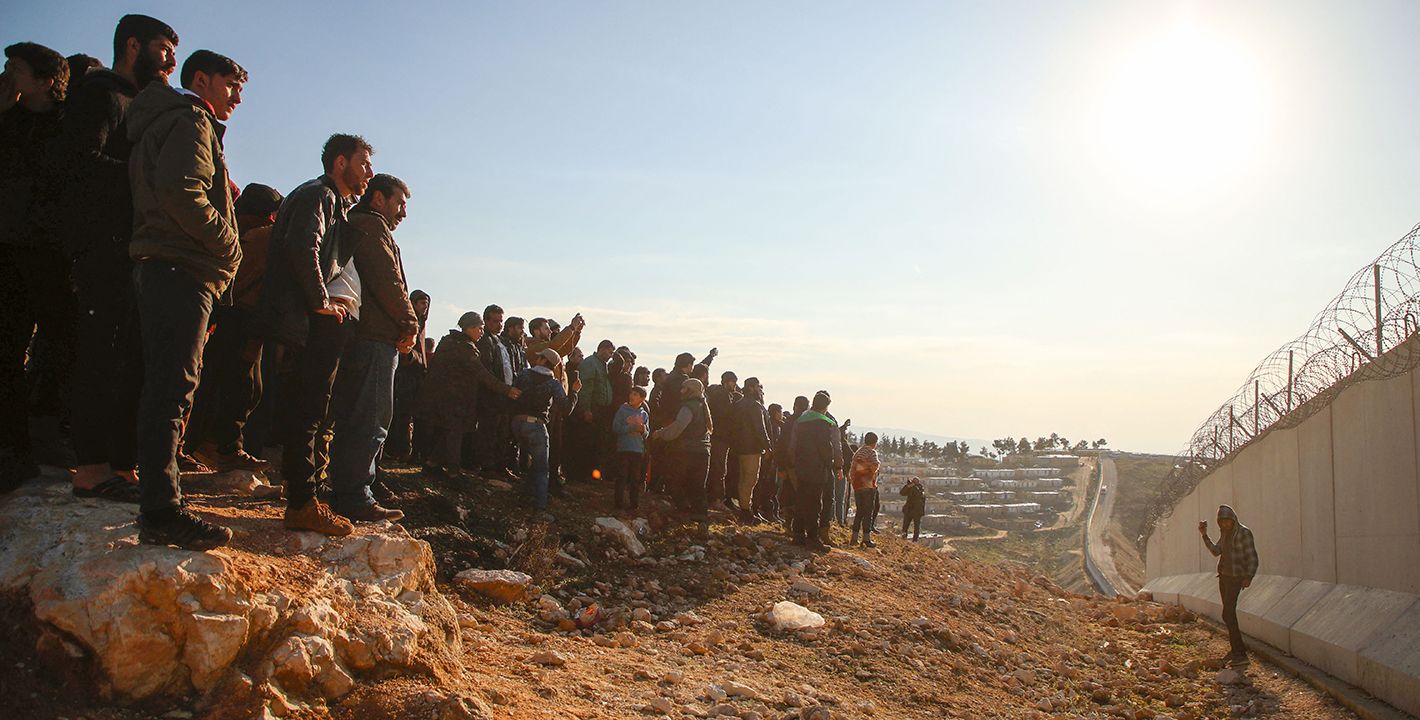
In Syria’s border regions, changes in demographics, economics, and security mean that an inter-Syrian peace process will require consensus among main regional powers that Syria must remain united, that no one side can be victorious, and that perennial instability threatens the region.
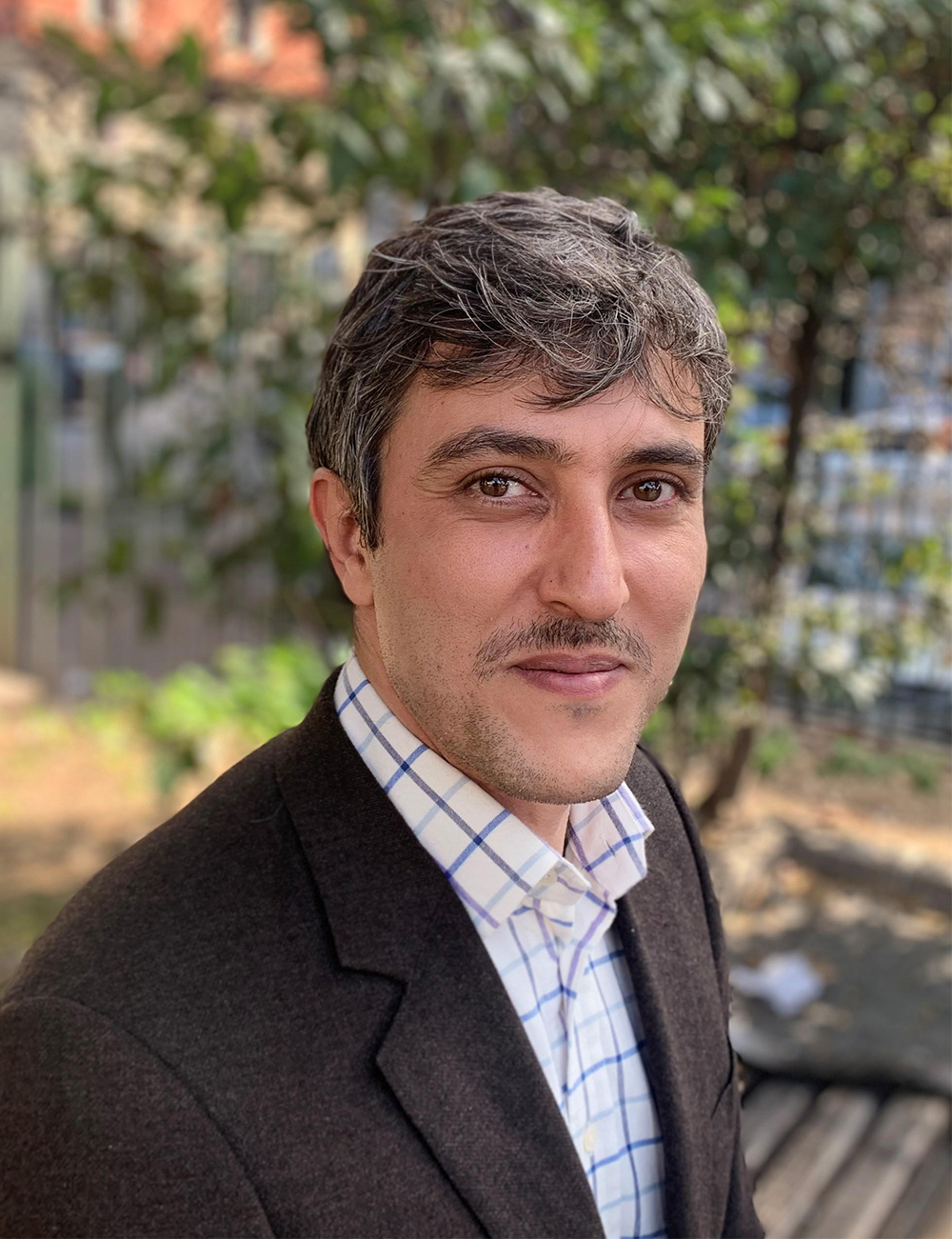

Kheder Khaddour, Armenak Tokmajyan
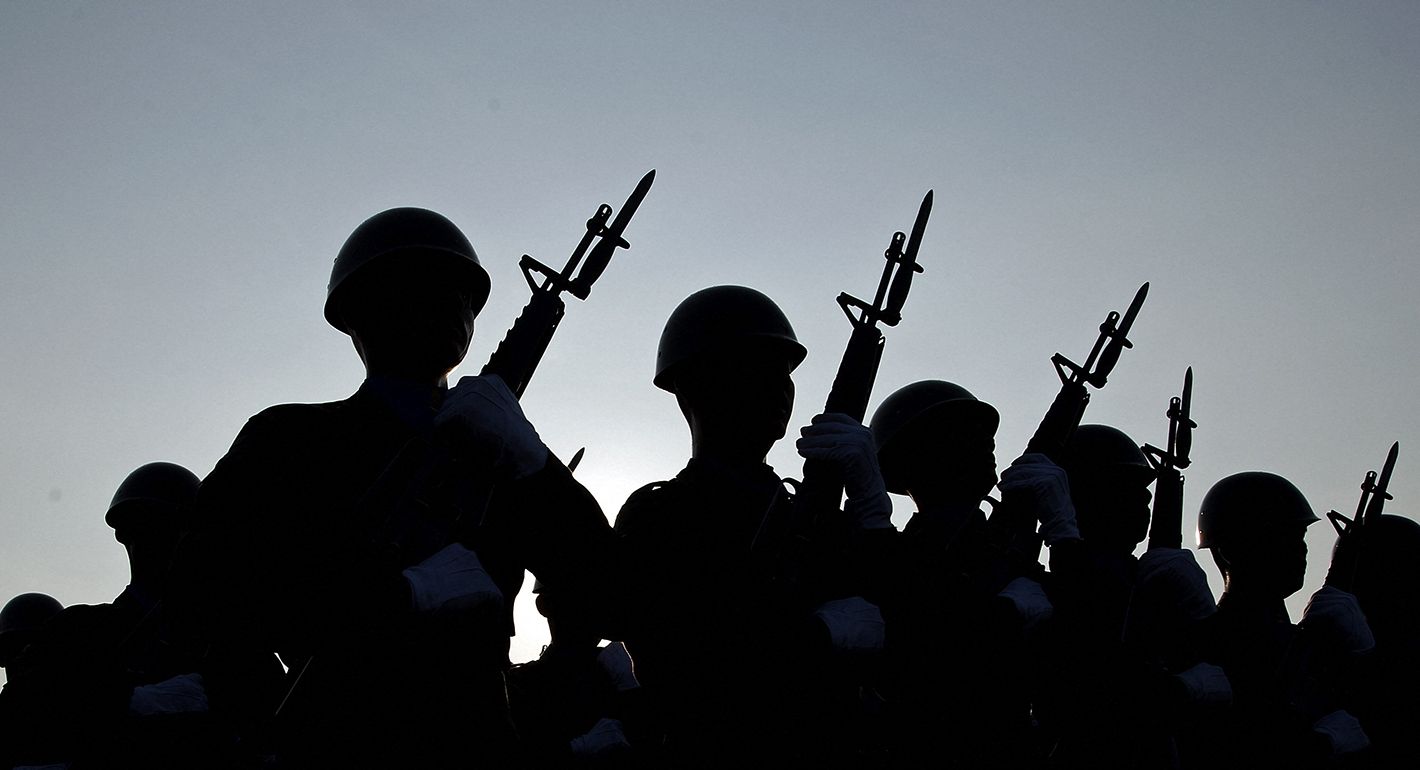
The interaction of national armed forces and private business sectors offers a useful lens for viewing the politics of numerous countries of the so-called Global South. A rising trend of military political activism—often accompanied by military commercial activity—underlines the importance of drivers and outcomes in these relationships.

Yezid Sayigh, Hamza Meddeb
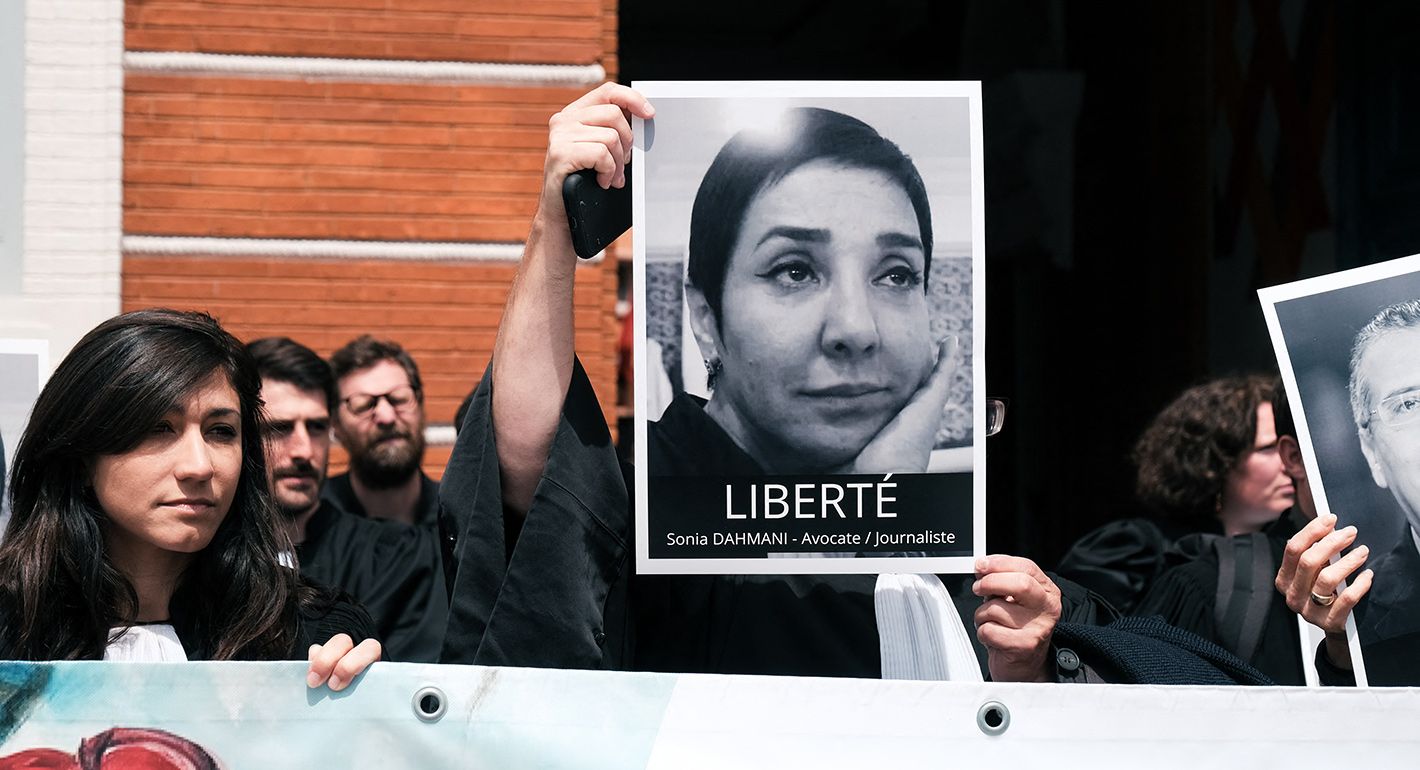
For many in the society, the post-Ben Ali years were mainly about successive economic crises and political instability.
Jasmine Khelil
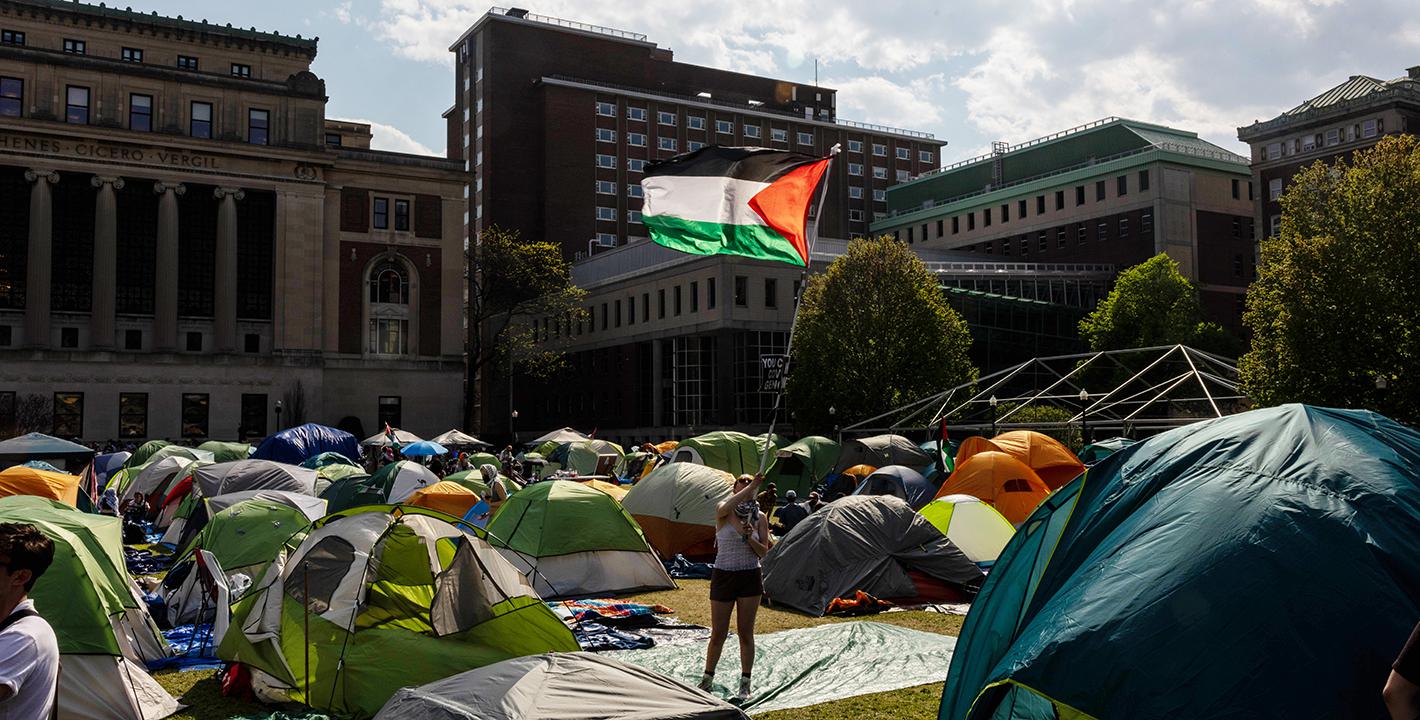
As students around the United States and Europe protest, the relationship of Western elites with Israel is being redefined.

Michael Young