

Article
Pierre Goldschmidt
{
  "authors": [
    "Pierre Goldschmidt"
  ],
  "type": "testimony",
  "centerAffiliationAll": "dc",
  "centers": [
    "Carnegie Endowment for International Peace"
  ],
  "collections": [
    "U.S. Nuclear Policy",
    "Korean Peninsula"
  ],
  "englishNewsletterAll": "ctw",
  "nonEnglishNewsletterAll": "",
  "primaryCenter": "Carnegie Endowment for International Peace",
  "programAffiliation": "NPP",
  "programs": [
    "Nuclear Policy"
  ],
  "projects": [],
  "regions": [
    "North America",
    "United States",
    "Middle East",
    "Iran",
    "Iraq",
    "South Asia",
    "India",
    "Pakistan",
    "South Korea",
    "Caucasus",
    "Russia",
    "United Kingdom"
  ],
  "topics": [
    "Nuclear Policy",
    "Nuclear Energy"
  ]
}
Source: Getty
The international community should stand back and reflect on the lessons learned from the International Atomic Energy Agency's (IAEA) experience in implementing safeguards over the last decade, particularly in North Korea and Iran. Such review and reflection suggests that just when safeguards are getting better, the political will to use them effectively seems to be waning.
Source: Charlottesville Committee on Foreign Relations Speech

Alexis de Tocqueville (1805-1859) stated: "In politics what is often most difficult to understand and appraise is what is taking place under our eyes."
De Tocqueville's insight suggests that it would be wise for the international community to stand back and to reflect on the lessons that should be learned from the International Atomic Energy Agency's (IAEA) experience in implementing safeguards over the last decade, particularly in North Korea and Iran. Such review and reflection will suggest that, ironically, just when safeguards are getting better, the political will to use them effectively seems to be waning.
This paper will explore how safeguards have gotten better, what lessons can be gleaned from the IAEA's experience over the last decade, and how the international community can address the problems that have arisen in the past few years.
Click here to access the full text of the speech (PDF).
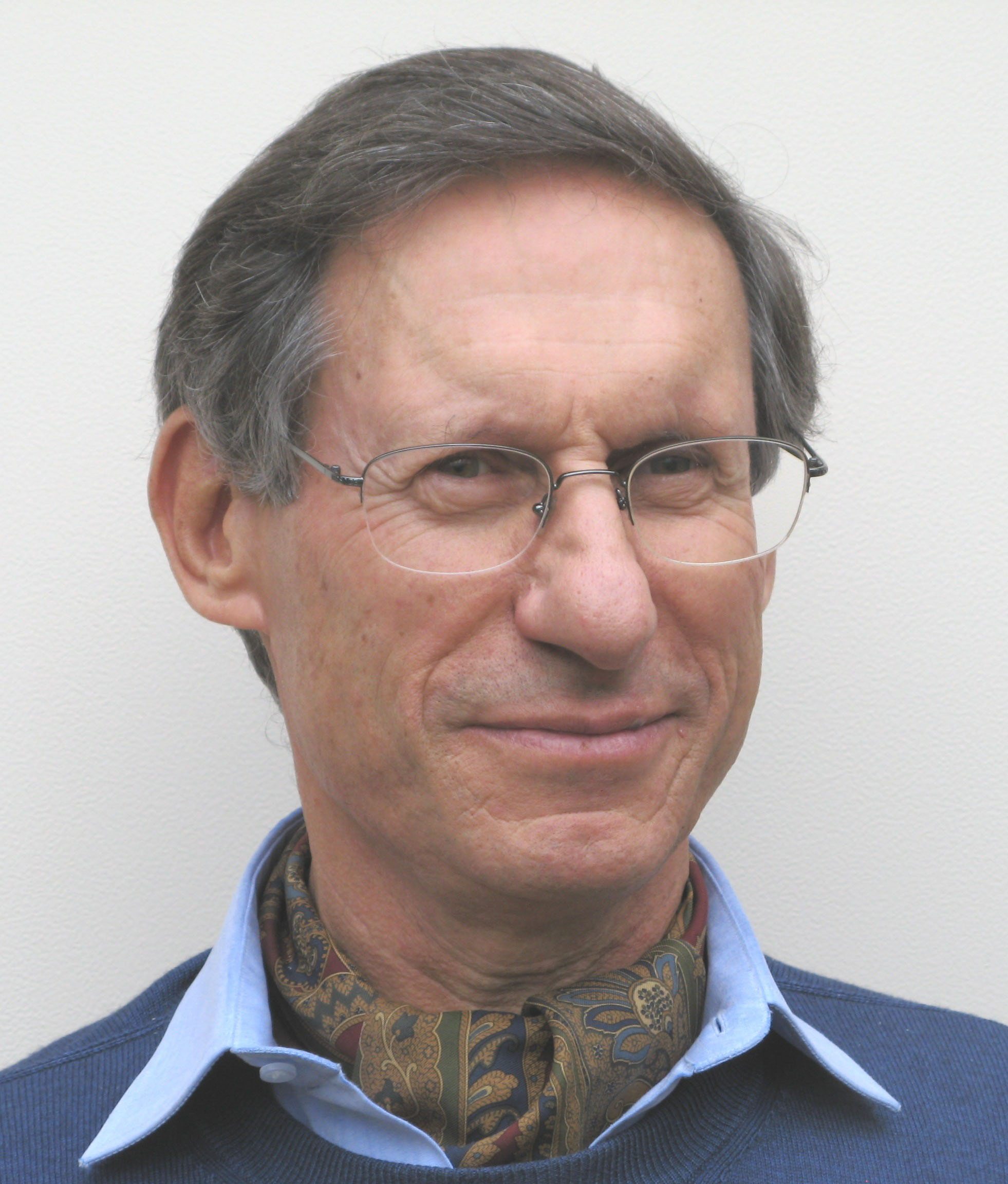
Former Nonresident Senior Associate, Nuclear Policy Program
Goldschmidt was a nonresident senior associate at the Carnegie Endowment.
Recent Work
Pierre Goldschmidt
Pierre Goldschmidt
Carnegie does not take institutional positions on public policy issues; the views represented herein are those of the author(s) and do not necessarily reflect the views of Carnegie, its staff, or its trustees.
A prerequisite of serious talks is that the country’s leadership consolidates majority national support for such a process.

Michael Young
In an interview, Jim Lamson discusses the ongoing regional conflict and sees an unclear picture when it comes to winners and losers.
Michael Young
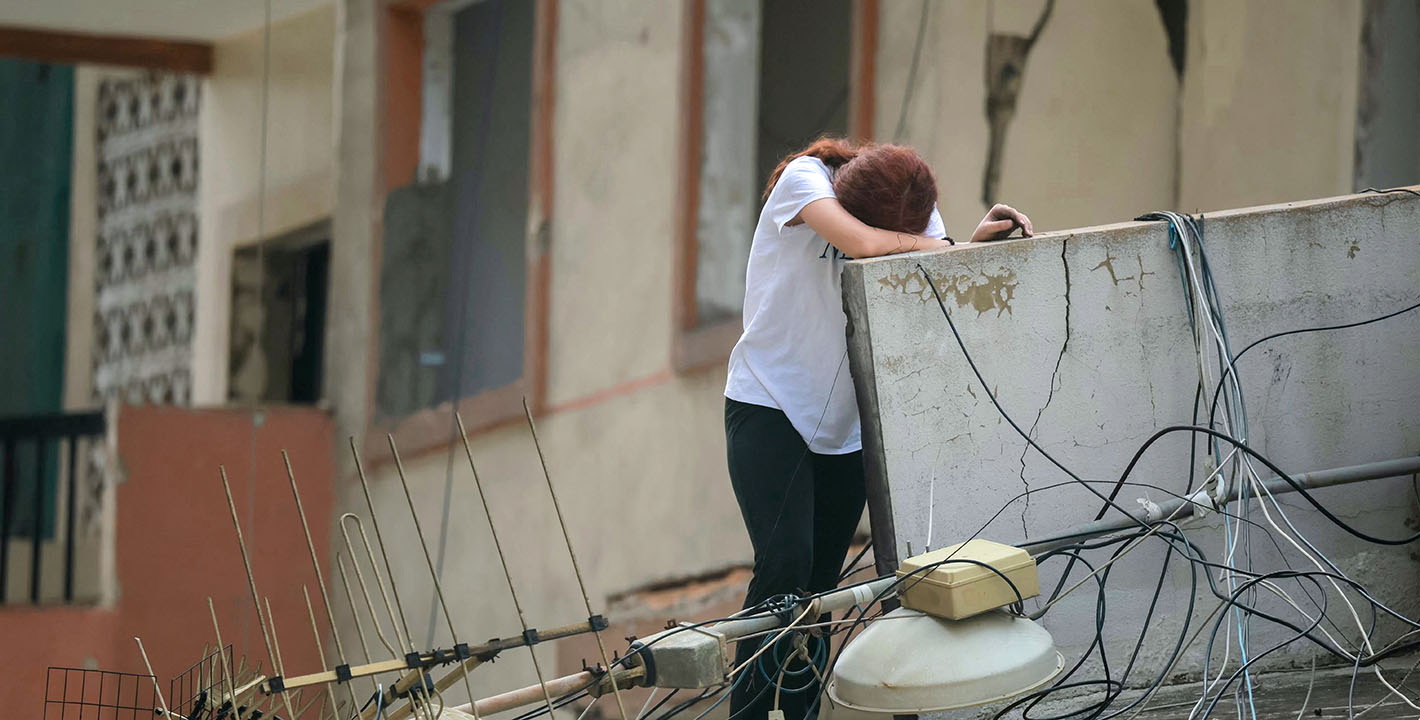
Unless Beirut lowers expectations, any setbacks will end up bolstering Hezbollah’s narrative.

Mohanad Hage Ali
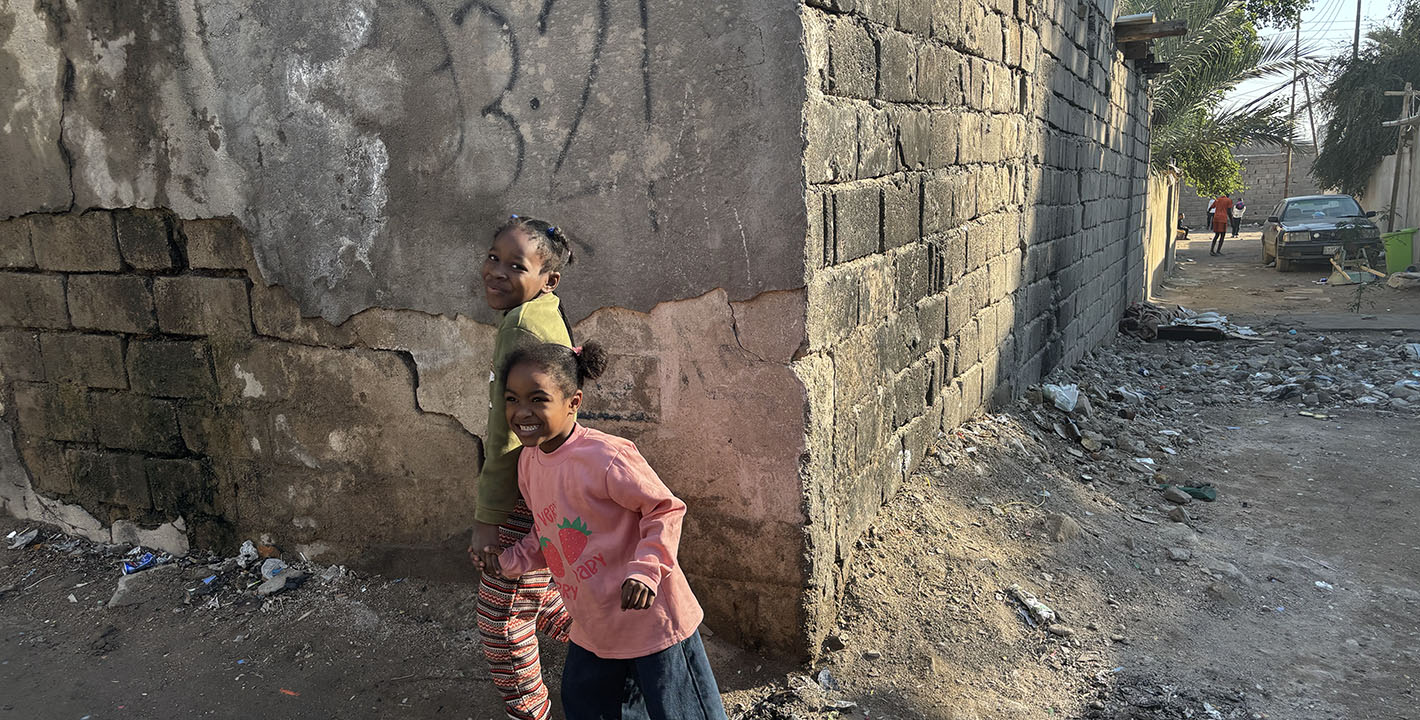
Afro-Iraqis experience political, economic, and social marginalization and discrimination, which exposes the poorest members of the community to the harsh realities of the region’s climate disaster.
Zeinab Shuker
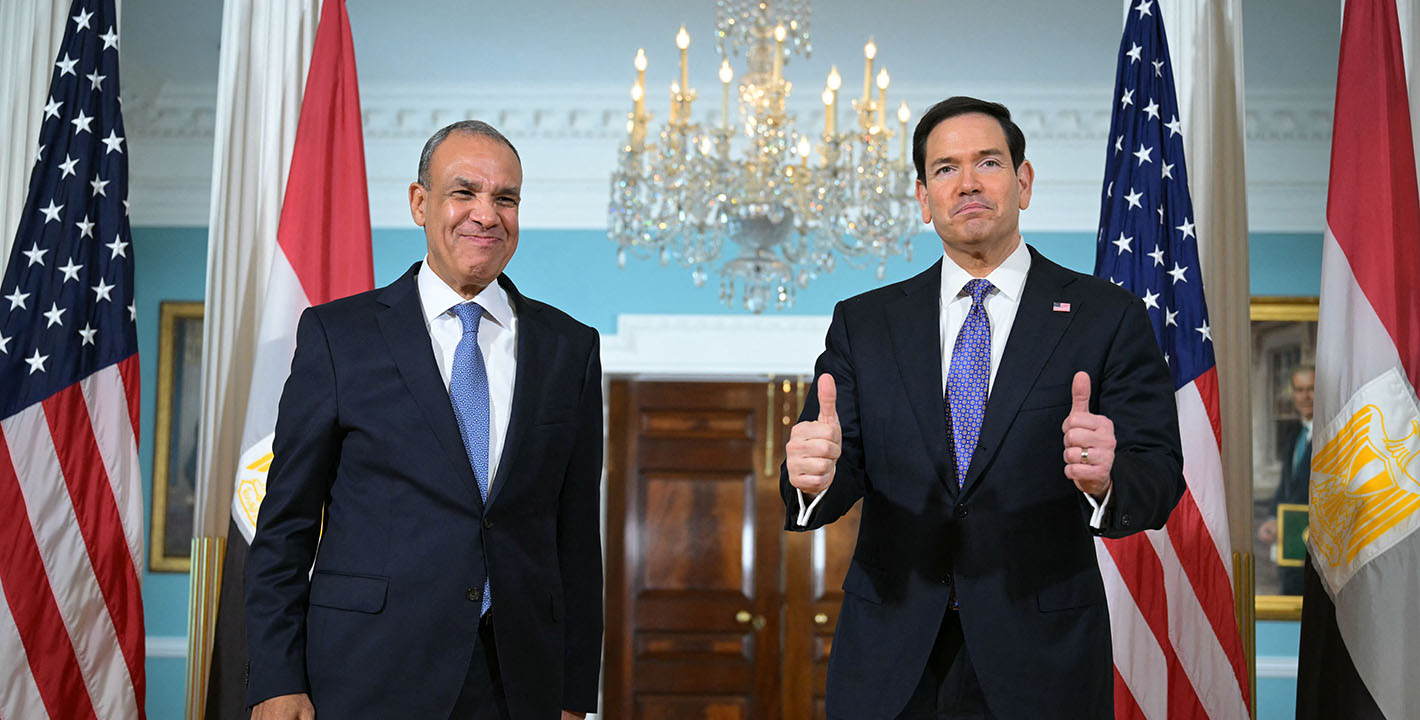
Cairo’s efforts send a message to the United States and the region that it still has a place at the diplomatic table.

Angie Omar