

Commentary
Nathan J. Brown
{
  "authors": [
    "Nathan J. Brown"
  ],
  "type": "legacyinthemedia",
  "centerAffiliationAll": "dc",
  "centers": [
    "Carnegie Endowment for International Peace"
  ],
  "collections": [],
  "englishNewsletterAll": "democracy",
  "nonEnglishNewsletterAll": "",
  "primaryCenter": "Carnegie Endowment for International Peace",
  "programAffiliation": "DCG",
  "programs": [
    "Democracy, Conflict, and Governance",
    "Middle East"
  ],
  "projects": [],
  "regions": [
    "Kuwait"
  ],
  "topics": [
    "Political Reform"
  ]
}
REQUIRED IMAGE
When the polls open in Kuwait on Thursday, Kuwaiti women will be able to cast their votes for national candidates for the first time in the country's history. This election has huge implications for the role of women in Kuwaiti society, the future of Kuwaiti politics and democratic reform in the region at large.
Source: Newsweek Interview


Nonresident Senior Fellow, Middle East Program
Nathan J. Brown, a professor of political science and international affairs at George Washington University, is a distinguished scholar and author of nine books on Arab politics and governance, as well as editor of five books.
Recent Work
Nathan J. Brown
Nathan J. Brown
Carnegie does not take institutional positions on public policy issues; the views represented herein are those of the author(s) and do not necessarily reflect the views of Carnegie, its staff, or its trustees.
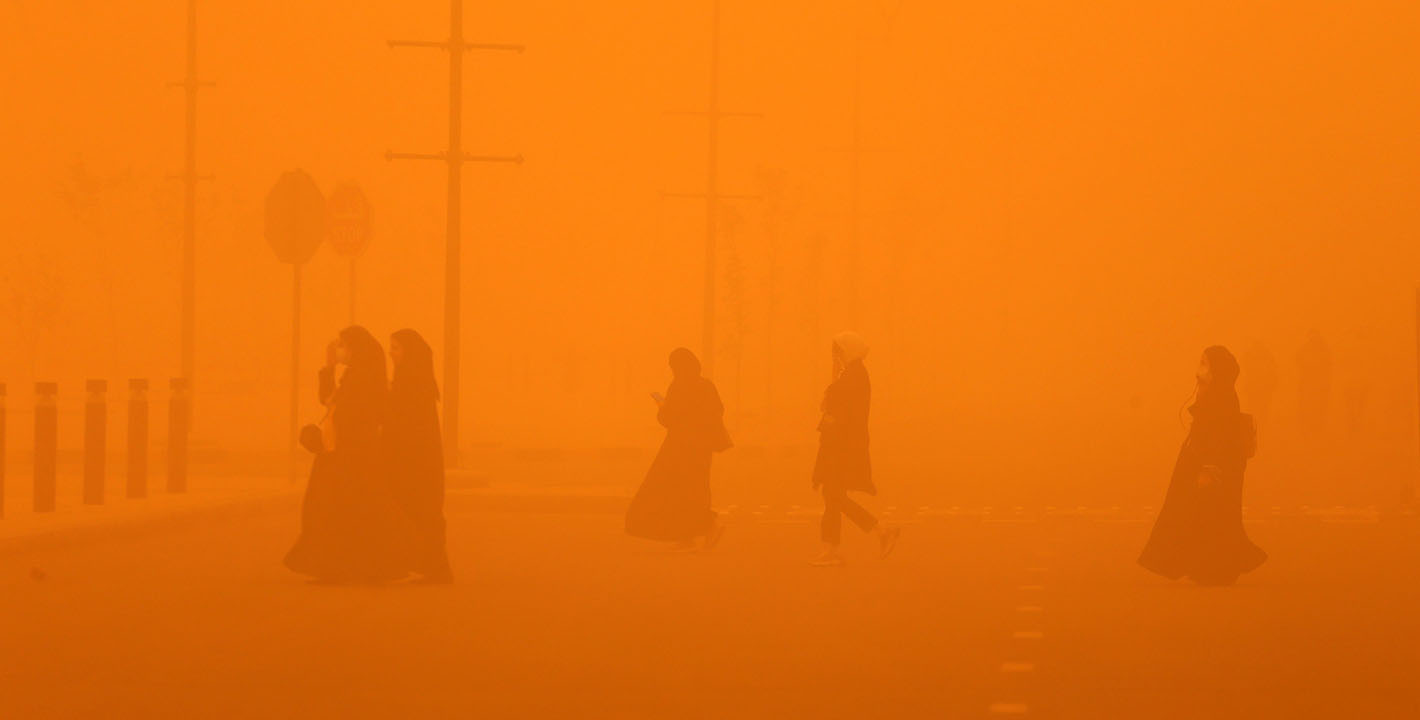
Mitigating the repercussions of climate change in Kuwait is crucial for lessening economic disparities and achieving social justice.

Courtney Freer
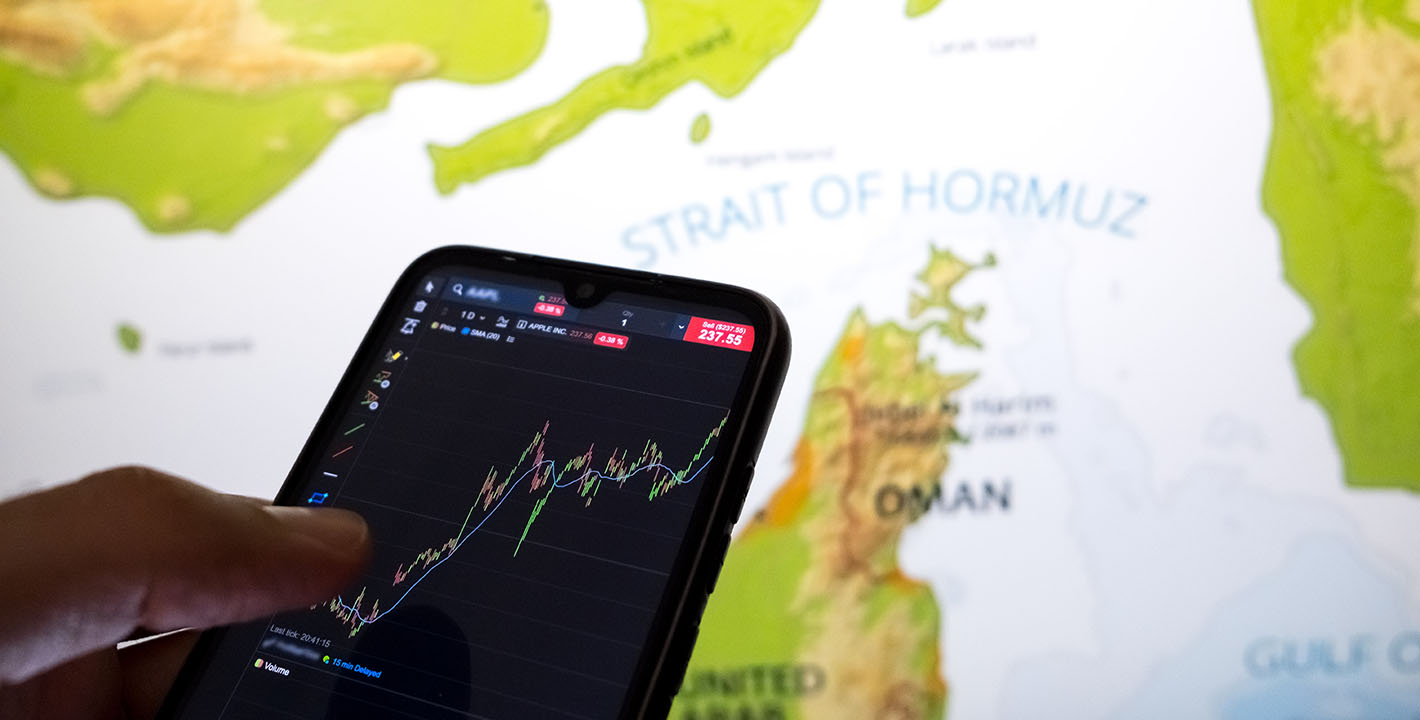
In an interview, Roger Diwan discusses where the global economy may be going in the third week of the U.S.-Israeli war with Iran.
Nur Arafeh
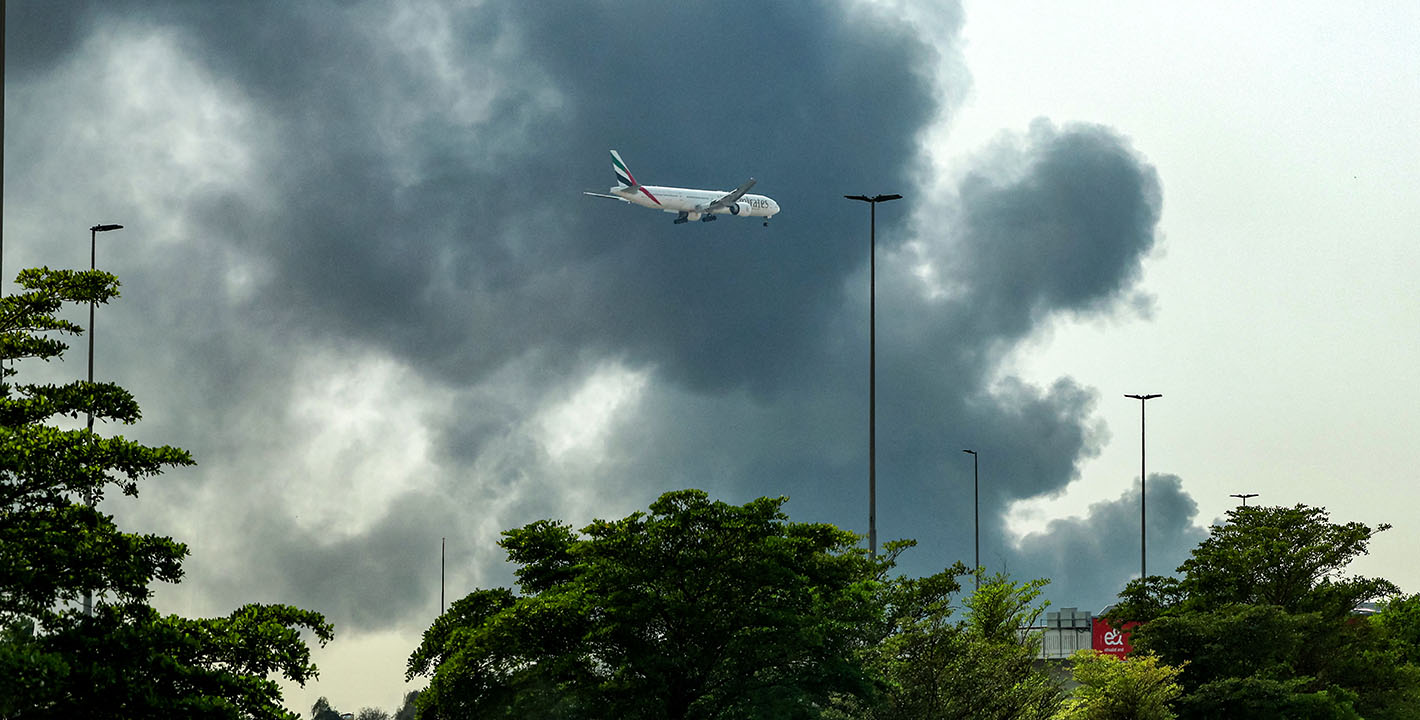
In an interview, Andrew Leber discusses the impact the U.S. and Israeli war against Iran is having on Arab Gulf states.

Michael Young

The GCC states are, to varying degrees, opening up to digital finance. This is part of an effort to diversify their economies and wean themselves off U.S.-dominated monetary systems.
Ala’a Kolkaila
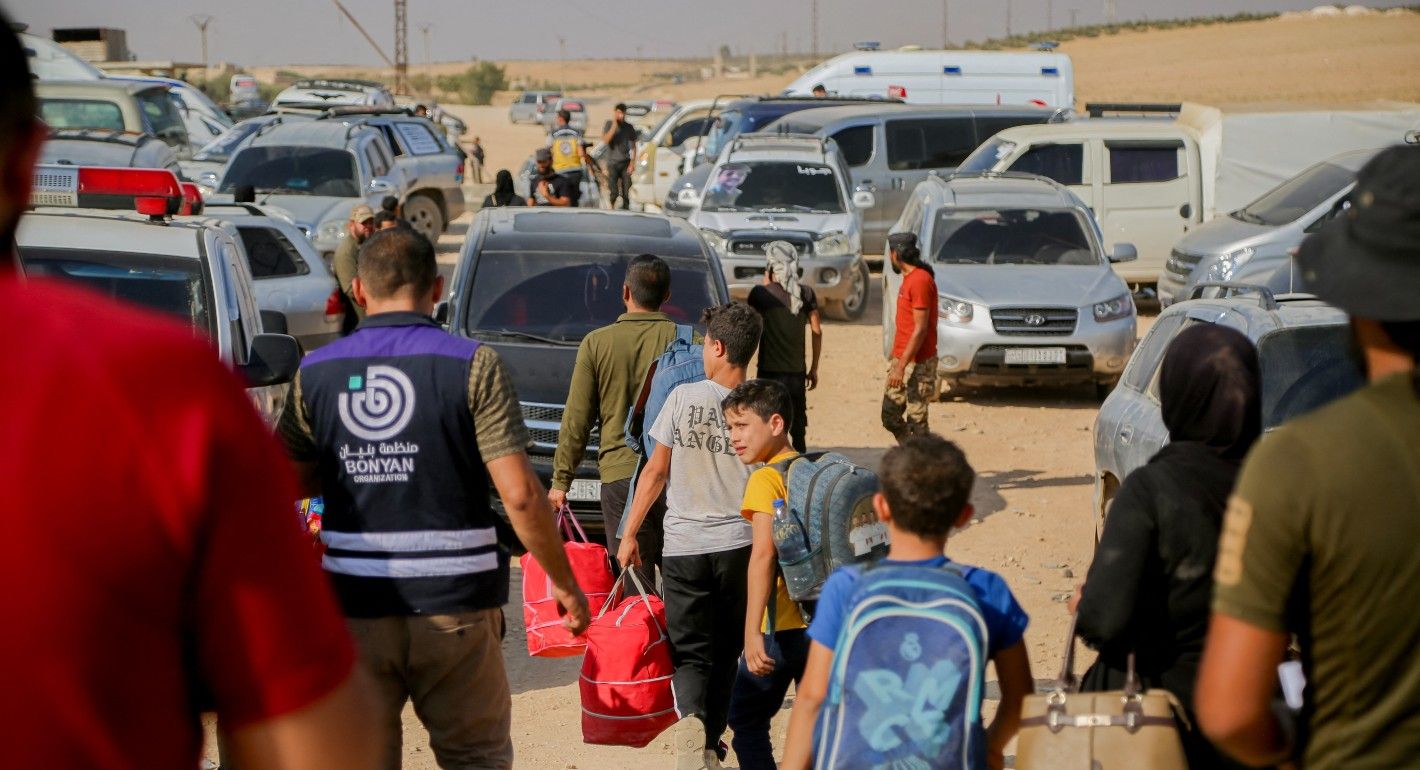
A humanitarian crisis in Lebanon deepens, and Syrian refugees face a perilous choice: remain in a war-torn environment or return to Syria where they risk encountering significant dangers and discrimination. There are significant challenges and risks to their search for safety in Syria.
Haid Haid