

Article
Dr. Albert Keidel
{
  "authors": [
    "Albert Keidel"
  ],
  "type": "other",
  "centerAffiliationAll": "dc",
  "centers": [
    "Carnegie Endowment for International Peace"
  ],
  "collections": [],
  "englishNewsletterAll": "asia",
  "nonEnglishNewsletterAll": "",
  "primaryCenter": "Carnegie Endowment for International Peace",
  "programAffiliation": "AP",
  "programs": [
    "Asia"
  ],
  "projects": [],
  "regions": [
    "China"
  ],
  "topics": [
    "Economy"
  ]
}
REQUIRED IMAGE
Source: Carnegie Endowment
China’s market reforms have led to a boon in economic choice, but the nation faces ever-widening and sometimes violent social unrest. U.S. policymakers might infer that growth in protests and demonstrations implies a burgeoning democratic movement. However, China’s social unrest overwhelmingly reflects unavoidable and narrowly parochial side-effects of China’s successful reforms and rapid growth, side effects worsened by local corruption. In a new Carnegie Policy Brief, China’s Social Unrest: The Story Behind the Stories, Senior Associate Albert Keidel explores the consequences of a rapidly changing economy on China’s record of unrest.
Increased social unrest could, nevertheless, undermine China’s leadership effectiveness, and Communist Party officials are raising alarms about national security risks. Since 1993, reports of “mass disturbances” in China rose by nearly 10-fold. In his Policy Brief, Keidel identifies root causes for this social unrest -- price reforms that disenfranchise subsidized urban groups, state enterprise layoffs, investment shifts away from traditional industrial centers in the interior towards coastal locations, rural-to-urban migration, urban growth’s expropriation of farmland, and failures in compensation schemes. Keidel suggests that efforts to combat corruption coupled with further reforms to strengthen dispute resolution tools could mitigate social unrest.
Keidel also prescribes a proactive role for the U.S. in improving international understanding of China’s reform challenges by facilitating China’s participation in international policy conclaves like the G-8. Two-way exchanges on the nature of unrest and steps for handling it could help China reduce its reliance on draconian measures.
Click on the link above for the full text of this Carnegie publication.
Albert Keidel is a senior associate at the Carnegie Endowment for International Peace.

Former Senior Associate, China Program
Keidel served as acting director and deputy director for the Office of East Asian Nations at the U.S. Department of the Treasury. Before joining Treasury in 2001, he covered economic trends, system reforms, poverty, and country risk as a senior economist in the World Bank office in Beijing.
Recent Work
Dr. Albert Keidel
Dr. Albert Keidel
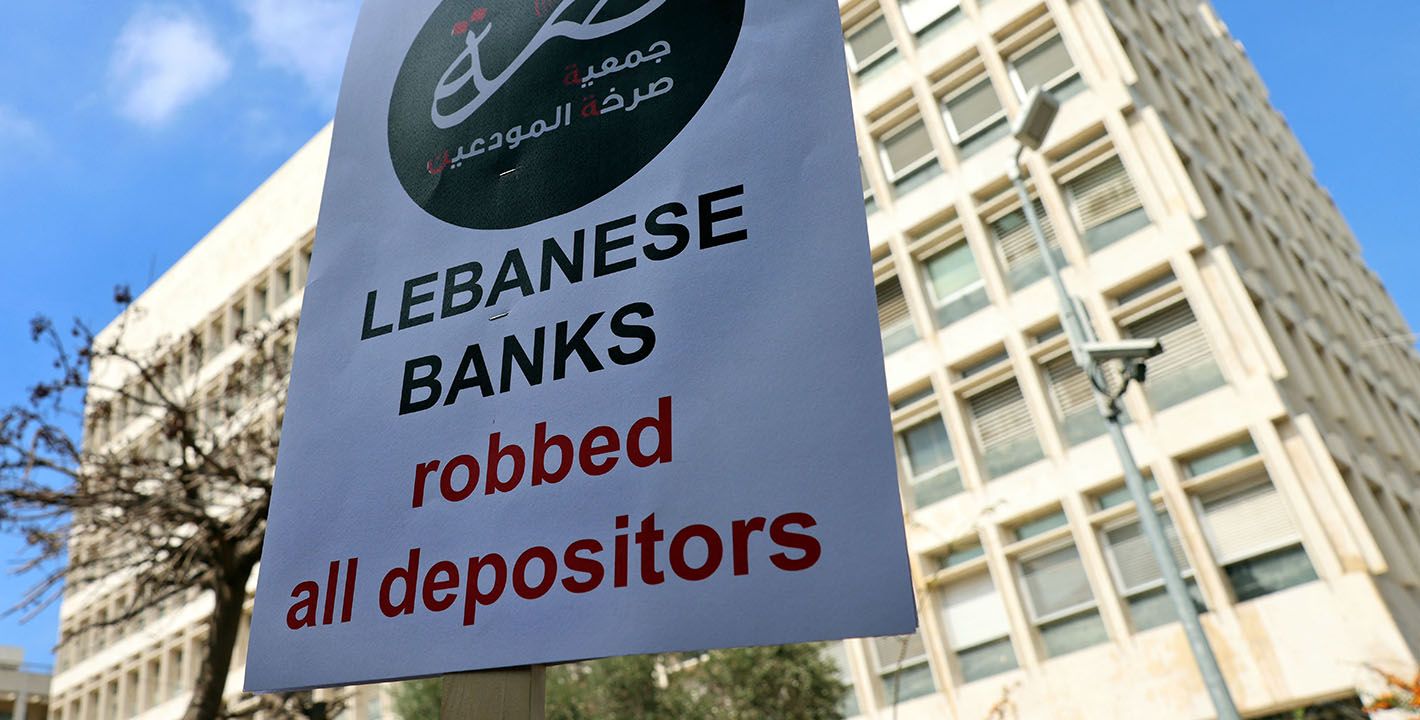
In an interview, Ishac Diwan looks at the merits and flaws in the draft legislation distributing losses from the financial collapse.

Michael Young

Mustaqbal Misr has expanded its portfolio with remarkable speed, but a lack of transparency remains.

Yezid Sayigh

Arab diaspora business communities in Egypt often mirror the same systemic challenges facing Egyptian businesses.

Nur Arafeh, Yezid Sayigh, Qaboul al-Absi, …

Largely characterized thus far by a single-minded focus on extractivism, Riyadh must commit to greater equitability in its approach to investment and development deals with Sudan, Ethiopia, and Eritrea.

Hesham Alghannam

Once Israel’s war in the territory is brought to an end, the foundational principles guiding reconstruction should be Palestinian self-determination, local agency, and sovereignty.
Nur Arafeh, Mandy Turner