

In The Media
Josh Kurlantzick
{
  "authors": [
    "Josh Kurlantzick"
  ],
  "type": "other",
  "centerAffiliationAll": "dc",
  "centers": [
    "Carnegie Endowment for International Peace"
  ],
  "collections": [],
  "englishNewsletterAll": "asia",
  "nonEnglishNewsletterAll": "",
  "primaryCenter": "Carnegie Endowment for International Peace",
  "programAffiliation": "AP",
  "programs": [
    "Asia"
  ],
  "projects": [],
  "regions": [
    "China"
  ],
  "topics": [
    "Economy"
  ]
}
REQUIRED IMAGE
Source: Carnegie Endowment
China’s economic and cultural relationship with Africa provokes serious questions in the West about international aid, human rights and energy security. On the eve of the Forum on China-Africa Cooperation (FOCAC) in Beijing this November 3-5, how should Western nations view China’s burgeoning relationship with Africa, and what does it suggest about China’s new approach to global diplomacy?
In a new Carnegie Policy Outlook, Beijing’s Safari: China’s Move into Africa and Its Implications for Aid, Development, and Governance, Carnegie Visiting Scholar Joshua Kurlantzick argues that Beijing has quickly become a major donor and investor across Africa, and has savvily used multilateral forums like FOCAC to cultivate African elites. As a result, China now rivals the United States, France, and international financial institutions for influence on the continent. Chinese loans and grants to African nations, which now reach nearly $3 billion, have become much more enticing than condition-laden aid from international institutions. Beijing also has wooed African nations with aid for infrastructure, a ban on export tariffs for the poorest nations, and its status as a market for African goods and services.
Chinese engagement in Africa could be a catalyst for positive change on the continent. But the China-Africa relationship also could be damaging to African politics, environments, and debt loads. Kurlantzick argues that China should develop a broader strategy of influence in Africa – using soft power to build popularity among African publics, rather than reinforcing authoritarian regimes. China should also create a permanent aid bureaucracy capable of working with other donors.
Kurlantzick further argues that the United States, Europe, and international financial institutions should not only call for China to be a stakeholder in Africa but give China a stake. This includes considering expanding China’s role in the World Bank and International Monetary Fund, and helping China develop a permanent aid bureaucracy. Making China a stakeholder in Africa now will encourage positive Chinese leadership in mediating conflicts, promoting development, and tackling non-traditional security threats in the future.
This is a web-only publication.
Click on the link above for the full text of this Carnegie publication.
About the Author
Former Visiting Scholar, China Program
A special correspondent for The New Republic, a columnist for Time, and a senior correspondent for The American Prospect, Kurlantzick assesses China’s relationship with the developing world, including Southeast Asia, Africa, and Latin America.
Recent Work
Josh Kurlantzick
Josh Kurlantzick

The armed forces champion a form of capitalism that is generating revenue, but its reliance on rent faces diminishing returns, leaving the country with massive sunk costs and deferred returns, deepening dependency on external borrowing.

Yezid Sayigh
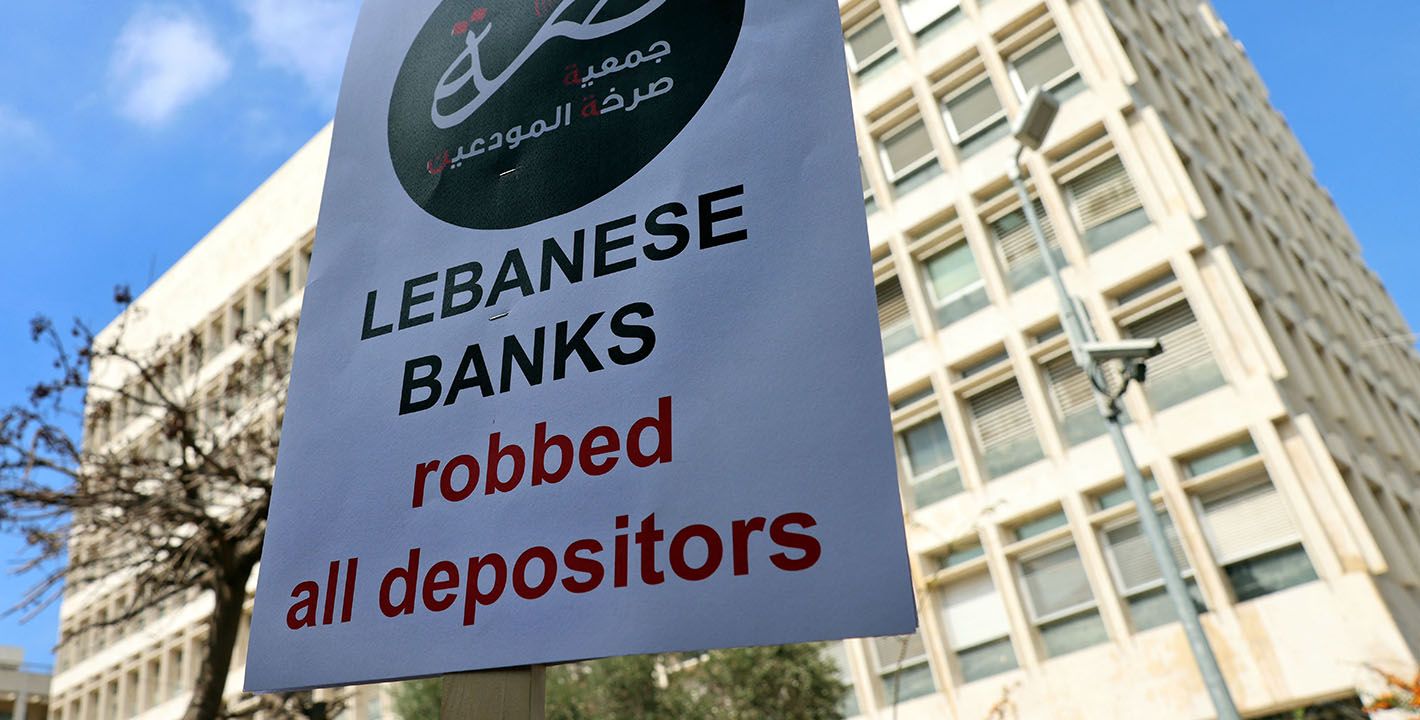
In an interview, Ishac Diwan looks at the merits and flaws in the draft legislation distributing losses from the financial collapse.

Michael Young

Mustaqbal Misr has expanded its portfolio with remarkable speed, but a lack of transparency remains.
Yezid Sayigh
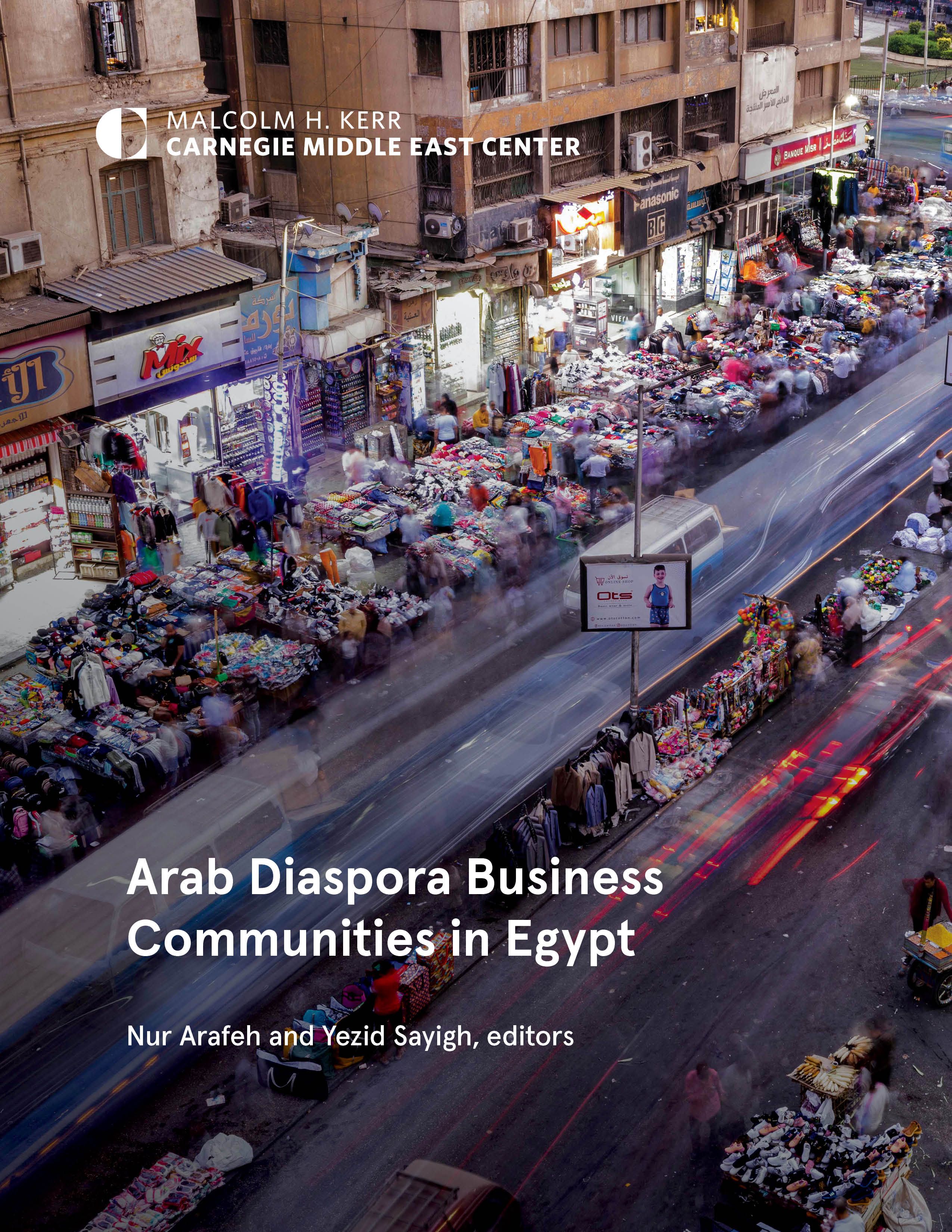
Arab diaspora business communities in Egypt often mirror the same systemic challenges facing Egyptian businesses.

Nur Arafeh, Yezid Sayigh, Qaboul al-Absi, …

Largely characterized thus far by a single-minded focus on extractivism, Riyadh must commit to greater equitability in its approach to investment and development deals with Sudan, Ethiopia, and Eritrea.
Hesham Alghannam