

In The Media
Martha Brill Olcott
{
  "authors": [
    "Martha Brill Olcott"
  ],
  "type": "legacyinthemedia",
  "centerAffiliationAll": "dc",
  "centers": [
    "Carnegie Endowment for International Peace"
  ],
  "collections": [],
  "englishNewsletterAll": "ctw",
  "nonEnglishNewsletterAll": "",
  "primaryCenter": "Carnegie Endowment for International Peace",
  "programAffiliation": "russia",
  "programs": [
    "Russia and Eurasia"
  ],
  "projects": [],
  "regions": [
    "Kazakhstan"
  ],
  "topics": [
    "Political Reform"
  ]
}
Source: Getty
In recent years British comedian Sacha Baron Cohen has made a controversial career out of denigrating Kazakh culture through satire -- much to the chagrin of some in Kazakhstan. But for all of the country's shortcomings, Kazakhstan is really one of the few success stories, not just in Central Asia, but among former Soviet republics.
Source: Pittsburgh Post-Gazette
In recent years British comedian Sacha Baron Cohen has made a controversial career out of denigrating Kazakh culture through satire -- much to the chagrin of some in Kazakhstan. But for all of the country's shortcomings, Kazakhstan is really one of the few success stories, not just in Central Asia, but among former Soviet republics -- particularly once the Baltic states, now very much a part of Europe, are excluded.
The real Kazakhstan is a lot closer to the image conveyed in the government's well-organized and pricey public relations campaign than it is to the crude caricature offered by Baron Cohen in his newly released hit movie, "Borat."
The parody of Kazakhstan has moments of clever humor, but no roots in reality. Women in Kazakhstan do not have a lower status than dogs and horses, as the comic maintains, but are fully equal to men in society. Far from being part of an isolated or backward society, Kazakh youngsters are taught English in schools and thousands are fluent enough to attend U.S. universities and graduate programs each year -- supported by the Kazakh government.
Kazakhstan has certainly made strides toward political and economic reform, yet the achievements touted by the government too often fall short of true democratic change. Rather, they remain goals well within the government's reach and society's capacity to absorb.
That said, Kazakhstan's government could do a lot more to promote democratic institution-building in its resource-rich state. Although there is often lively debate in print and electronic media, the development of free and unfettered press cannot occur without new and less restrictive legislation. Independent political groups play a critical role in public life, but require a looser regulatory environment if they are to successfully compete with pro-government groups. Despite improvements in the Kazakh judicial system, reforms must be extended to make transparency the norm, especially in high-profile and political cases.
Kazakhstan's best hope for democratic reform may lie with the country's aggressive strategy for economic development, funded in part by a National Fund which invests profits from the country's oil and gas sector. Kazakhstan will come on line as a major producer of oil and gas by 2010 -- likely producing over 2.5 million barrels a day.
The government is working hard to transform the country's previously scandal-ridden energy industry. Kazakhstan's national oil and gas company, Kazmunaigaz, is about to launch a multibillion-dollar offering on the London Stock Exchange and up to 40 percent of the company could be held publicly in the next few years. It is the third major Kazakh company to go public this year, joining Kazakhstan's largest copper company and the former state gold company with London listings.
The management teams in all of these companies are Western-trained, as are an increasing number of Kazakhstan's young professionals. It is hoped that this new generation will help create a modern diversified economy, built around industrial clusters designed in part with the help of Michael Porter at Harvard's Kennedy School.
For this to work, Kazakhstan has to continue to expand legal protections of businesses and individuals alike. It is no accident that many of the country's leading opposition figures are successful businessmen eager to open the economy and further investment and competition. Growth in Kazakhstan's economy also holds implications for the region, -- as Kazakh businesses are taking root in neighboring Kyrgyzstan, Uzbekistan and even Russia.
Although oil and gas are behind much of the country's recent advances, it is the diplomatic skills of Kazakhstan's president and its long-serving foreign minister (Kassymzhomart Tokaev) that have enabled Astana to maintain simultaneously good relations with Moscow, Beijing and Washington.
And they have even gotten beyond their anger at Sacha Baron Cohen, and are using the release of "Borat" to try to promote tourism. While few in the audience are likely to go to Kazakhstan, maybe some will take the time to learn about this unusual, and in many ways very admirable country.
Originally published in the Pittsburgh Post-Gazette Online, November 12, 2006.
Martha Brill Olcott is a senior associated at the Carnegie Endowment for International Peace. Her books include "The Kazakhs," "Kazakhstan: Unfulfilled Promise," and "Central Asia's Second Chance."
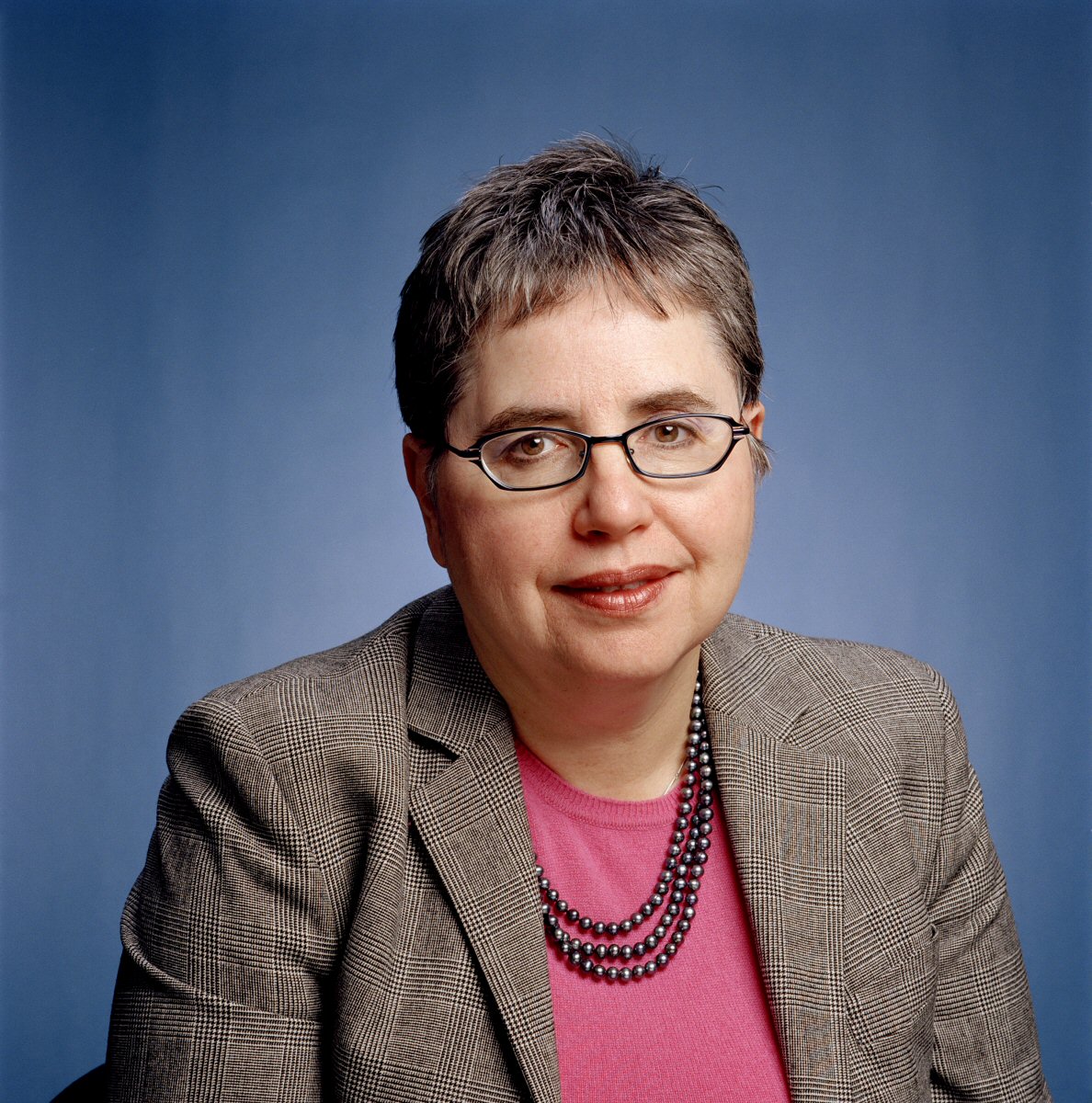
Former Senior Associate, Russia and Eurasia Program and, Co-director, al-Farabi Carnegie Program on Central Asia
Olcott is professor emerita at Colgate University, having taught political science there from 1974 to 2002. Prior to her work at the endowment, Olcott served as a special consultant to former secretary of state Lawrence Eagleburger.
Recent Work
Martha Brill Olcott
Martha Brill Olcott
Carnegie does not take institutional positions on public policy issues; the views represented herein are those of the author(s) and do not necessarily reflect the views of Carnegie, its staff, or its trustees.
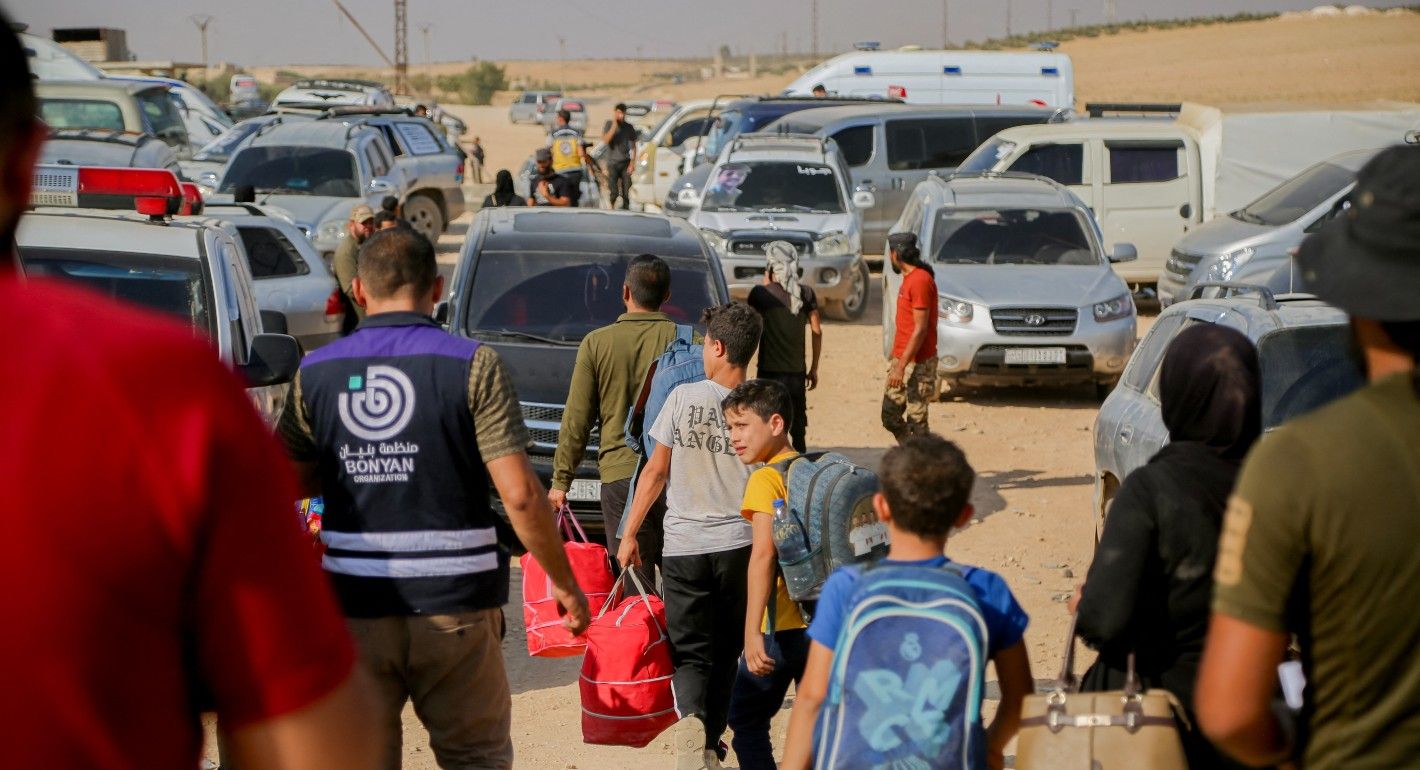
A humanitarian crisis in Lebanon deepens, and Syrian refugees face a perilous choice: remain in a war-torn environment or return to Syria where they risk encountering significant dangers and discrimination. There are significant challenges and risks to their search for safety in Syria.
Haid Haid
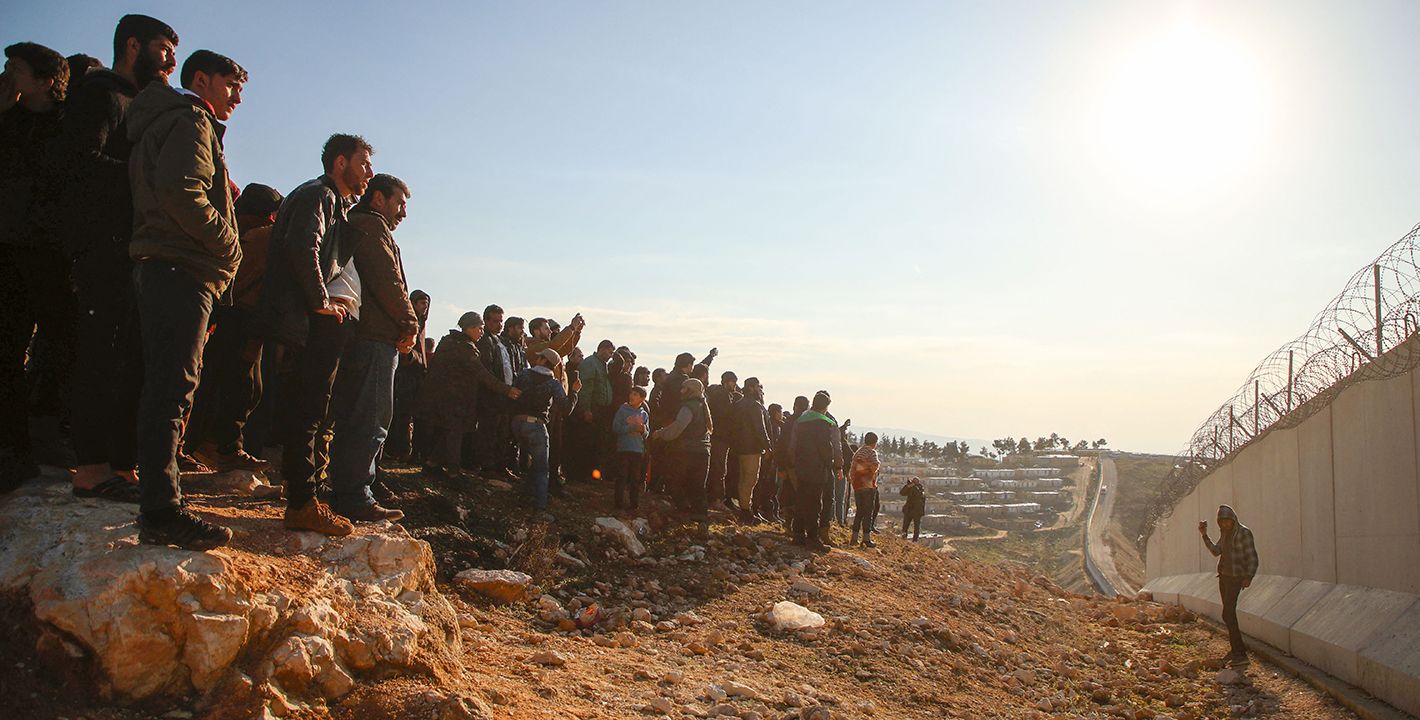
In Syria’s border regions, changes in demographics, economics, and security mean that an inter-Syrian peace process will require consensus among main regional powers that Syria must remain united, that no one side can be victorious, and that perennial instability threatens the region.

Kheder Khaddour, Armenak Tokmajyan
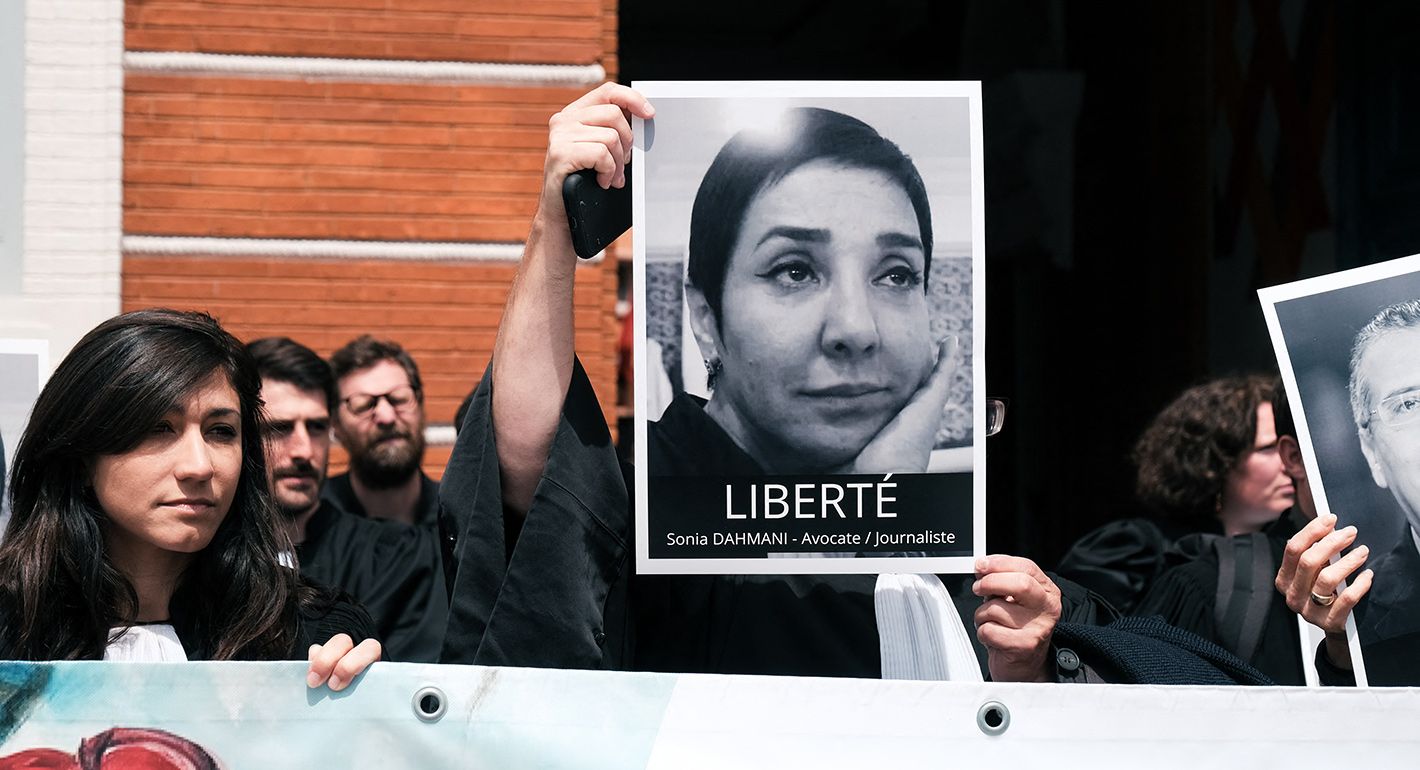
For many in the society, the post-Ben Ali years were mainly about successive economic crises and political instability.
Jasmine Khelil
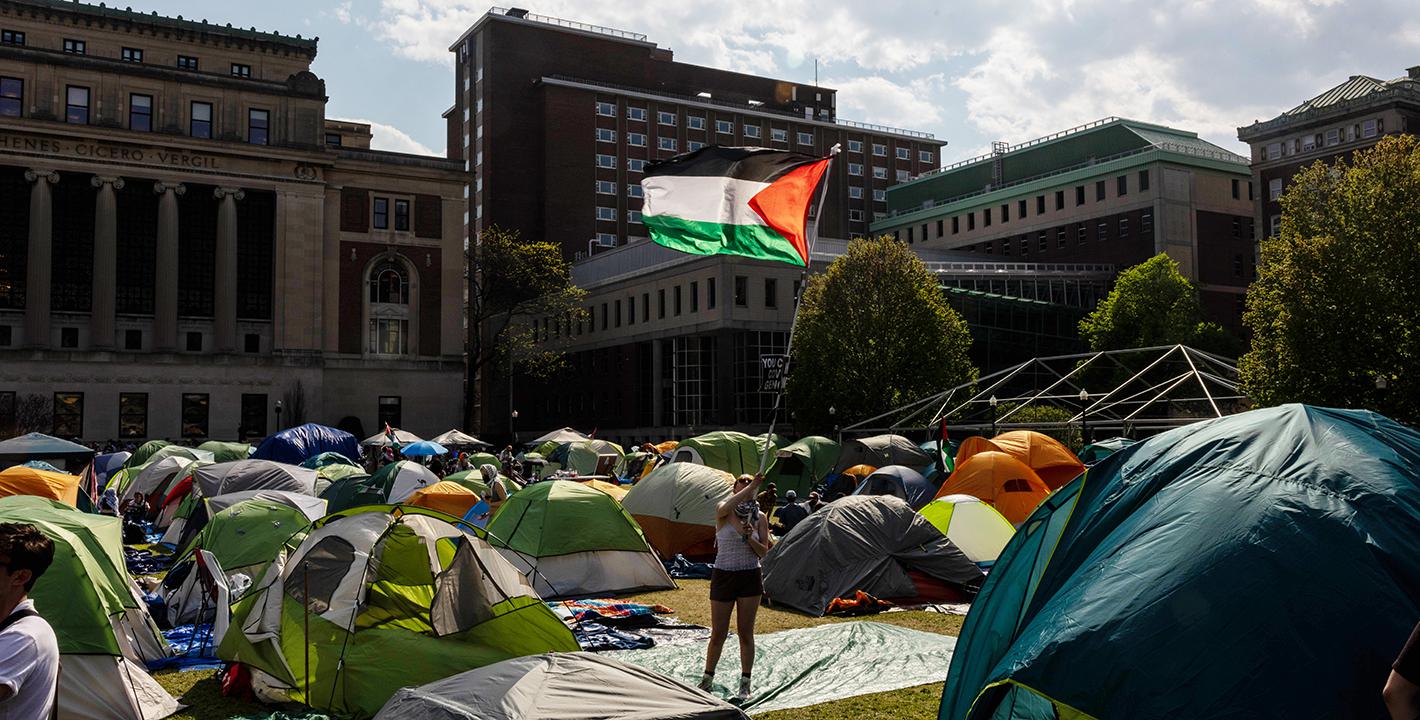
As students around the United States and Europe protest, the relationship of Western elites with Israel is being redefined.

Michael Young
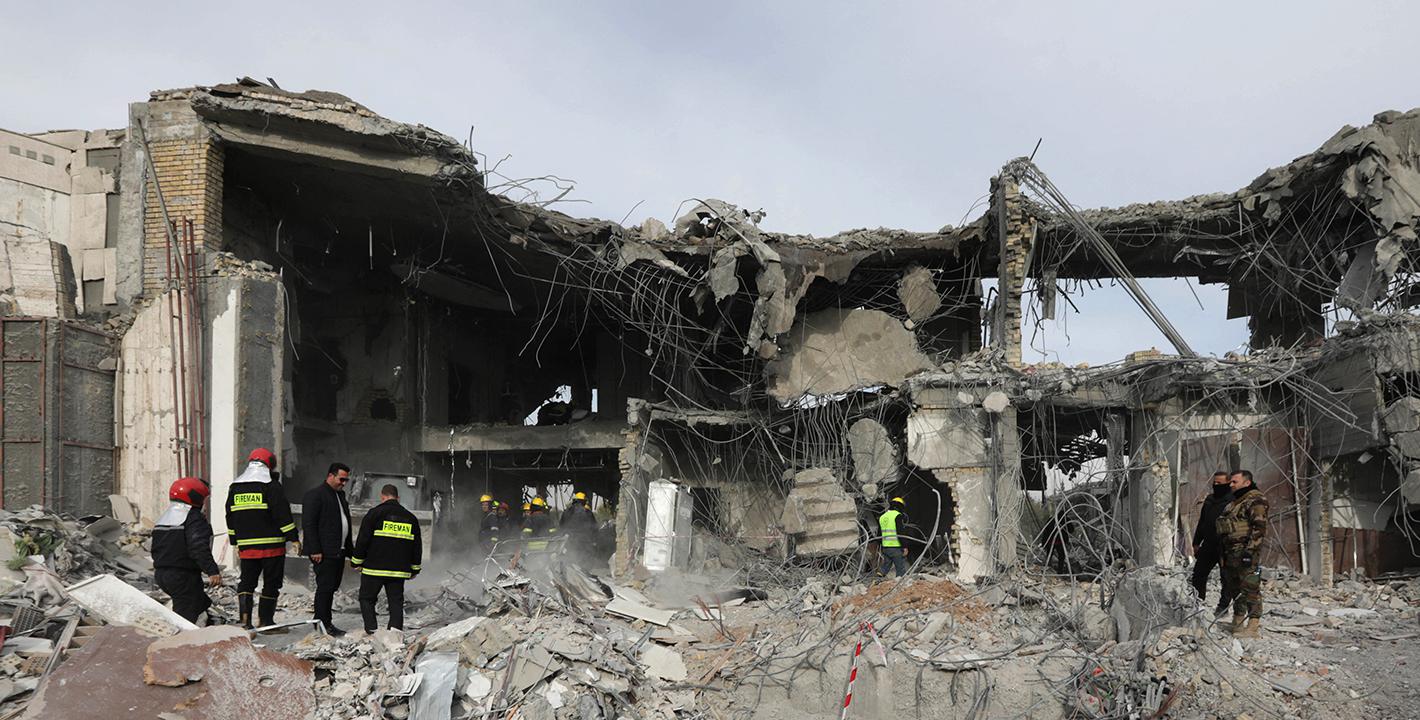
When U.S. Patriots shot down an Iranian missile over Erbil on April 15, Kurds wondered why such defenses weren’t activated when they were attacked.
Wladimir van Wilgenburg