• Research
  • Diwan
  • About
  • Experts
Carnegie Middle East logoCarnegie lettermark logo
LebanonIran
{
  "authors": [
    "Ashley J. Tellis"
  ],
  "type": "legacyinthemedia",
  "centerAffiliationAll": "dc",
  "centers": [
    "Carnegie Endowment for International Peace"
  ],
  "collections": [
    "U.S. Nuclear Policy"
  ],
  "englishNewsletterAll": "ctw",
  "nonEnglishNewsletterAll": "",
  "primaryCenter": "Carnegie Endowment for International Peace",
  "programAffiliation": "NPP",
  "programs": [
    "Nuclear Policy",
    "South Asia"
  ],
  "projects": [],
  "regions": [
    "North America",
    "United States",
    "India"
  ],
  "topics": [
    "Nuclear Policy"
  ]
}
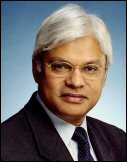
Source: Getty

In The Media

U.S.-India Nuclear Disagreement

Link Copied
By Ashley J. Tellis
Published on Apr 23, 2007

Source: The Kojo Nnamdi Show

The United States and India made headlines in 2005 when they announced a deal to share U.S. civilian nuclear technology. Now, the agreement seems to be on the rocks, and officials from both countries are scrambling to salvage the deal. In an interview on The Kojo Nnamdi Show, Ashley Tellis, Senior Associate at the Carnegie Endowment, joined Edward Luce, Washington Bureau Chief of the Financial Times, to discuss the dispute and its impact on security in an increasingly strategic region.

Click here to listen to the audio or order a transcript.

About the Author

Ashley J. Tellis

Former Senior Fellow

Ashley J. Tellis was a senior fellow at the Carnegie Endowment for International Peace.

    Recent Work

  • Paper
    Multipolar Dreams, Bipolar Realities: India’s Great Power Future

      Ashley J. Tellis

  • Commentary
    India Sees Opportunity in Trump’s Global Turbulence. That Could Backfire.

      Ashley J. Tellis

Ashley J. Tellis
Former Senior Fellow
Nuclear PolicyNorth AmericaUnited StatesIndia

Carnegie does not take institutional positions on public policy issues; the views represented herein are those of the author(s) and do not necessarily reflect the views of Carnegie, its staff, or its trustees.

More Work from Malcolm H. Kerr Carnegie Middle East Center

  • Commentary
    Diwan
    Where is the Groundwork for Lebanon’s Negotiations With Israel?

    A prerequisite of serious talks is that the country’s leadership consolidates majority national support for such a process.

      Michael Young

  • Commentary
    Diwan
    A Military Balance Sheet in the U.S. and Israeli War With Iran

    In an interview, Jim Lamson discusses the ongoing regional conflict and sees an unclear picture when it comes to winners and losers. 

      Michael Young

  • Commentary
    Diwan
    Lebanon Needs a New Negotiating Strategy with Israel

    Unless Beirut lowers expectations, any setbacks will end up bolstering Hezbollah’s narrative.

      Mohanad Hage Ali

  • Commentary
    Diwan
    Egypt’s Discrete Role in the Ceasefire with Iran

    Cairo’s efforts send a message to the United States and the region that it still has a place at the diplomatic table.

      • Angie Omar

      Angie Omar

  • Commentary
    Diwan
    Realism and the Lebanon-Israel Talks

    Beirut’s desire to break free from Iranian hegemony may push it into a situation where it has to accept Israel’s hegemony.  

      Michael Young

Get more news and analysis from
Malcolm H. Kerr Carnegie Middle East Center
Carnegie Middle East logo, white
  • Research
  • Diwan
  • About
  • Experts
  • Projects
  • Events
  • Contact
  • Careers
  • Privacy
  • For Media
Get more news and analysis from
Malcolm H. Kerr Carnegie Middle East Center
© 2026 Carnegie Endowment for International Peace. All rights reserved.






