

Commentary
As the U.S. stumbles in its war with Iran, we are likely to see an acceleration of its disengagement from the region.
Michael Young
{
  "authors": [],
  "type": "pressRelease",
  "centerAffiliationAll": "dc",
  "centers": [
    "Carnegie Endowment for International Peace"
  ],
  "collections": [],
  "englishNewsletterAll": "menaTransitions",
  "nonEnglishNewsletterAll": "",
  "primaryCenter": "Carnegie Endowment for International Peace",
  "programAffiliation": "MEP",
  "programs": [
    "Middle East"
  ],
  "projects": [],
  "regions": [
    "Middle East"
  ],
  "topics": []
}
REQUIRED IMAGE
FOR IMMEDIATE RELEASE: July 11, 2007
- NEWS RELEASE -
WASHINGTON, July 11—Islamist women are increasingly involved in political processes and could spawn a full-fledged Islamist movement for women’s rights, finds a new study by the Carnegie Endowment. In Women in Islamist Movements: Toward an Islamist Model of Women’s Activism, Carnegie scholars Omayma Abdellatif and Marina Ottaway argue that women’s participation in Islamist movements reflects a growing trend toward women’s activism in the Arab world, though quite different from Western norms.
Through interviews and conversations with women belonging to Lebanon’s Hizballah, Egypt’s Muslim Brotherhood, and other Islamist organizations across numerous Arab nations, the authors found an energetic debate among women activists on their newfound role as political actors.
Key findings:
“Secular women’s nongovernmental organizations (NGOs) led by educated women have only limited outreach outside the urban upper class they come from,” write the authors. “Islamist movements, in contrast, have proven themselves adept at building a broad following across social classes. If women activists become more influential, Islamist movements could become important instruments—possibly the most important instruments—for promoting the rights of Arab women.”
###
Notes:
Carnegie does not take institutional positions on public policy issues; the views represented herein are those of the author(s) and do not necessarily reflect the views of Carnegie, its staff, or its trustees.

As the U.S. stumbles in its war with Iran, we are likely to see an acceleration of its disengagement from the region.

Michael Young

The accord represents a pivotal moment in the region to avert a security vacuum in the Gulf.


Azeema Cheema, Mohanad Hage Ali
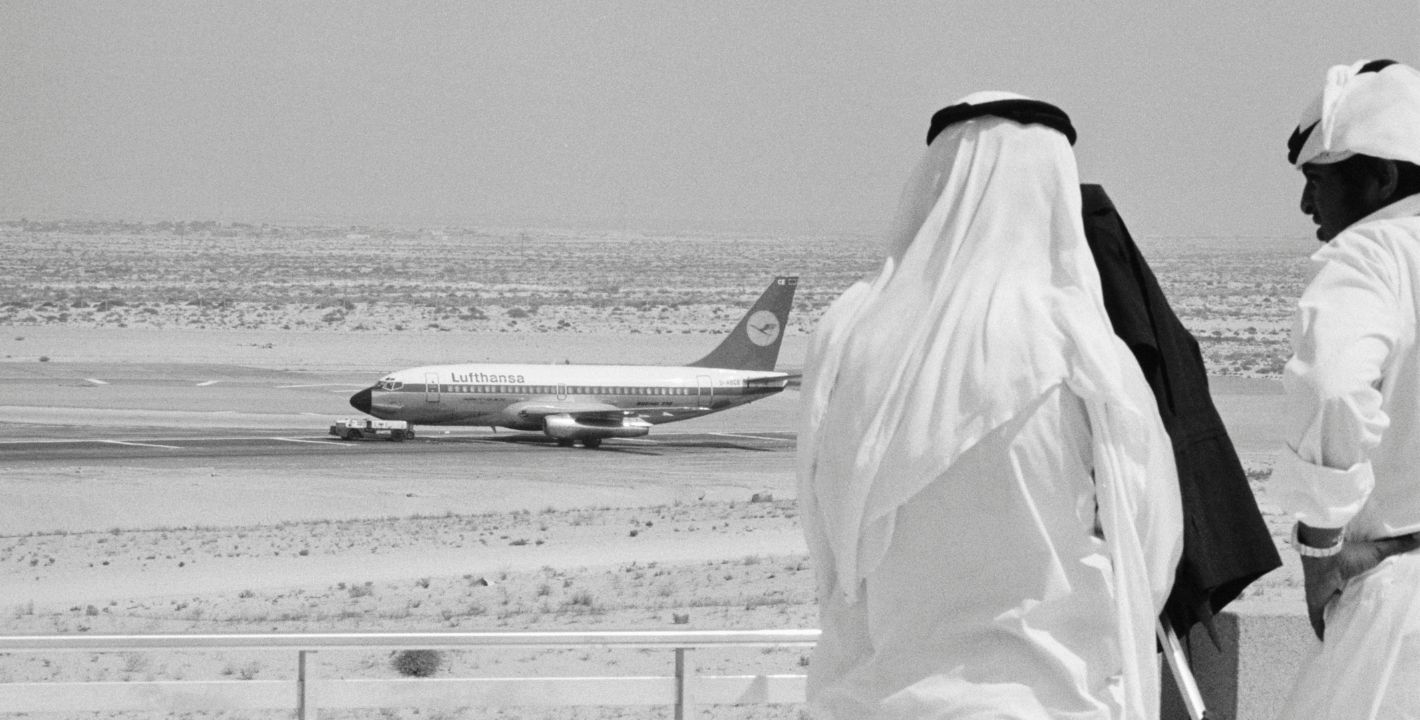
In an interview, Jason Burke discusses his sweeping account of the “revolutionists” who so shaped the 1970s and early 1980s.
Michael Young

Just look at Iraq in 1991.

Marwan Muasher
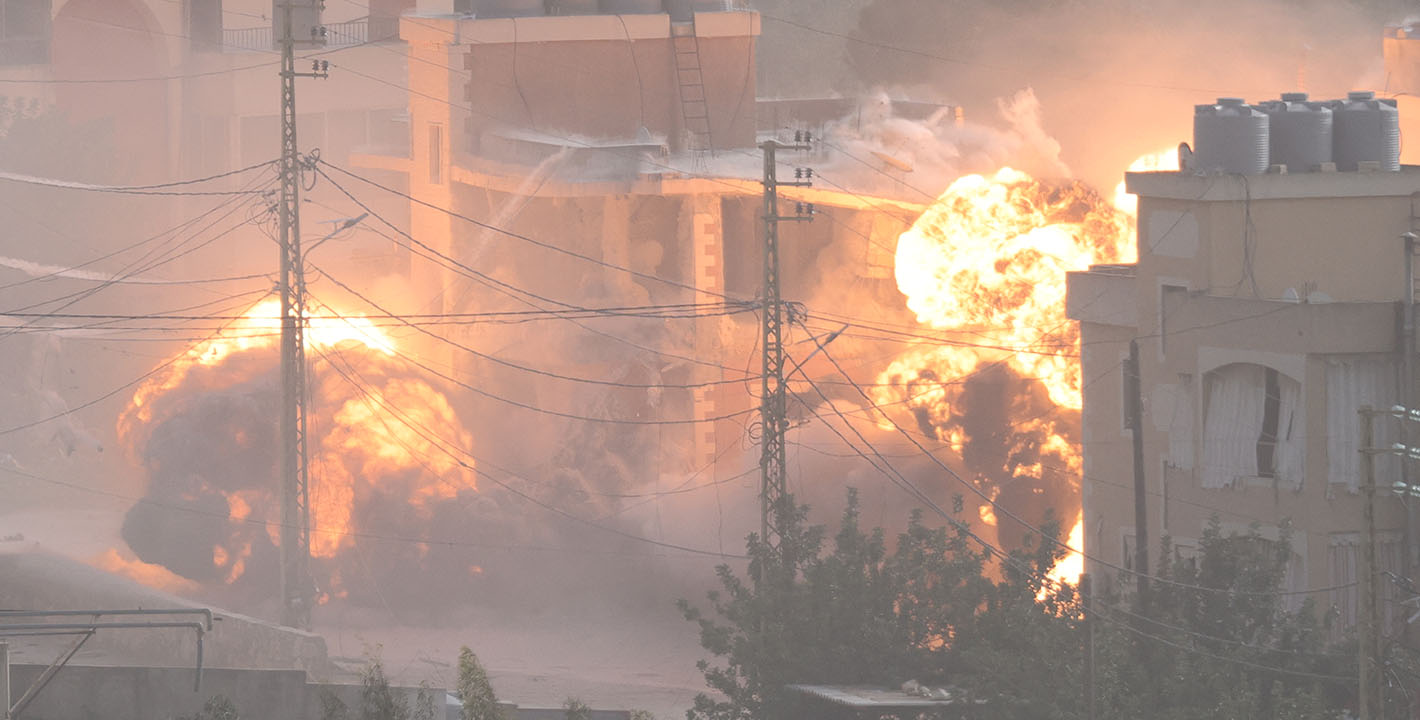
As Iran defends its interests in the region and its regime’s survival, it may push Hezbollah into the abyss.
Michael Young