

Article
Dr. Albert Keidel
{
  "authors": [
    "Albert Keidel"
  ],
  "type": "other",
  "centerAffiliationAll": "dc",
  "centers": [
    "Carnegie Endowment for International Peace"
  ],
  "collections": [],
  "englishNewsletterAll": "asia",
  "nonEnglishNewsletterAll": "",
  "primaryCenter": "Carnegie Endowment for International Peace",
  "programAffiliation": "AP",
  "programs": [
    "Asia"
  ],
  "projects": [],
  "regions": [
    "China",
    "East Asia"
  ],
  "topics": [
    "Economy"
  ]
}
REQUIRED IMAGE
The Chinese government must move quickly and dramatically to increase interest rates to reduce the risk of an inflation crisis, says a new policy brief from the Carnegie Endowment. Albert Keidel, an expert on China’s economy, urges the Chinese government to avoid the danger of harsh corrective steps which in the past caused severe declines in GDP growth, fueled deadly urban civil unrest throughout the country, and brought long-lasting damage to China’s international reputation.
Source: Carnegie Endowment
The Chinese government must move quickly and dramatically to increase interest rates to reduce the risk of an inflation crisis, says a new policy brief from the Carnegie Endowment. Albert Keidel, an expert on China’s economy, urges the Chinese government to avoid the danger of harsh corrective steps which in the past caused severe declines in GDP growth, fueled deadly urban civil unrest throughout the country, and brought long-lasting damage to China’s international reputation.
In China’s Looming Crisis—Inflation Returns, Keidel argues that political disputes between competing interests groups could hold up adjustments to China’s government-administered interest rates. A delayed response could be dangerous, however, as both public and corporate bank deposits are already losing purchasing power. Value-losing deposit rates in the late 1980s and mid 1990s sparked heavy bank withdrawals and accelerated consumer spending—pushing inflationary pressures to the crisis point.
Key Recommendations:
• The Chinese government should raise key deposit rates or index them to future inflation to avoid moderate price rises leading to an inflation-driven panic.
• The Chinese government should enable farm diversification by increasing wheat and rice imports. This would contain future food price inflation and realize higher potential farmer productivity.
• The growing risk of an inflationary storm further confirms that China’s growth and inflation are domestically driven. U.S. government analysts need to take this opportunity to correct the popular misperception that Chinese growth is export-led—it is not. The nature of this inflation and the results of other recent in-depth research show that market demand behind China’s sustained growth is not subject to vagaries of international demand. U.S. commercial, diplomatic, and military thinking regarding China’s commercial behavior and long-term prospects needs to shift to account for this conclusion.
“The next fifteen months will be especially crucial for China. Foreign criticism has already been severe, thanks to imbroglios over food and toy safety, dollar-holding scares, and Olympics-related activism,” writes Keidel. “U.S. political players are all sharpening their anti-China claws for the 2008 elections. Brutal suppression of inflation-related domestic dissent would harden already negative U.S. attitudes governing commerce, sanctions, strategic contingencies, and military spending.”
Click on the link above for the full text of this Carnegie publication.
About the Author
Albert Keidel is a senior associate at the Carnegie Endowment, where he specializes in Chinese economic issues and related U.S. policy. He formerly served as deputy director and acting director at the U.S. Department of Treasury’s Office of East Asian Nations. Before that, he was senior economist at the World Bank office in Beijing. He gratefully acknowledges generous Ford Foundation support for research underpinning this policy brief; the opinions and conclusions were generated solely by the author.

Former Senior Associate, China Program
Keidel served as acting director and deputy director for the Office of East Asian Nations at the U.S. Department of the Treasury. Before joining Treasury in 2001, he covered economic trends, system reforms, poverty, and country risk as a senior economist in the World Bank office in Beijing.
Recent Work
Dr. Albert Keidel
Dr. Albert Keidel

Huawei pushed hard to enter the Egyptian data centers market, until the Americans made a better offer.

Angie Omar

The armed forces champion a form of capitalism that is generating revenue, but its reliance on rent faces diminishing returns, leaving the country with massive sunk costs and deferred returns, deepening dependency on external borrowing.

Yezid Sayigh
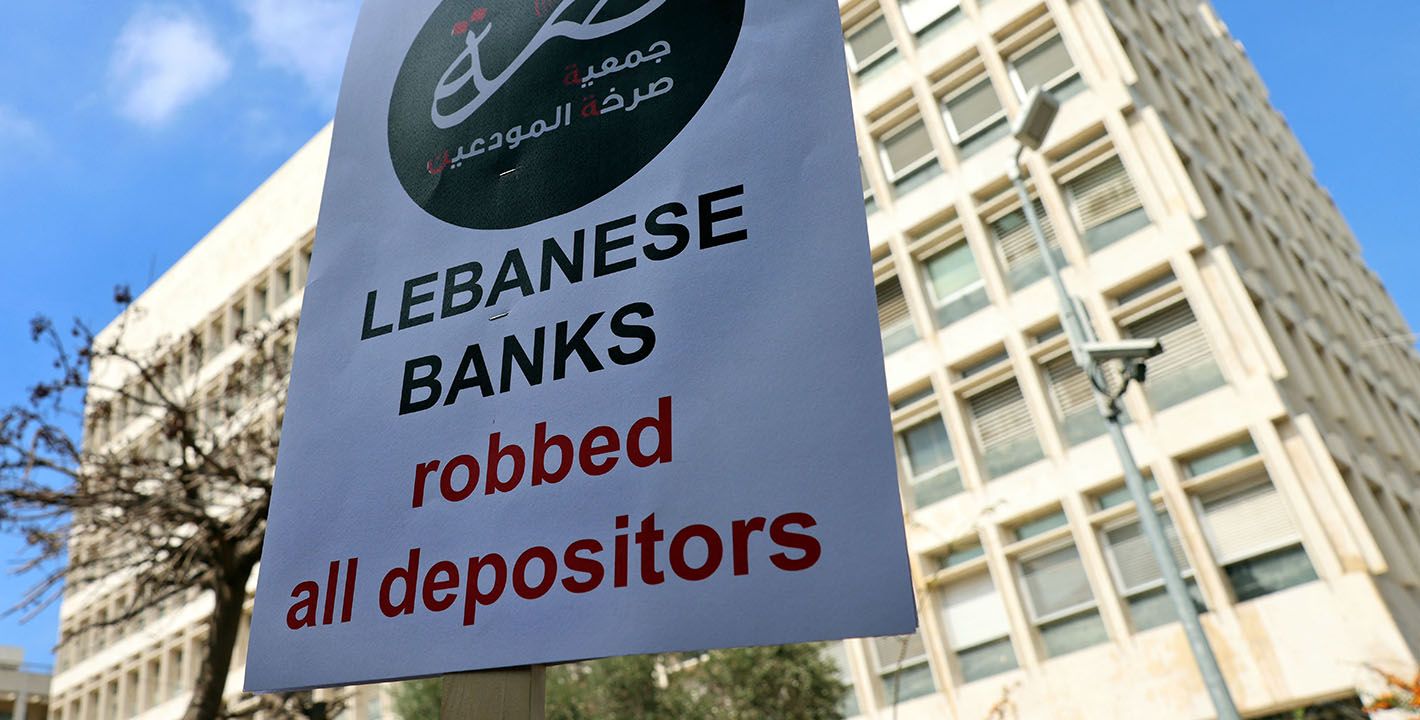
In an interview, Ishac Diwan looks at the merits and flaws in the draft legislation distributing losses from the financial collapse.

Michael Young

Mustaqbal Misr has expanded its portfolio with remarkable speed, but a lack of transparency remains.
Yezid Sayigh

Arab diaspora business communities in Egypt often mirror the same systemic challenges facing Egyptian businesses.

Nur Arafeh, Yezid Sayigh, Qaboul al-Absi, …