

Q&A
- +2
Judy Dempsey, Alexander Gabuev, Rose Gottemoeller, …
{
  "authors": [
    "Rose Gottemoeller"
  ],
  "type": "legacyinthemedia",
  "centerAffiliationAll": "dc",
  "centers": [
    "Carnegie Endowment for International Peace"
  ],
  "collections": [],
  "englishNewsletterAll": "ctw",
  "nonEnglishNewsletterAll": "",
  "primaryCenter": "Carnegie Endowment for International Peace",
  "programAffiliation": "russia",
  "programs": [
    "Russia and Eurasia",
    "Nuclear Policy"
  ],
  "projects": [],
  "regions": [
    "Middle East",
    "Iran",
    "Caucasus",
    "Russia"
  ],
  "topics": [
    "Nuclear Policy"
  ]
}
Source: Getty
When President Vladimir Putin was in Tehran last week, one image from the trip was indelible: Putin meeting with Supreme Leader Ayatollah Ali Khamenei while President Mahmoud Ahmadinejad sat in the corner of the sofa. Putin apparently made an offer directly to the supreme leader about a way to move forward in the nuclear standoff. According to the proposal, the six parties negotiating with Iran would pause on seeking sanctions in the United Nations Security Council if Iran would pause on its enrichment program.
Source: The Moscow Times

Within four days, however, it was clear that Ahmadinejad was not sidelined at all. First, he denied that Putin made any offer. Then Ali Larijani, the top Iranian negotiator who apparently was willing to compromise, stepped down. His departure was hailed as a victory for Ahmadinejad and his tough line against flexibility in the negotiations. Immediately, hopes for quick progress in solving the Iranian nuclear crisis faded.
As usual, anything to do with the Iranians has a lot of noise around it, but one message should be clear: In his last months in power, Putin is willing to invest his presidential capital to try to find a solution to the Iranian nuclear crisis. He is able and willing to reach out to those who can actually have an effect on the outcome, despite the risks of failure.
This situation may be uncomfortable for Washington, accustomed to leading international diplomacy. It is worth a shot, however, because Putin seems driven to deliver before the March presidential election paralyzes his government. Although Moscow is speculating that he might move sideways to become prime minister, the transfer of power in any form will be unsettling and likely to halt Russia's diplomatic momentum for some time to come. If you add to the equation the fact that there will be a new U.S. presidential administration in 2009, this may result in a long delay in trying to solve the problem. The Iranians will surely be able to exploit these political transitions to advance their nuclear ambitions.
So if Putin is willing to press further, the other five parties engaged with Iran should be willing to encourage him. Moscow's leverage is comparatively stronger because of its long history of cooperation with Iran on nuclear technology. This fact is often taken as proof of Moscow's cohabitation with Tehran, but actually the Kremlin has been using this leverage in careful measure over the past two years. While he was in Tehran, Putin was asked point-blank whether he would promise to deliver the nuclear fuel for the Bushehr reactor before he leaves office in May 2008. 'I only made promises to my mother when I was a little boy,' Putin said, leaving his leverage intact.
This may be the time for Putin to renew the offer first made to Iran over a year ago -- that Tehran could fulfill and even enlarge its nuclear energy ambitions by participating in an international fuel services center on Russian soil. Iran would join a group of countries receiving nuclear fuel services, including enrichment and the take-back of spent nuclear fuel, from the center.
When the offer was first broached, it was still ephemeral, since the Federal Atomic Energy Agency had not yet established the center. Now, the international fuel services center has legal status in Angarsk, which is located in Siberia. It is part of an orchestrated restructuring of the Russian nuclear energy complex, and it has been the focus of much positive attention in the international arena. It could be part of a renewed gambit, quiet and behind the scenes, to encourage Iran to consider its larger interests -- in particular, the opportunity to become a full participant in the worldwide expansion of nuclear power over the coming decades.
The Angarsk center might also be a way to offer Iran participation in more advanced nuclear technology projects than it has been able to carry out on its own. Its much-heralded nuclear enrichment program is an expensive and arduous effort to acquire a 60-year-old technology. It is not, in fact, the high-tech wonder that Ahmadinejad has claimed.
The Russian nuclear energy complex has much more interesting projects under way, including new advanced reactors and nuclear fuels. These are not only exciting in their energy potential, but some are also less dangerous to the nonproliferation regime since they do not have the potential to produce the fissile materials that could be used to build nuclear bombs. Iran should want to join the international race to acquire these new technologies rather than isolating itself with its enrichment program.
At the moment, there seems to be scant hope for broaching the idea of high-technology nuclear energy cooperation to Iran. Putin, however, has the opportunity to offer Tehran a stark choice: an opportunity to join the world community in the hunt for new technologies or continue as an outcast with limited capabilities. This message has been transmitted at various times and in various ways by the Europeans and the United States. Now it is Putin's turn. Since he has something interesting to offer, he might even succeed.
Rose Gottemoeller is director of the Carnegie Moscow Center. This commentary first appeared in The Moscow Times.
Nonresident Senior Fellow, Nuclear Policy Program
Rose Gottemoeller is a nonresident senior fellow in Carnegie’s Nuclear Policy Program. She also serves as lecturer at Stanford University’s Freeman Spogli Institute for International Studies and is a research fellow at the Hoover Institution. Ambassador Gottemoeller served as the deputy secretary general of NATO from 2016 to 2019.
Recent Work


Judy Dempsey, Alexander Gabuev, Rose Gottemoeller, …
Carnegie does not take institutional positions on public policy issues; the views represented herein are those of the author(s) and do not necessarily reflect the views of Carnegie, its staff, or its trustees.
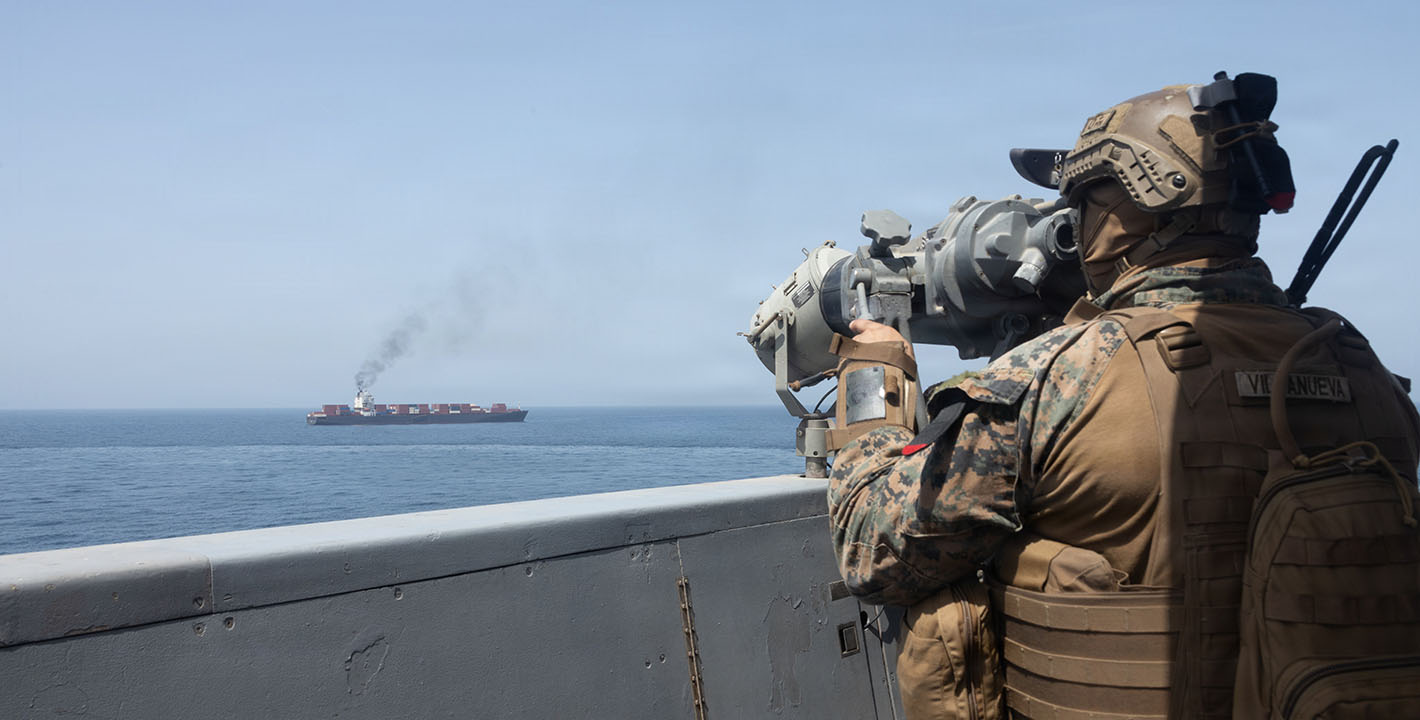
In an interview, Jim Lamson discusses the ongoing regional conflict and sees an unclear picture when it comes to winners and losers.

Michael Young
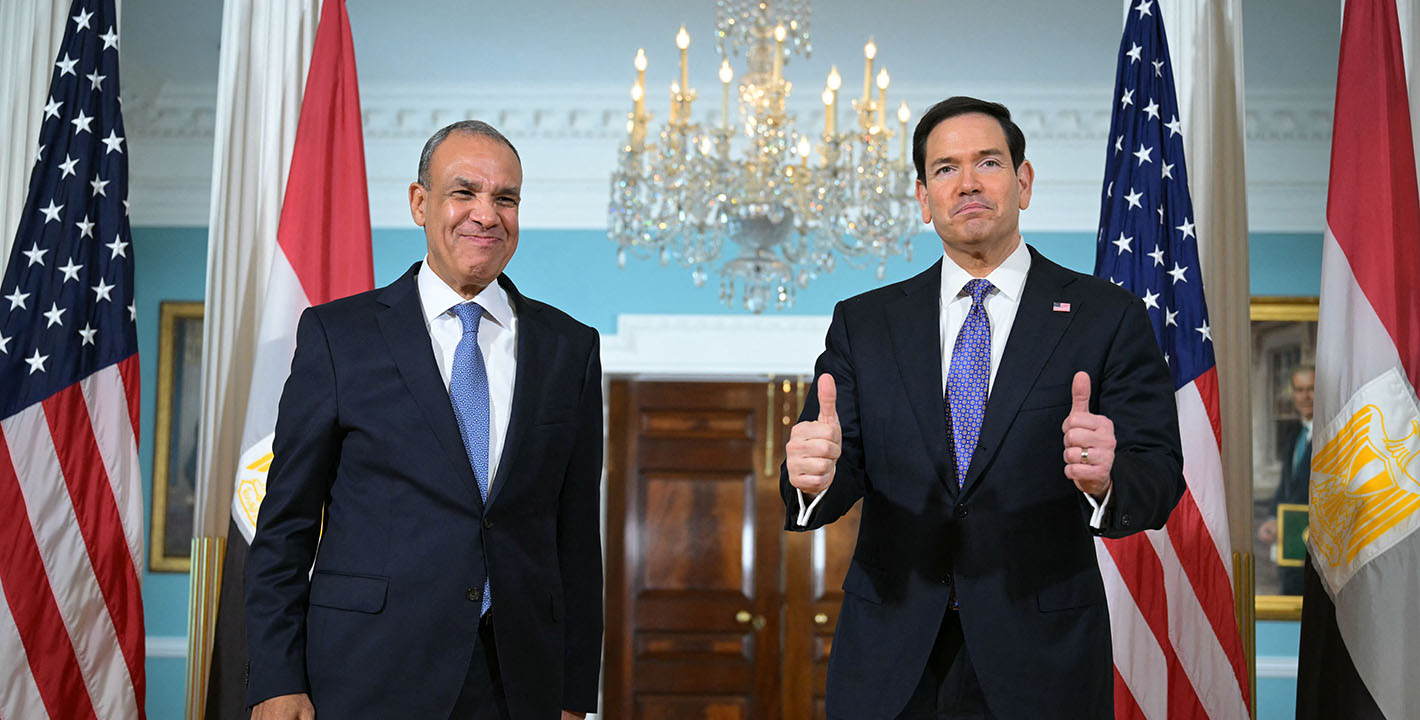
Cairo’s efforts send a message to the United States and the region that it still has a place at the diplomatic table.

Angie Omar
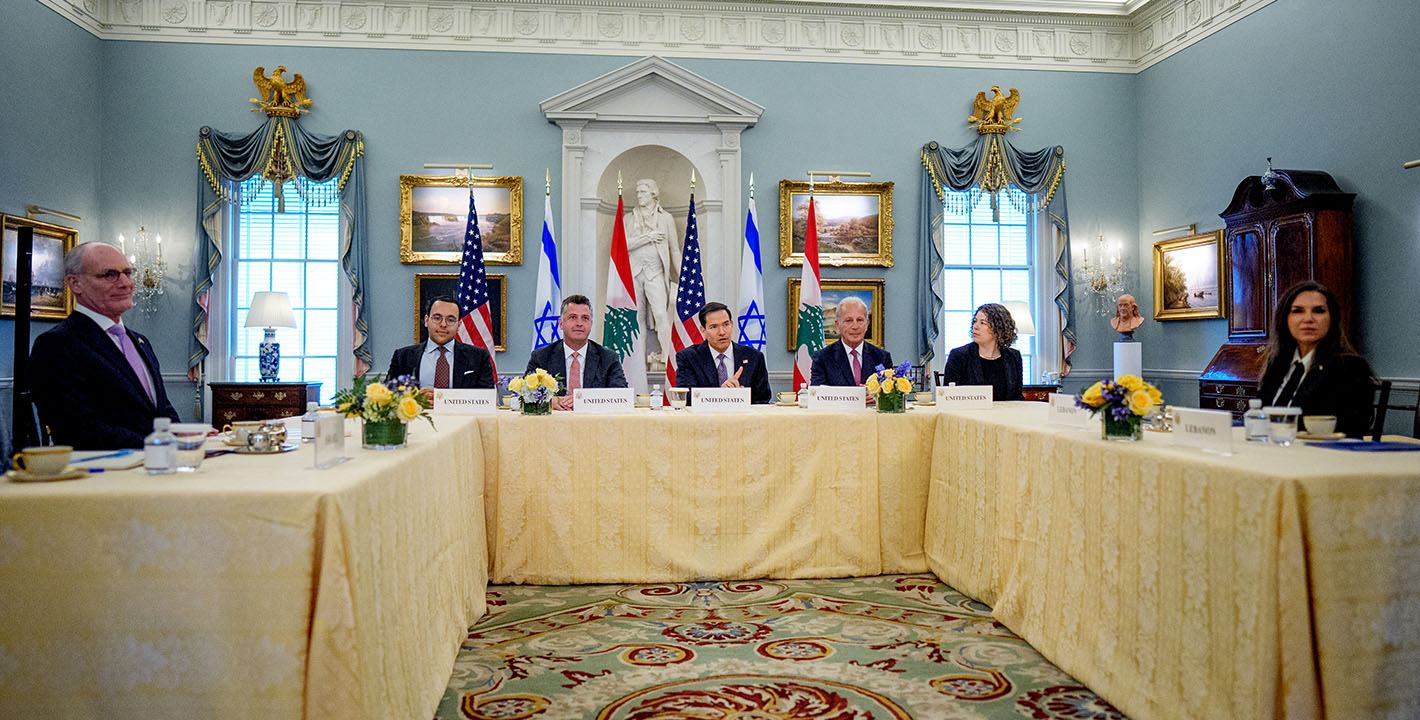
Beirut’s desire to break free from Iranian hegemony may push it into a situation where it has to accept Israel’s hegemony.
Michael Young
Spot analysis from Carnegie scholars on events relating to the Middle East and North Africa.
Michael Young
The party’s objectives involve tying together the Lebanese and Iranian fronts, while surviving militarily and politically at home.
Mohamad Fawaz