• Research
  • Diwan
  • About
  • Experts
Carnegie Middle East logoCarnegie lettermark logo
LebanonIran
{
  "authors": [
    "Pierre Goldschmidt"
  ],
  "type": "testimony",
  "centerAffiliationAll": "dc",
  "centers": [
    "Carnegie Endowment for International Peace"
  ],
  "collections": [],
  "englishNewsletterAll": "ctw",
  "nonEnglishNewsletterAll": "",
  "primaryCenter": "Carnegie Endowment for International Peace",
  "programAffiliation": "NPP",
  "programs": [
    "Nuclear Policy"
  ],
  "projects": [],
  "regions": [
    "Middle East",
    "Iran"
  ],
  "topics": [
    "Nuclear Policy",
    "Nuclear Energy"
  ]
}
Source: Getty

Testimony

Verifying Iran's Nuclear Program: Is the International Community Up To the Task?

The International Atomic Energy Agency (IAEA) faces a critical test this November when it will issue its latest report on Iran's nuclear activities. A condemning report by the IAEA could prompt Iran to end all cooperation with the IAEA. Yet a falsely reassuring report could damage the credibility of the nonproliferation regime.

Link Copied
By Pierre Goldschmidt
Published on Oct 30, 2007

Source: Lamont Lecture at the Belfer Center

The International Atomic Energy Agency (IAEA) faces a critical test this November when it will issue its latest report on Iran's nuclear activities. Since 2003, the IAEA has been unable to conclude that Iran does not have undeclared nuclear materials and activities. A condemning report by the IAEA, addressing the elements of Iran’s nuclear program that seem intended for military, rather than civilian purposes, could induce UN Security Council (UNSC) sanctions and prompt Iran to end all cooperation with the IAEA. Yet a falsely reassuring report by the IAEA could seriously damage the credibility of the nonproliferation regime, argues Pierre Goldschmidt, former deputy director general of the IAEA and a visiting scholar with the Carnegie Endowment for International Peace, in a speech today at Harvard University.

Arguing that Iran has shown no inclination to convince the world that it is not seeking nuclear weapons, Goldschmidt says that the Iranians have most likely made a cost-benefit analysis of the situation, concluding that time is on their side and that Russia and China will oppose severe sanctions by the UNSC. He suggests an alternative approach would be a two-month grace period protecting Iran in case it makes new revelations on its nuclear program. He also outlines other key factors that could prompt Iran to shift its stance:

  • There is growing dissatisfaction among the Iranian people, sparked by the rise in unemployment and declines in the standard of living at a time when oil revenues are at an all-time high. This is largely attributable to Iran’s defiance of IAEA and UNSC resolutions. The political and economic consequences of sanctions may fuel public protest against the Iranian government’s intransigence.

     
  • Progressively increased sanctions unanimously adopted by the UNSC can play a significant role over time. The UNSC should adopt a resolution to suspend all military cooperation with Iran, as it did in 2006 with North Korea, which would not adversely affect the Iranian people, but could encourage Iran’s leadership to comply with UNSC requests rather than opt for confrontation.

     
  • Potential allies in the key non-aligned countries, such as South Africa, India, Brazil, Indonesia, Malaysia, and others in the Arab world could distance themselves from Iran and have a major impact on Iran’s leadership.

"The Agency, recipient of the 2005 Nobel Peace Prize, has a well deserved reputation of objectivity and sound technical judgment. It cannot let itself be perceived as being manipulated by Iran to help buy time or as providing an unwarranted excessively positive picture of the situation in Iran, thereby raising the suspicion that its objective might be to make it more difficult for the UNSC to adopt any new resolution sanctioning Iran. After five years of unsuccessful efforts by the Agency to 'close the Iranian file,' there is no room for complacency, only for undisputable objectivity and clarity in reporting facts and findings in sufficient detail," concludes Goldschmidt.

Click on the link above for full text of the speech.
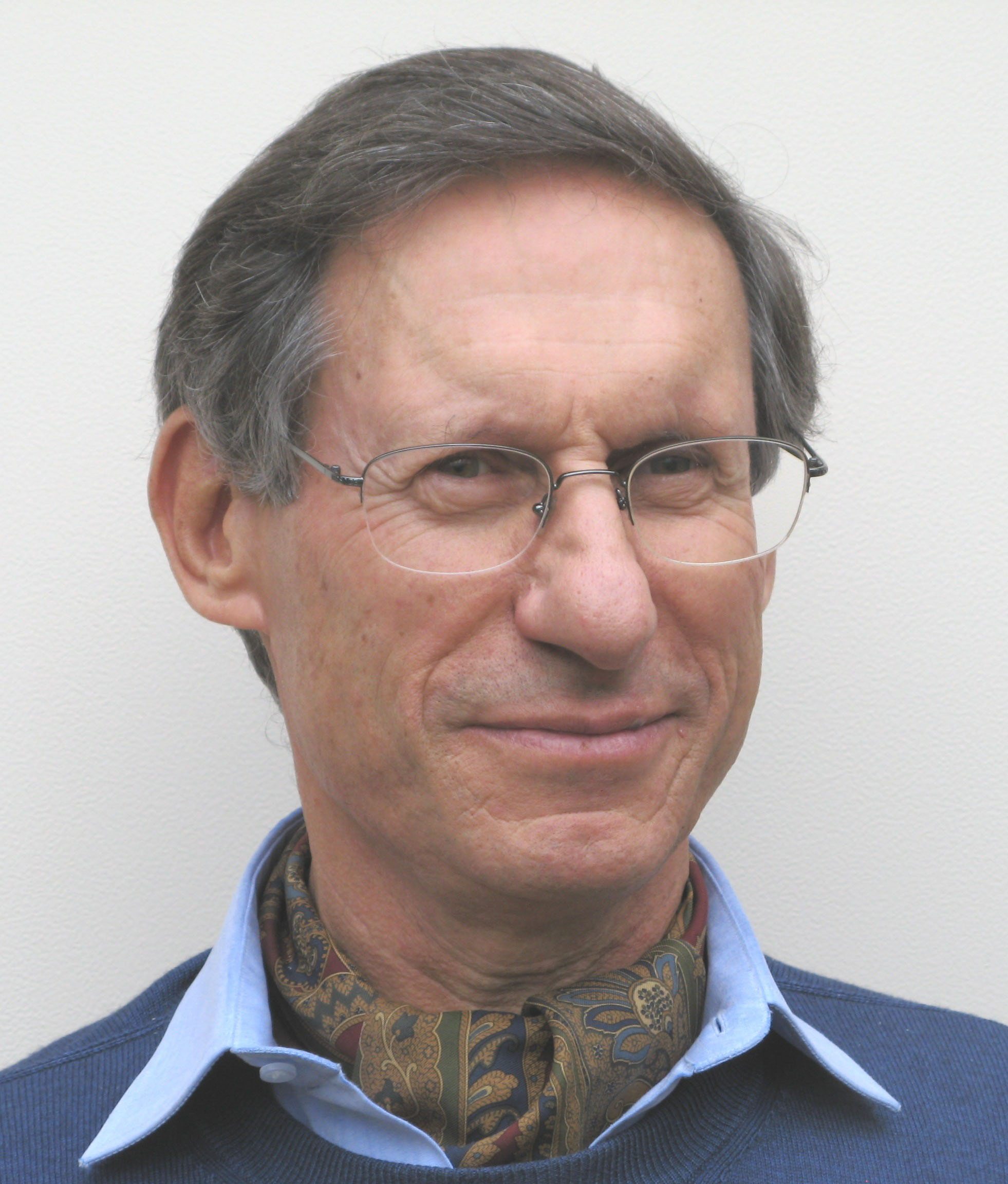
About the Author

Pierre Goldschmidt

Former Nonresident Senior Associate, Nuclear Policy Program

Goldschmidt was a nonresident senior associate at the Carnegie Endowment.

    Recent Work

  • Article
    A Realistic Approach Toward a Middle East Free of WMD

      Pierre Goldschmidt

  • Article
    Serious Deficiencies Exposed by Latest IAEA Safeguards Implementation Report

      Pierre Goldschmidt

Pierre Goldschmidt
Former Nonresident Senior Associate, Nuclear Policy Program
Pierre Goldschmidt
Nuclear PolicyNuclear EnergyMiddle EastIran

Carnegie does not take institutional positions on public policy issues; the views represented herein are those of the author(s) and do not necessarily reflect the views of Carnegie, its staff, or its trustees.

More Work from Malcolm H. Kerr Carnegie Middle East Center

  • Commentary
    Diwan
    Hezbollah’s Wartime Strategy

    The party’s objectives involve tying together the Lebanese and Iranian fronts, while surviving militarily and politically at home. 

      Mohamad Fawaz

  • Commentary
    Diwan
    Iran Rewrites Its War Strategy

    In an interview, Hamidreza Azizi discusses how Tehran has adapted in real time to the conflict with the United States and Israel.

      Michael Young

  • Commentary
    Diwan
    What Does the Strait of Hormuz’s Closure Mean?

    In an interview, Roger Diwan discusses where the global economy may be going in the third week of the U.S.-Israeli war with Iran.

      Nur Arafeh

  • Commentary
    Diwan
    Tehran’s Easy Targets

    In an interview, Andrew Leber discusses the impact the U.S. and Israeli war against Iran is having on Arab Gulf states.

      Michael Young

  • Commentary
    Diwan
    The Gulf Conflict and the South Caucasus

    In an interview, Sergei Melkonian discusses Armenia’s and Azerbaijan’s careful balancing act among the United States, Israel, and Iran.

      Armenak Tokmajyan

Get more news and analysis from
Malcolm H. Kerr Carnegie Middle East Center
Carnegie Middle East logo, white
  • Research
  • Diwan
  • About
  • Experts
  • Projects
  • Events
  • Contact
  • Careers
  • Privacy
  • For Media
Get more news and analysis from
Malcolm H. Kerr Carnegie Middle East Center
© 2026 Carnegie Endowment for International Peace. All rights reserved.







