• Research
  • Diwan
  • About
  • Experts
Carnegie Middle East logoCarnegie lettermark logo
LebanonIran
{
  "authors": [],
  "type": "pressRelease",
  "centerAffiliationAll": "dc",
  "centers": [
    "Carnegie Endowment for International Peace"
  ],
  "collections": [],
  "englishNewsletterAll": "asia",
  "nonEnglishNewsletterAll": "",
  "primaryCenter": "Carnegie Endowment for International Peace",
  "programAffiliation": "AP",
  "programs": [
    "Asia",
    "Sustainability, Climate, and Geopolitics"
  ],
  "projects": [],
  "regions": [
    "China",
    "North America"
  ],
  "topics": [
    "Economy",
    "Trade"
  ]
}
REQUIRED IMAGE

REQUIRED IMAGE

Press Release

Press Release: Financial Hurdles Hinder Clean Energy Development in China

Link Copied
Published on Dec 7, 2007

WASHINGTON, Dec 6— As delegates in Bali struggle to agree on a climate change treaty, a new report from the Carnegie Endowment argues that reforming China's financial sector can curb China's greenhouse gas emissions even as work continues on an international treaty. China's impressive national policies to promote clean and renewable energy have been undermined by unnecessary financial hurdles and bureaucratic struggles that increase financial risks and costs for potential investors.

In Financing Energy Efficiency in China, leading climate expert and Carnegie Senior Associate William Chandler argues that restrictions on debt financing and foreign equity investment, unfavorable tax policies, and even the United Nations' emissions trading system all discourage foreign investment in clean energy in China.

Chandler concludes that to encourage investment in clean energy, China should:

  • Exempt clean energy investments from foreign exchange, foreign-invested enterprise, and industrial policy controls;
  • provide tax exemptions for clean energy companies and services—particularly in regards to the value added tax (VAT), which sucks up 17 percent of total revenues;
  • make risk-based clean energy lending more worthwhile for banks;
  • provide loan guarantees for energy-efficiency projects in China;
  • reduce required paperwork for clean energy investment; and
  • address restrictions created through the emissions trading system that actually increase risk to investors.

“Removing barriers to clean energy investment in China is an essential step toward climate protection. The incentives and rules of a global climate treaty will be blunted and frustrated by distortions of the world's largest potential clean energy marketplace unless policy makers recognize and deal with the realities of that market,” argues Chandler.

###

NOTES

  • Direct link to the PDF: www.carnegieendowment.org/files/clean_energy_final1.pdf
  • William Chandler is a senior associate at the Carnegie Endowment and director of the Energy and Climate Program. Chandler has spent over 35 years working in energy and environmental policy and was a lead author for the Nobel Prize winning Intergovernmental Panel on Climate Change. He is president of Transition Energy, co-founder of DEED China, and founder and former director of Advanced International Studies at the Joint Global Change Research Institute. Chandler received the 1992 Champion of Energy-Efficiency Award from the American Council for an Energy Efficient Economy for his work. In 1999, he received the first Global Climate Leadership Award from the International Energy Agency. He has authored or co-authored ten books which have been favorably reviewed by scholarly and popular critics and translated into several foreign languages.
  • The Carnegie Energy and Climate Program aims to provide leadership in global energy and climate policy. The program integrates thinking on energy technology, environmental science, and political economy to reduce risks stemming from global change and competition for scarce resources. It will create new products and collaborate with Carnegie experts around the world to provide information and change the way policy makers think about energy policy.
  • Press Contact: Trent Perrotto, 212/939-2372, tperrotto@ceip.org
EconomyTradeChinaNorth America

Carnegie does not take institutional positions on public policy issues; the views represented herein are those of the author(s) and do not necessarily reflect the views of Carnegie, its staff, or its trustees.

More Work from Malcolm H. Kerr Carnegie Middle East Center

  • Commentary
    Diwan
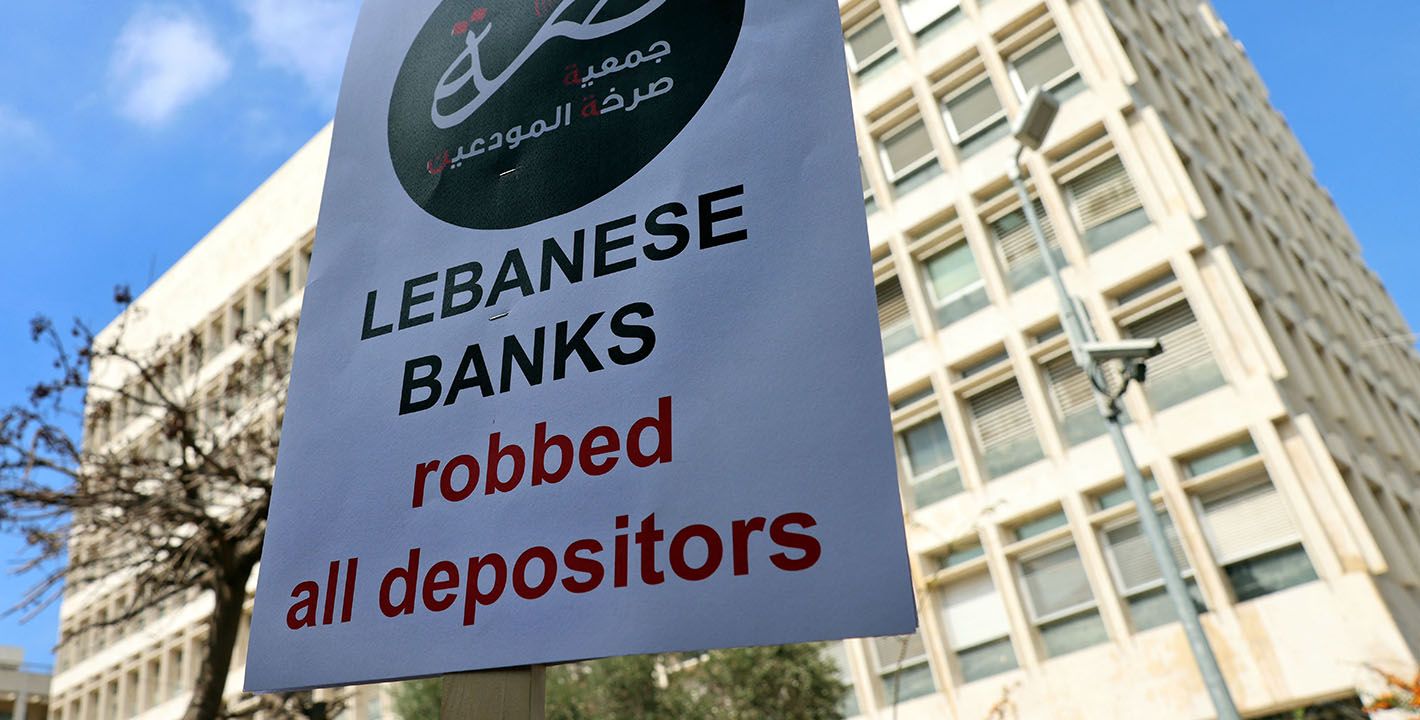
    Unpacking Lebanon’s Gap Law

    In an interview, Ishac Diwan looks at the merits and flaws in the draft legislation distributing losses from the financial collapse.

      Michael Young

  • Commentary
    Diwan
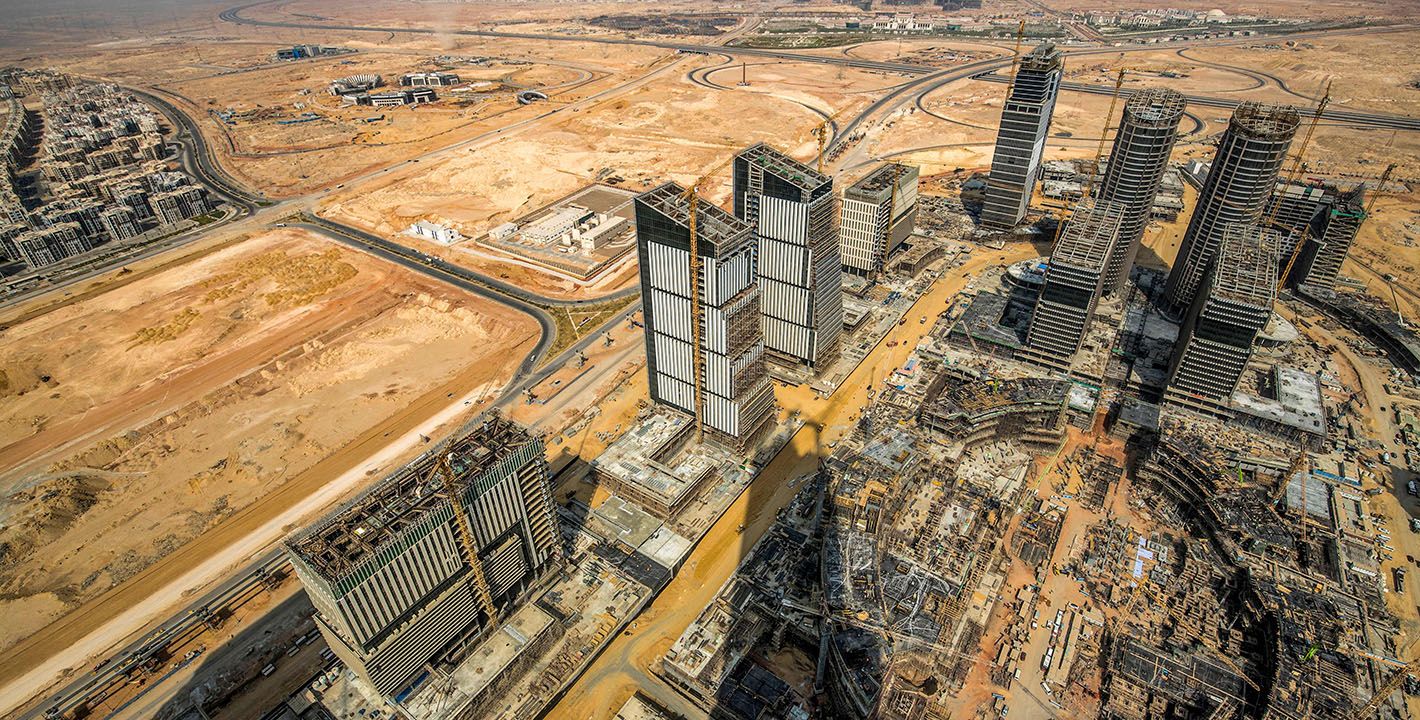
    Has Sisi Found a Competent Military Entrepreneur?

    Mustaqbal Misr has expanded its portfolio with remarkable speed, but a lack of transparency remains.

      Yezid Sayigh

  • Research
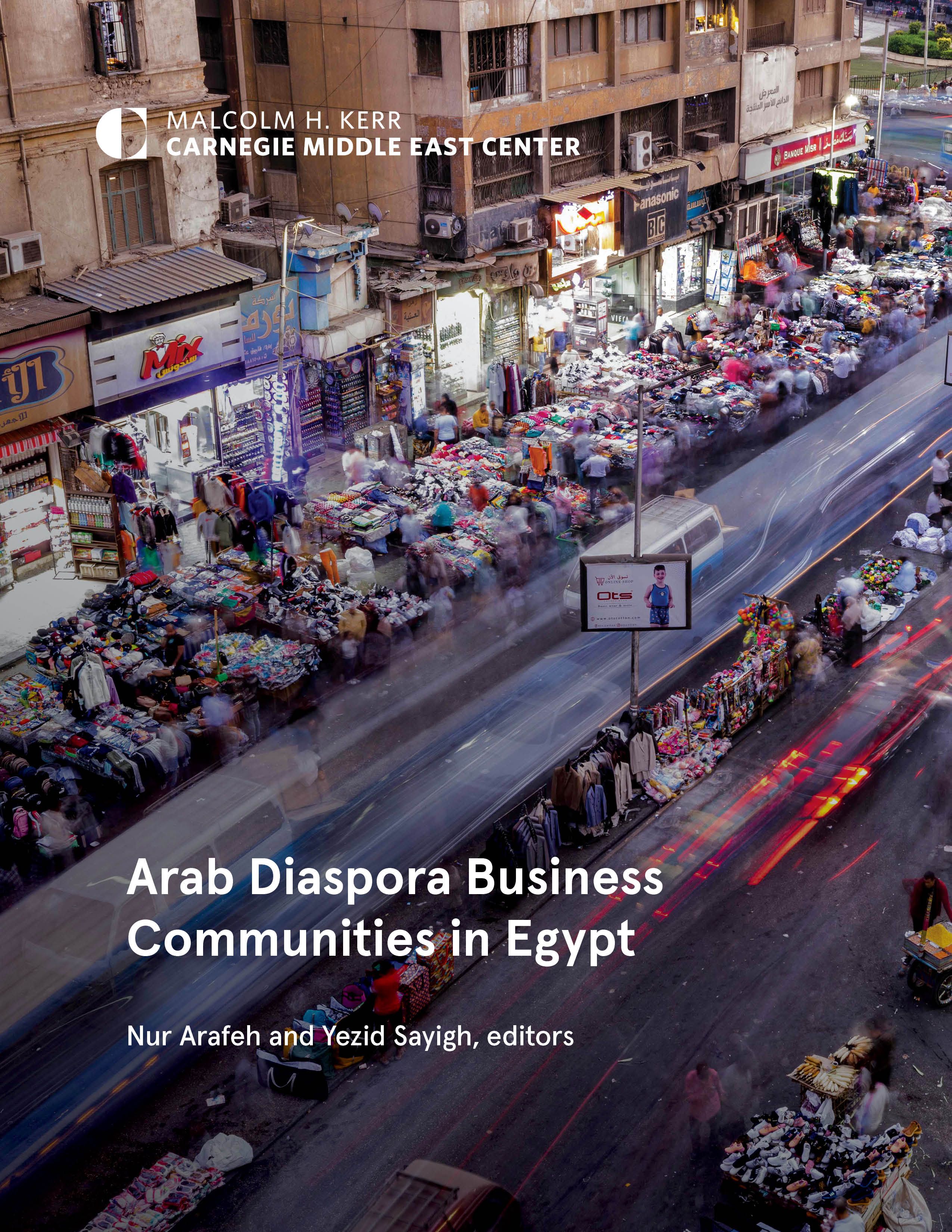
    Arab Diaspora Business Communities in Egypt

    Arab diaspora business communities in Egypt often mirror the same systemic challenges facing Egyptian businesses.

      • +4

      Nur Arafeh, Yezid Sayigh, Qaboul al-Absi, …

  • Article
    Saudi Arabia in Africa: Sound Economic and Geopolitical Strategy, or Resource Exploitation?

    Largely characterized thus far by a single-minded focus on extractivism, Riyadh must commit to greater equitability in its approach to investment and development deals with Sudan, Ethiopia, and Eritrea.

      Hesham Alghannam

  • A picture taken from a position at the Israeli border with the Gaza Strip shows the destruction due to Israeli bombardment in the besieged Palestinian territory on May 18, 2025
    Article
    Destruction, Disempowerment, and Dispossession: Disaster Capitalism and the Postwar Plans for Gaza

    Once Israel’s war in the territory is brought to an end, the foundational principles guiding reconstruction should be Palestinian self-determination, local agency, and sovereignty.

      Nur Arafeh, Mandy Turner

Get more news and analysis from
Malcolm H. Kerr Carnegie Middle East Center
Carnegie Middle East logo, white
  • Research
  • Diwan
  • About
  • Experts
  • Projects
  • Events
  • Contact
  • Careers
  • Privacy
  • For Media
Get more news and analysis from
Malcolm H. Kerr Carnegie Middle East Center
© 2026 Carnegie Endowment for International Peace. All rights reserved.