

Commentary
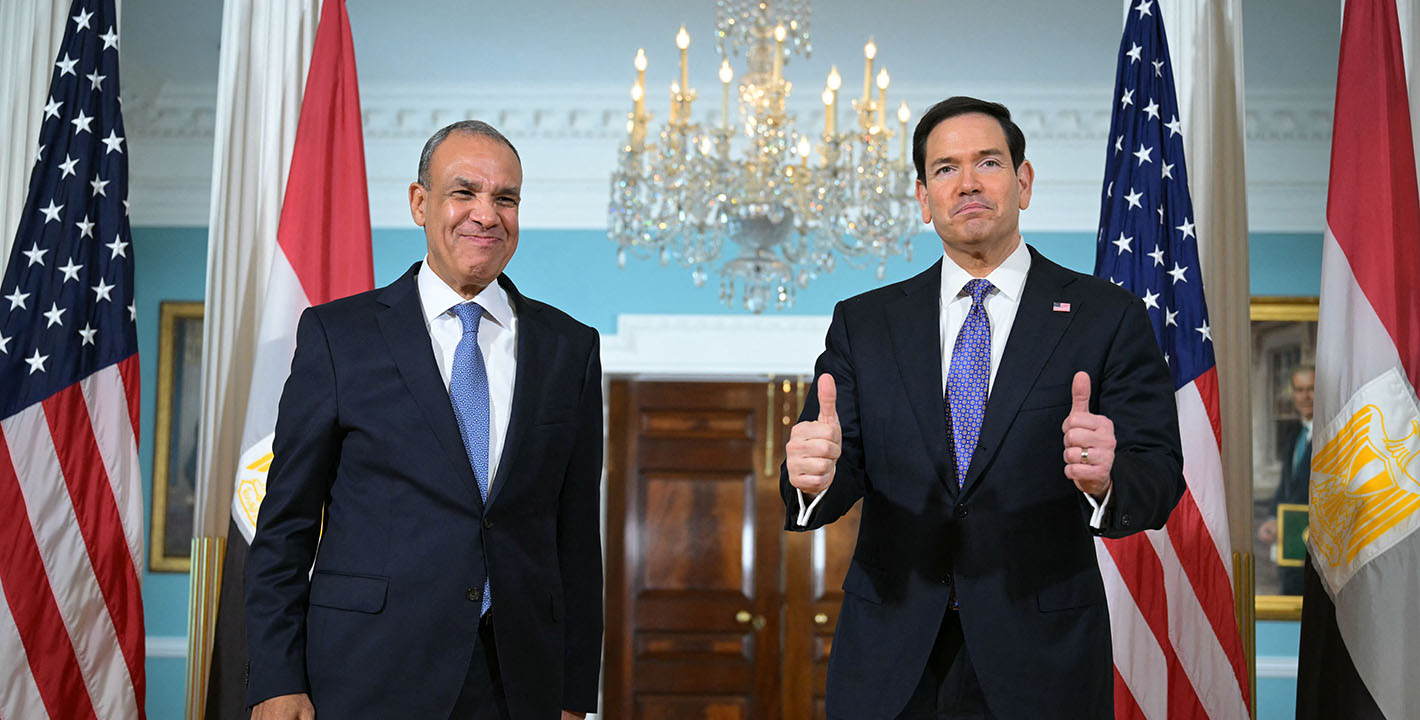
Cairo’s efforts send a message to the United States and the region that it still has a place at the diplomatic table.
Angie Omar
{
  "authors": [],
  "type": "pressRelease",
  "centerAffiliationAll": "dc",
  "centers": [
    "Carnegie Endowment for International Peace"
  ],
  "collections": [],
  "englishNewsletterAll": "menaTransitions",
  "nonEnglishNewsletterAll": "",
  "primaryCenter": "Carnegie Endowment for International Peace",
  "programAffiliation": "MEP",
  "programs": [
    "Middle East"
  ],
  "projects": [],
  "regions": [
    "Egypt"
  ],
  "topics": [
    "Political Reform"
  ]
}
REQUIRED IMAGE
The production of a political platform by Egypt's Muslim Brotherhood is a sign that real developments—some encouraging, some worrying—are occurring in Egyptian politics. While the Muslim Brotherhood is prevented by the government from forming a political party,the release of a platform signaled what sort of party they would found if allowed to do so.
WASHINGTON, Jan 22—The production of a political platform by Egypt's Muslim Brotherhood is a sign that real developments—some encouraging, some worrying—are occurring in Egyptian politics. While the Muslim Brotherhood is prevented by Egypt's government from forming a political party—a ban unlikely to be overturned in the near future—the release of a platform signaled what sort of party they would found if allowed to do so, according to a new report from the Carnegie Endowment.
In The Draft Party Platform of the Egyptian Muslim Brotherhood: Foray Into Political Integration or Retreat Into Old Positions?, Senior Associates Nathan Brown and Amr Hamzawy analyze the draft platform's mixed signals—surprising progressive reforms; regressive, controversial stances; and the chances of achieving a consensus on the anticipated final document.
Encouragingly, the platform advances notions of freedom of religion and expression, pluralistic politics, property rights, women's enfranchisement, and state sovereignty. Yet it also called for the establishment of a council of elected senior religious scholars, effectively placing the government under the scrutiny of an extra-constitutional entity—a regression from more moderate positions upheld by the movement's leadership in recent years.
Key Conclusions:
The platform was designed to regain momentum following a marked increase in government restrictions on the Brotherhood after their success in the 2005 parliamentary elections. However, caught between the expectations of loyal activists, who strongly support the implementation of shari'a law, and alienating the more moderate public, disputes among Brotherhood leaders over the platform showed confusion and a lack of consensus over strategy at this critical juncture.
“Brotherhood leaders were aware from the beginning of the limits of what a platform could accomplish. At most it could show Egyptians what a Brotherhood party would look like, but the regime, the law, and now the constitution seem to be far more serious obstacles than public opinion to a Muslim Brotherhood party. The platform shows that the movement is still very much struggling with how to handle the demands of its ambition to be a normal political actor. But no amount of internal debate is likely to reassure a regime that seems unable to accept any serious political actor as a legitimate partner in Egyptian political life,” the authors concluded.
###

Carnegie does not take institutional positions on public policy issues; the views represented herein are those of the author(s) and do not necessarily reflect the views of Carnegie, its staff, or its trustees.
Cairo’s efforts send a message to the United States and the region that it still has a place at the diplomatic table.

Angie Omar
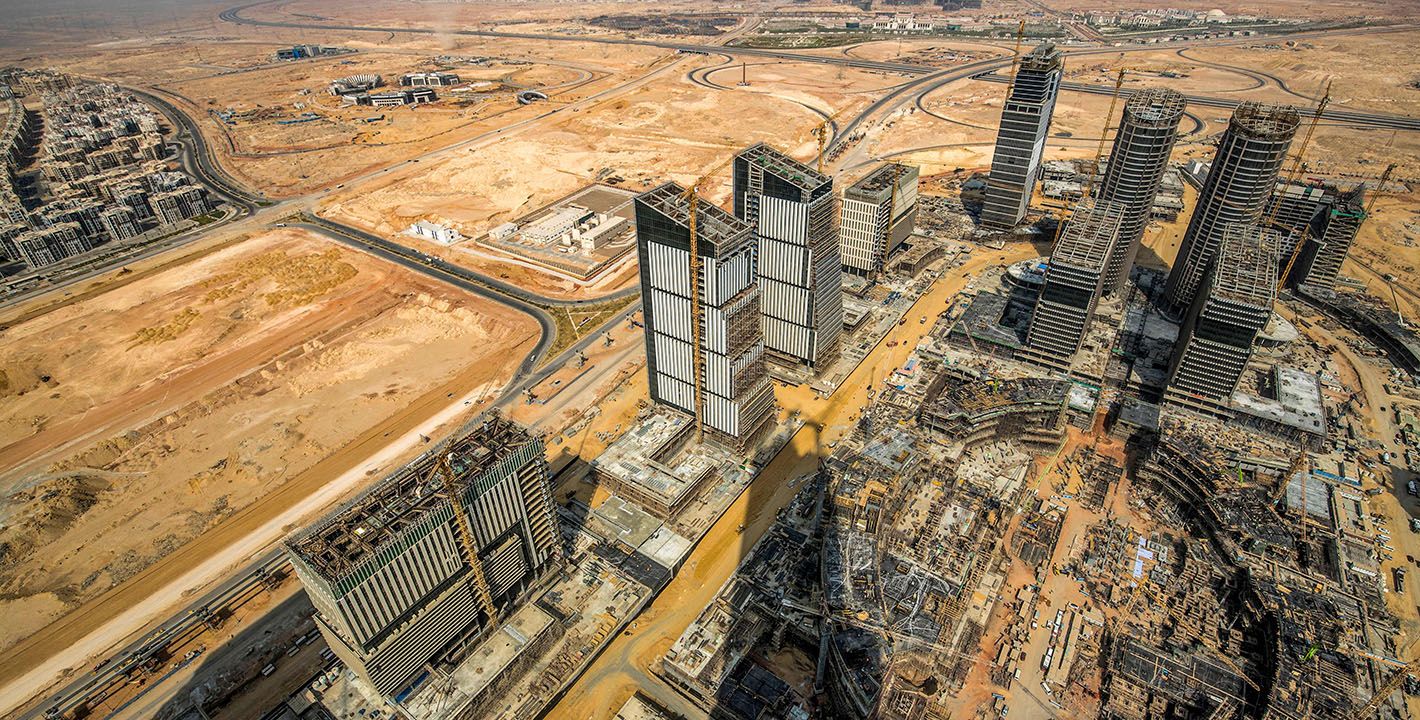
Mustaqbal Misr has expanded its portfolio with remarkable speed, but a lack of transparency remains.

Yezid Sayigh
Arab diaspora business communities in Egypt often mirror the same systemic challenges facing Egyptian businesses.
Nur Arafeh, Yezid Sayigh, Qaboul al-Absi, …
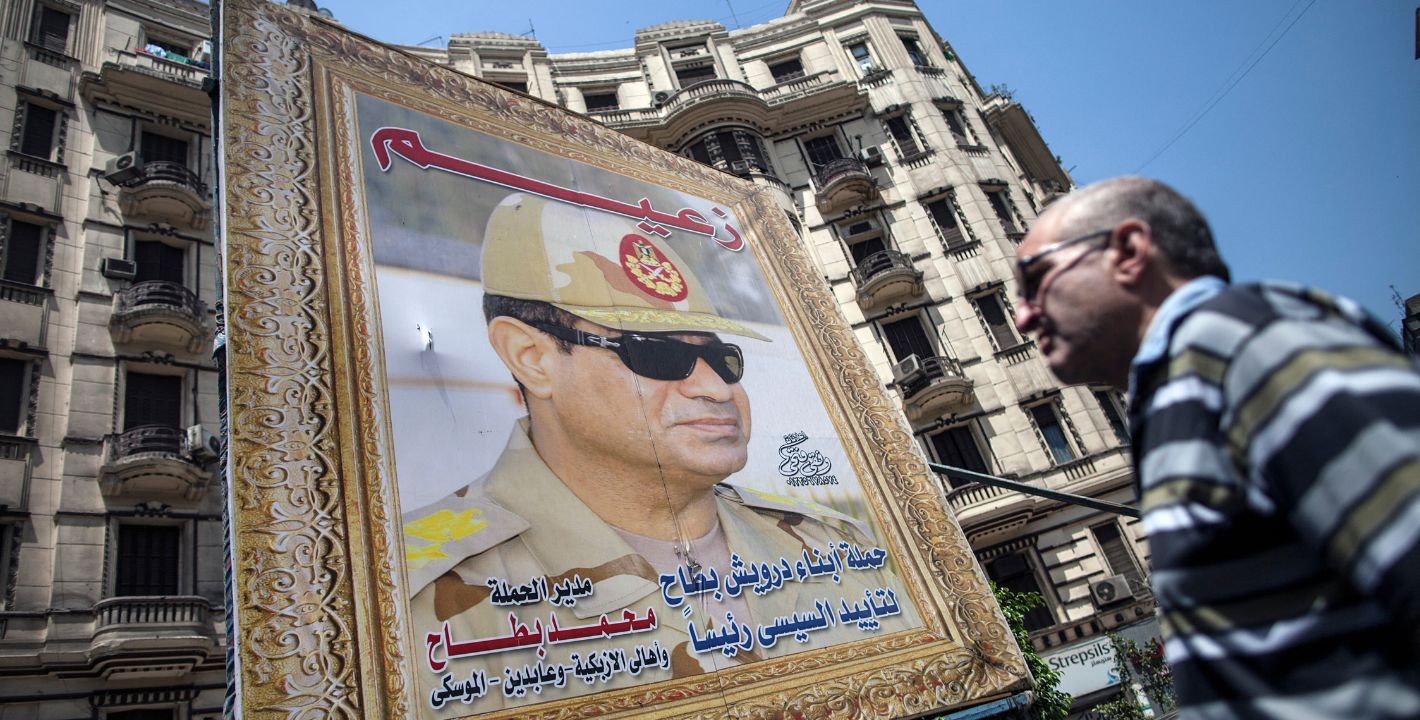
The president has blocked the emergence of new power centers within the Egyptian regime.
Yezid Sayigh
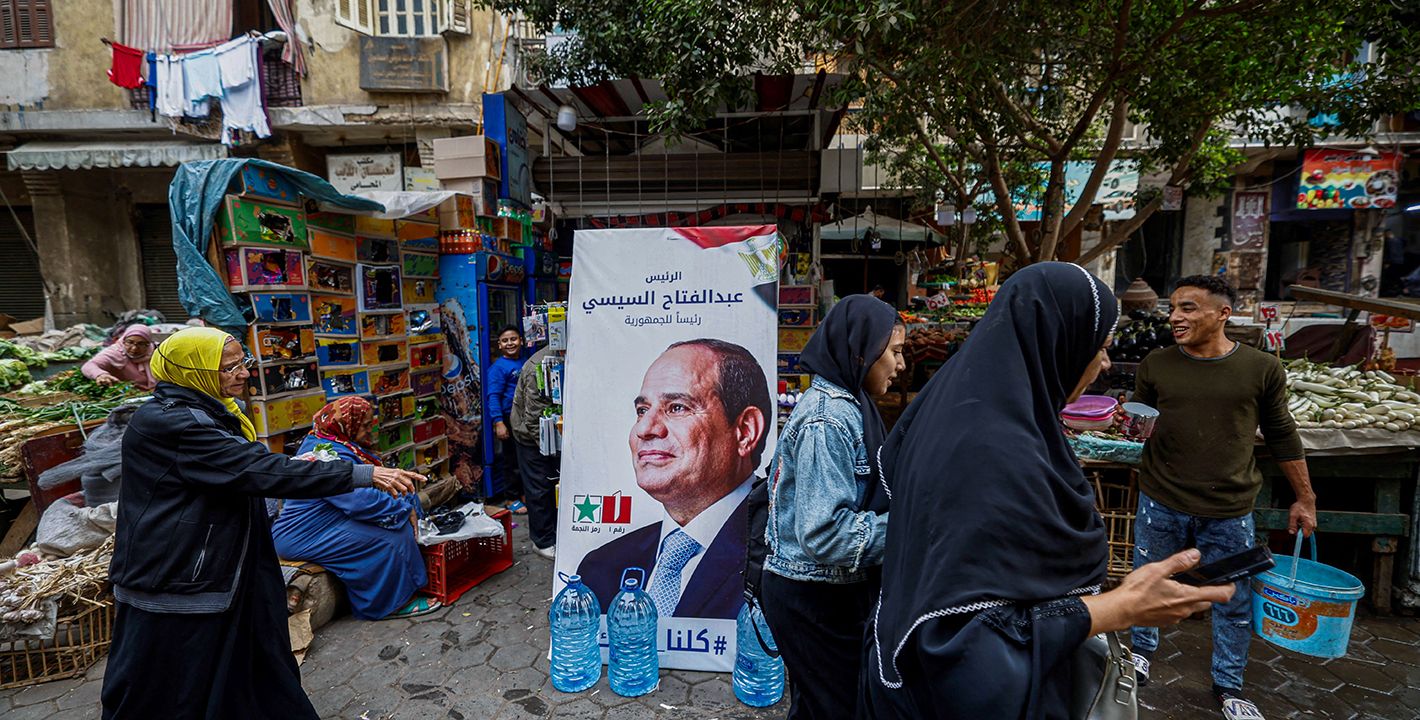
Egyptian President Abdel-Fattah el-Sisi is building a new republic defined by a social ethos of “nothing for free,” a new form of state capitalism, and hyperpresidential powers set within a military guardianship that secures his regime but leaves it unable to resolve political, economic, and social challenges.
Yezid Sayigh