The Carnegie Endowment for International Peace announced January 17, 2008 that leading poverty and development expert Eduardo Zepeda has joined its Trade, Equity, and Development Program as a senior associate.
Link Copied
Published on Jan 17, 2008
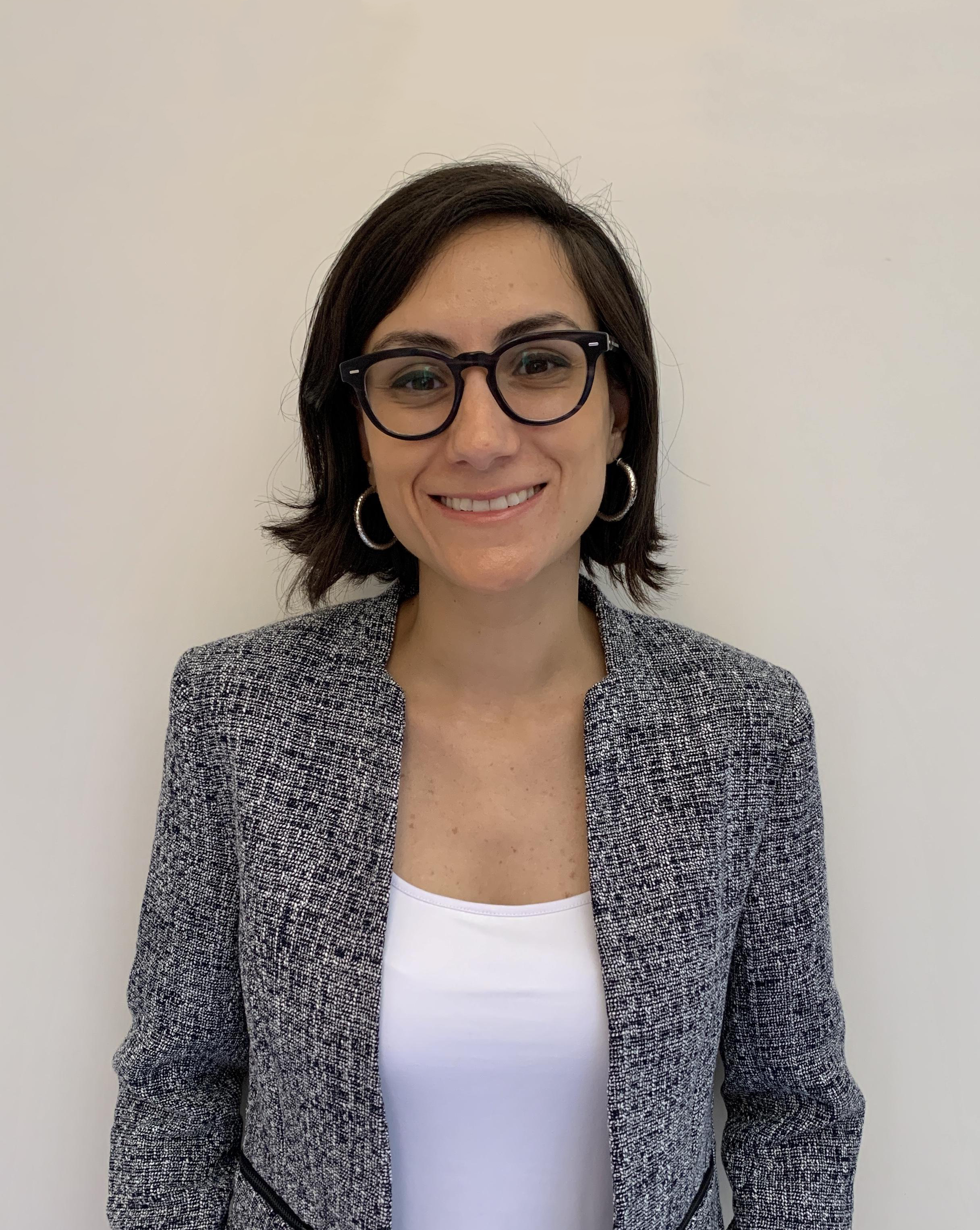
WASHINGTON, Jan 17—The Carnegie Endowment for International Peace announced today that leading poverty and development expert Eduardo Zepeda has joined its Trade, Equity, and Development Program as a senior associate.
Zepeda, an expert on the economies of Brazil, Kenya, and Mexico, will focus his work at the Endowment on global trade negotiations and their implications for developing regions and countries. In particular, his research will address policies of poverty eradication, such as boosting employment and promoting other income-generating activities.
Zepeda comes to Carnegie from the United Nations Development Program (UNDP), where he will continue to serve as a policy advisor to the Bureau for Development Policy’s Poverty Group. He has served in the Office of the President in Mexico as the economic and social policy coordinator in the Unit of Analysis, and was a fellow at the Center for U.S.-Mexican Studies at the University of California, San Diego.
Sandra Polaski, director of the Trade, Equity, and Development Program, welcoming the Program’s new addition, said:
“The Trade, Equity, and Development Program is very pleased to welcome Eduardo. His research will enable Carnegie to look at the links between trade policies and other policies that could improve the impact of globalization for households and workers, especially in developing and poor countries. By exploring these relationships more deeply, we expect to be able to offer broader packages of substantive policy solutions to governments and publics.”
Zepeda said:
“I am very excited to be joining the Carnegie Endowment at a time when their NEW VISION is truly engendering cooperation and collaboration at all levels—between individuals, between organizations, between countries. I embrace the opportunity to stimulate the dialogue on critical issues of poverty and economic development.”
The Trade, Equity, and Development Program undertakes analysis and promotes policies and strategies to make global economic integration work for more countries and more people. The program focuses on developing countries and its ground level approach is unique among think tanks and development institutions.
Building on the successful establishment of the Carnegie Moscow Center fourteen years ago, and following its century-long practice of adapting to radically-changed global circumstances, the Endowment has undertaken a fundamental re-definition of its role and mission. Carnegie announced in early February that it had added operations in Beijing, Beirut, and Brussels to its existing offices in Washingtonand Moscow, pioneering the idea that a think tank whose mission is to contribute to global security, stability and prosperity requires a permanent international presence and a multinational outlook at the core of its operations. These five locations include the centers of world governance and the three places where political reform and evolution will most determine the near term possibilities for international peace and economic advancement. To read more about the Carnegie Endowment’s NEW VISION, please click here or visit www.carnegieendowment.org/newvision.
Carnegie does not take institutional positions on public policy issues; the views represented herein are those of the author(s) and do not necessarily reflect the views of Carnegie, its staff, or its trustees.
More Work from Malcolm H. Kerr Carnegie Middle East Center
The armed forces champion a form of capitalism that is generating revenue, but its reliance on rent faces diminishing returns, leaving the country with massive sunk costs and deferred returns, deepening dependency on external borrowing.