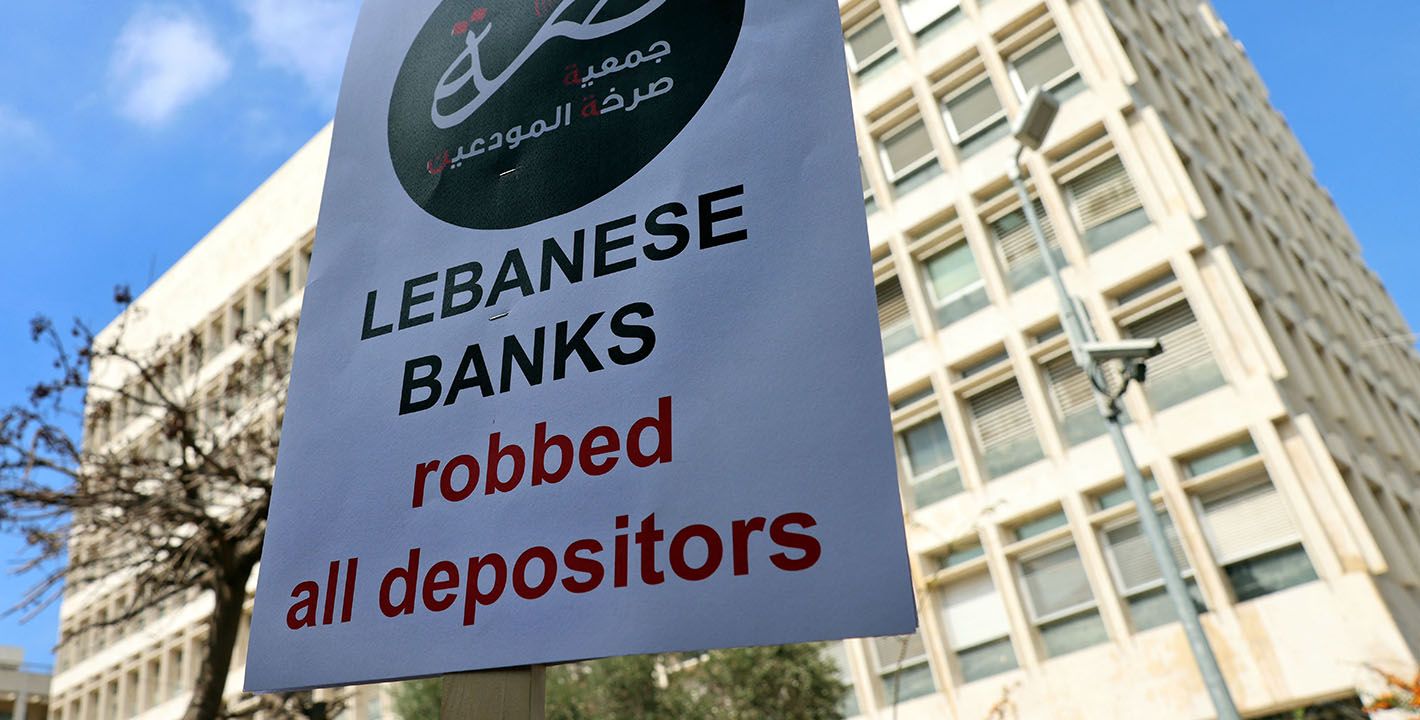
In an interview, Ishac Diwan looks at the merits and flaws in the draft legislation distributing losses from the financial collapse.
Michael Young
{
"authors": [],
"type": "pressRelease",
"centerAffiliationAll": "",
"centers": [
"Carnegie Endowment for International Peace"
],
"collections": [],
"englishNewsletterAll": "",
"nonEnglishNewsletterAll": "",
"primaryCenter": "Carnegie Endowment for International Peace",
"programAffiliation": "",
"programs": [],
"projects": [],
"regions": [
"North America",
"China"
],
"topics": [
"Economy",
"Trade"
]
}REQUIRED IMAGE
In a new policy outlook, Sandra Polaski re-examines conventional wisdom about rising food prices, their impact on global poverty, and how trade policy should respond. She finds it is largely wrong.
WASHINGTON, May 22—A new analysis of rising food prices finds that although many of the world’s poor will require urgent assistance, more are likely to gain than lose. It also recommends how the Doha Round negotiations, which might soon produce a deal, could help by:
In a new policy outlook, Rising Food Prices, Poverty, and the Doha Round, Sandra Polaski re-examines conventional wisdom about rising food prices, their impact on global poverty, and how trade policy should respond. She finds it is largely wrong.
Polaski reviews the causes of high food prices that are susceptible to action by governments, including several that grew out of past policy mistakes. She then presents recent evidence on how food prices affect the poor.
Polaski points out that all sophisticated models of the Doha Round conclude that it would raise food prices modestly, but she argues that a carefully crafted agreement could nonetheless play a positive role in improving global food security and reducing future hunger and poverty. However, proper diagnosis of the problem will be required to avoid counterproductive measures that could have disastrous results.
Key Conclusions:
###

Carnegie does not take institutional positions on public policy issues; the views represented herein are those of the author(s) and do not necessarily reflect the views of Carnegie, its staff, or its trustees.
In an interview, Ishac Diwan looks at the merits and flaws in the draft legislation distributing losses from the financial collapse.
Michael Young
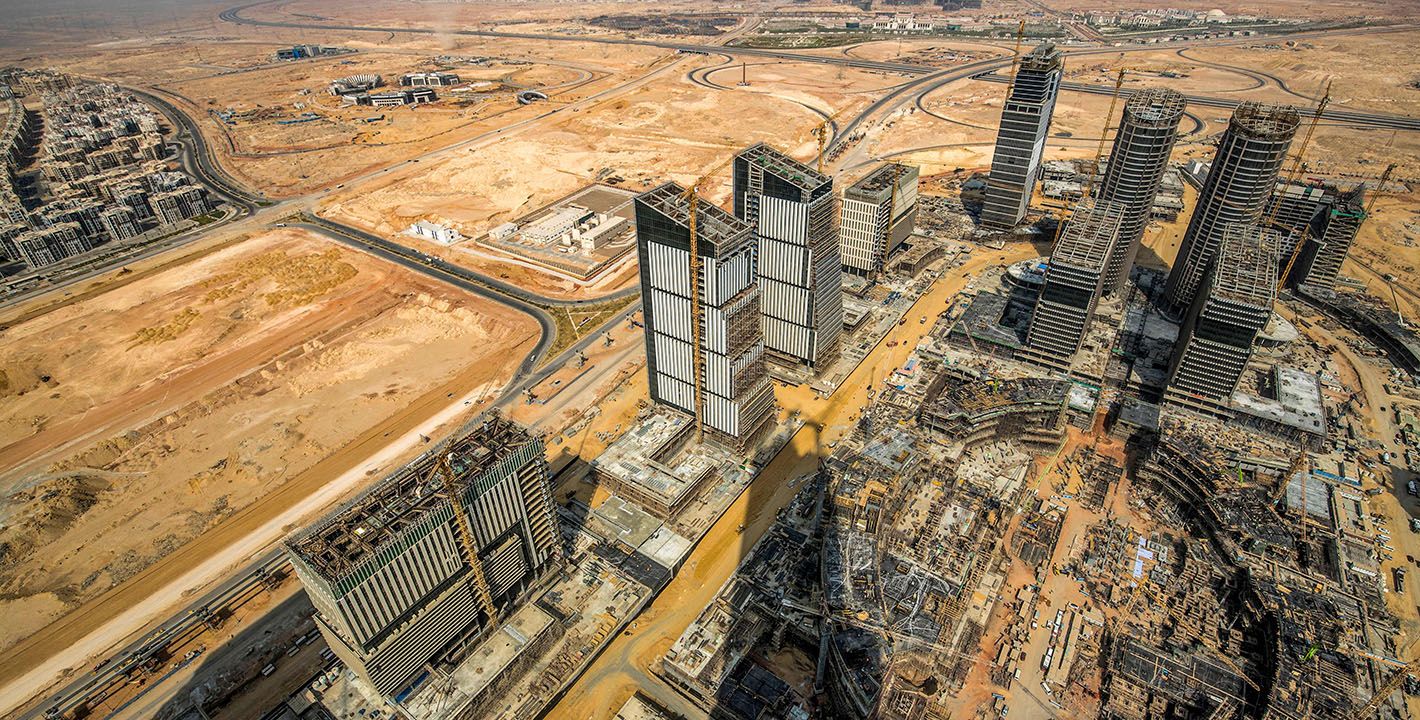
Mustaqbal Misr has expanded its portfolio with remarkable speed, but a lack of transparency remains.
Yezid Sayigh
Arab diaspora business communities in Egypt often mirror the same systemic challenges facing Egyptian businesses.
Nur Arafeh, Yezid Sayigh, Qaboul al-Absi, …
Largely characterized thus far by a single-minded focus on extractivism, Riyadh must commit to greater equitability in its approach to investment and development deals with Sudan, Ethiopia, and Eritrea.
Hesham Alghannam
Once Israel’s war in the territory is brought to an end, the foundational principles guiding reconstruction should be Palestinian self-determination, local agency, and sovereignty.
Nur Arafeh, Mandy Turner