

Commentary
The accord represents a pivotal moment in the region to avert a security vacuum in the Gulf.
Azeema Cheema, Mohanad Hage Ali
{
  "authors": [],
  "type": "pressRelease",
  "centerAffiliationAll": "dc",
  "centers": [
    "Carnegie Endowment for International Peace"
  ],
  "collections": [],
  "englishNewsletterAll": "menaTransitions",
  "nonEnglishNewsletterAll": "",
  "primaryCenter": "Carnegie Endowment for International Peace",
  "programAffiliation": "MEP",
  "programs": [
    "Middle East"
  ],
  "projects": [],
  "regions": [
    "Middle East",
    "Iran",
    "Türkiye",
    "Egypt",
    "Lebanon",
    "Jordan",
    "Syria",
    "Saudi Arabia"
  ],
  "topics": [
    "Political Reform",
    "Economy"
  ]
}
REQUIRED IMAGE
There have been many attempts by the international community to impose order in the Middle East. The reality is that Arab states must themselves overcome divisive ideologies, prioritize common interests, and develop a cooperative political and security architecture if a new regional order is to come to fruition.
BEIRUT, Lebanon, July 30—There have been many attempts by the international community to impose order in the Middle East. The reality is that Arab states must themselves overcome divisive ideologies, prioritize common interests, and develop a cooperative political and security architecture if a new regional order is to come to fruition, argues Paul Salem, director of the Carnegie Middle East Center in Beirut.
In The Middle East: Evolution of a Broken Regional Order, Salem identifies patterns and trends in the dynamic history between the countries of the Middle East—through the collapse of Ottoman rule, European mandates, and the post-World War II developments in the region—that help to understand how Arab states, as well as Turkey and Iran, have shaped their policies, particularly after 9/11 and the U.S. invasion of Iraq. The paper introduces a series of country-by-country studies that will examine how key players in the Middle East—namely Iran, Turkey, Saudi Arabia, Syria, Jordan, and Egypt—have responded.
Salem offers analysis of:
"The events of the past few years have broken the precarious old Middle East order without replacing it with a new one. And although rival external and regional players have been pushing their own agendas for a new regional order, none of them has prevailed. The competition among these rival visions and forces appears destined to continue in the years ahead. In the meantime, meetings of countries neighboring Iraq have been taking place, first in Egypt, then in Turkey and Kuwait. Participants in addition to Iraq have included Iran, Turkey, and key Arab countries. Discussions have focused on exploring potential common ground on security as well as political and economic issues. These meetings have been encouraged by the United States and the international community; their progress, however, has been slow, as tensions within Iraq and the region continue to make the main players wary of each other."
###

Carnegie does not take institutional positions on public policy issues; the views represented herein are those of the author(s) and do not necessarily reflect the views of Carnegie, its staff, or its trustees.

The accord represents a pivotal moment in the region to avert a security vacuum in the Gulf.


Azeema Cheema, Mohanad Hage Ali
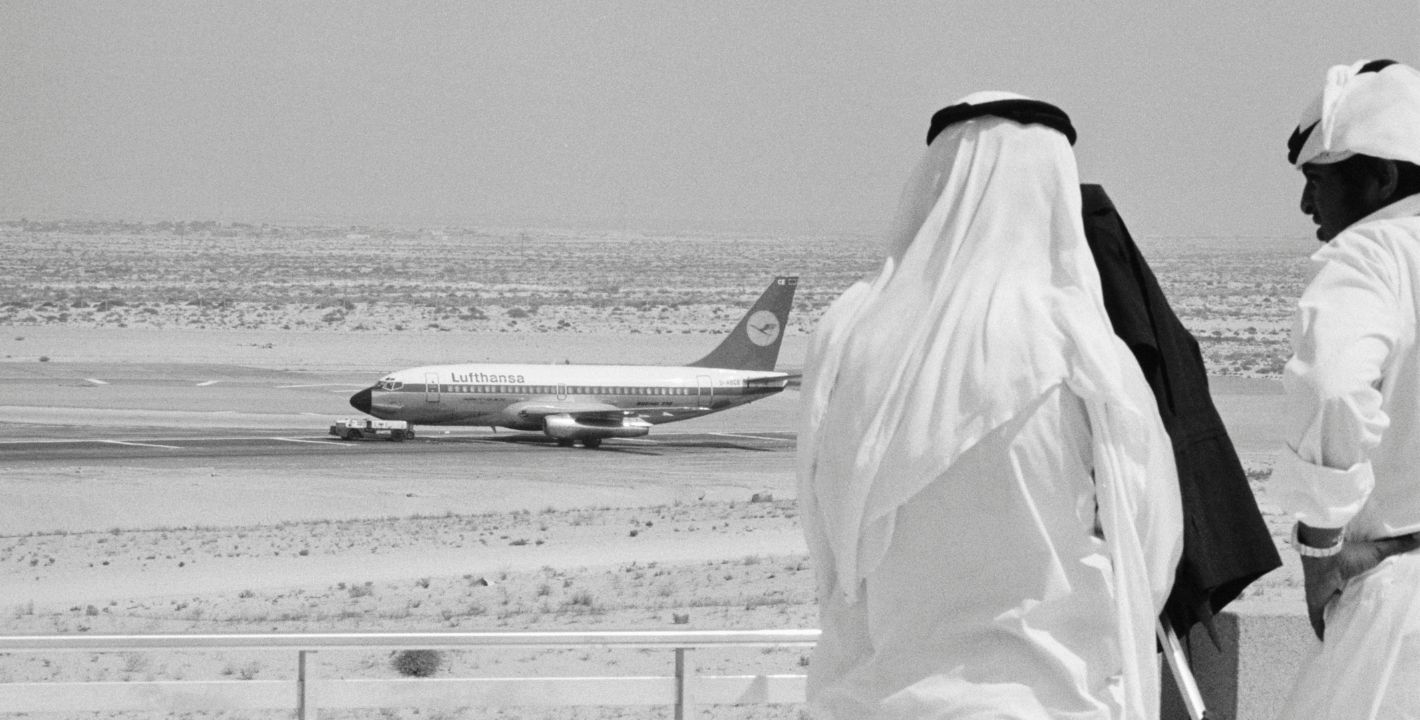
In an interview, Jason Burke discusses his sweeping account of the “revolutionists” who so shaped the 1970s and early 1980s.

Michael Young
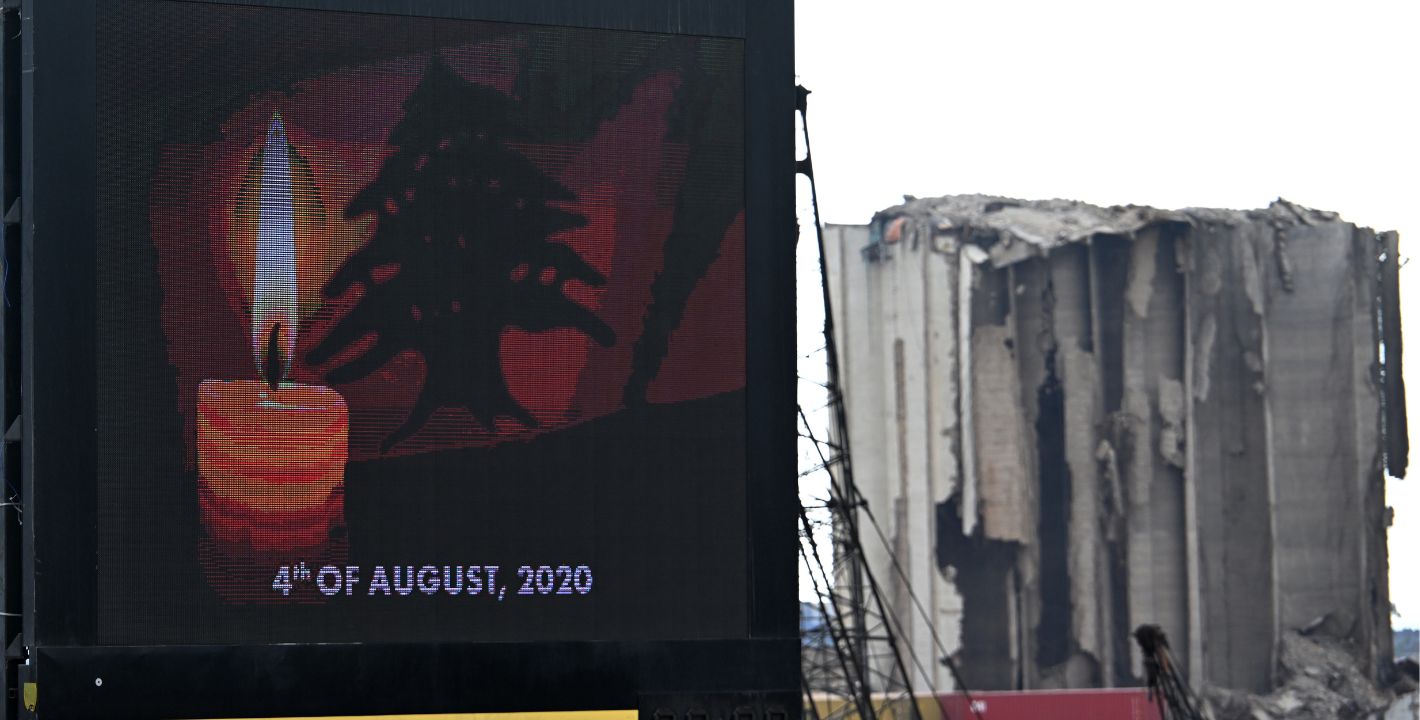
Lying at the heart of Lebanon’s dysfunction is an inability to secure accountability and institutional legitimacy.

Maha Yahya
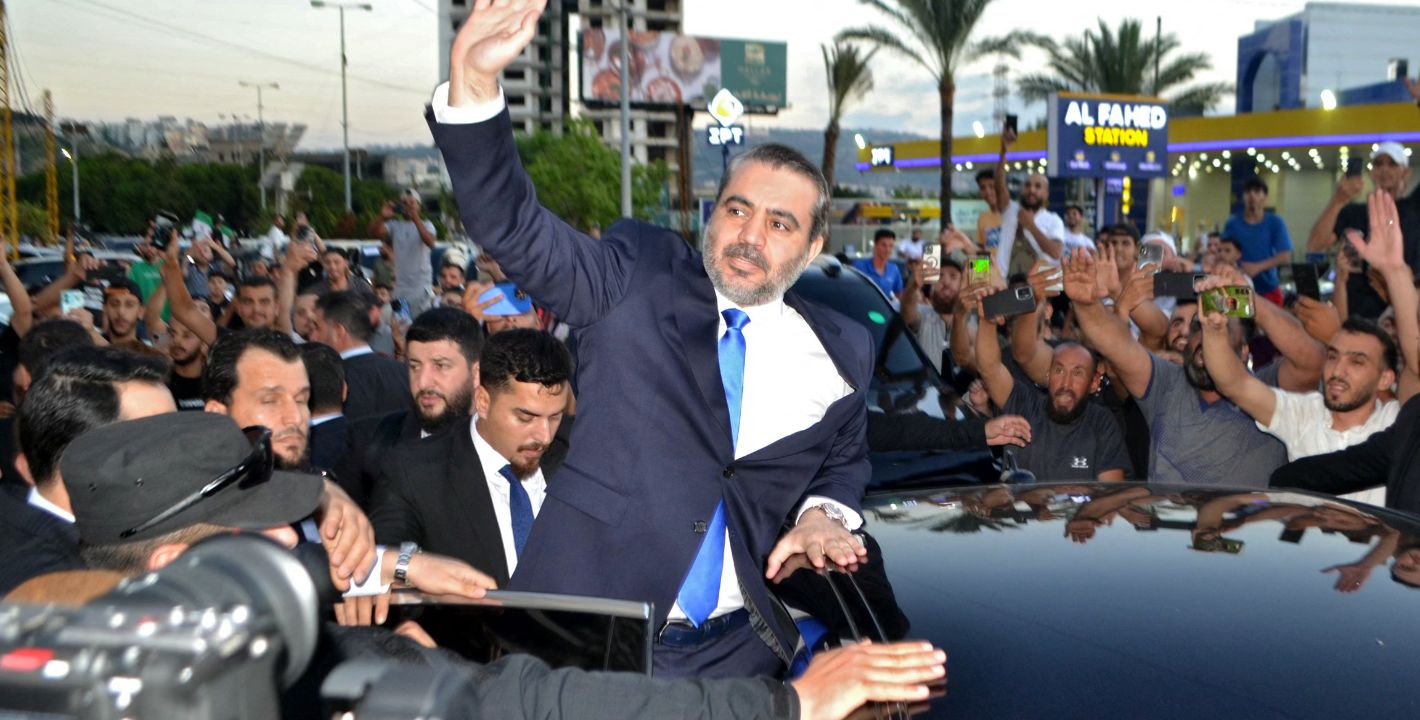
In an interview, Sohaib Jawhar analyzes the profound changes in the ties between the neighboring countries.
Michael Young

The armed forces champion a form of capitalism that is generating revenue, but its reliance on rent faces diminishing returns, leaving the country with massive sunk costs and deferred returns, deepening dependency on external borrowing.

Yezid Sayigh