

In The Media
Minxin Pei
{
  "authors": [
    "Minxin Pei"
  ],
  "type": "legacyinthemedia",
  "centerAffiliationAll": "dc",
  "centers": [
    "Carnegie Endowment for International Peace"
  ],
  "collections": [],
  "englishNewsletterAll": "asia",
  "nonEnglishNewsletterAll": "",
  "primaryCenter": "Carnegie Endowment for International Peace",
  "programAffiliation": "AP",
  "programs": [
    "Asia"
  ],
  "projects": [],
  "regions": [
    "China"
  ],
  "topics": [
    "Political Reform",
    "Democracy",
    "Economy"
  ]
}
Source: Getty
The massive overhaul of Beijing in preparation for the Olympic summer games was orchestrated by the state's top-down power structure without the participation of civil society. Minxin Pei explains in the Financial Times that political evolution historically associated with economic development is not taking place in China.
Source: Financial Times

For a nation known for its top-down, state-centric political system, this anomaly might seem trivial. But for those who have been hoping that China’s rapid economic modernisation will foster a vibrant civil society which will push for future democratisation, the weakness of Chinese NGOs must be a rude reminder that the political evolution historically associated with economic development is not taking place in China – or at least not as quickly as one might have hoped.
Of course, China’s economic development and opening to the outside world have given its people unprecedented personal freedom. In the 1980s, Beijing’s policy on civil society was also relatively liberal. NGOs faced fewer restrictions and flourished. However, following the Tiananmen crackdown in 1989, the Chinese government imposed registration requirements that made it very difficult for genuine NGOs to register and operate legally. The party feared that independent civic organisations would have the potential to challenge its authority.
Consequently, the growth of Chinese civil society, as measured by the number or quality of its NGOs, has woefully lagged behind China’s economic growth. China has more than 350,000 legally registered NGOs, but perhaps only about 10 per cent of them can be considered genuine NGOs in the western sense. Most of the rest are so-called “government-organised non-governmental organisations”, or Gongos, an appellation that would make George Orwell proud. As a rule, Gongos are affiliated with a government bureaucracy, headed by retired officials and funded by the state. They have no genuine autonomy.
Even among genuine NGOs, one cannot find civic groups, such as independent labour unions, student unions and religious groups, which are capable of large-scale collective action. Most Chinese NGOs are small groups engaged in leisure activities, environmental protection and local charity work like health and education. A promising development may be the formation of local chambers of commerce in Zhejiang province, where the private sector accounts for more than 90 per cent of the economic output. But this is the exception that proves the rule.
The hardline policy toward civil society was vindicated several years ago when the so-called “colour revolutions” swept through the Ukraine, Georgia and Kyrgyzstan. In China, as well as Russia, western-supported NGOs were seen as having played an outsized role in the ousting of unpopular regimes. Restrictions on Chinese NGOs were subsequently further tightened.
The Communist party perhaps knows better than anybody else the potential of even the most innocuous civic groups. In the 1920s, the party operated like today’s NGO to win the hearts and minds of the masses. It offered free literacy classes to workers, set up clinics for the downtrodden and formed independent labour unions and peasant associations to defend their rights. Today, as the ruling party, it can be forgiven for suspecting the revolutionary potential of modern NGOs.
Ironically, the government’s restrictions on civil society have been so effective that it is beginning to pay the price of success. It has limited Beijing’s ability to provide adequate social services, fight corruption and manage state-society conflict. The party needs to see that suppressing civil society also implies assuming unlimited political liability for itself. Without alternative civic organisations to provide relief, aggrieved Chinese citizens naturally hold the government responsible for its failings. A civil society is a stabilising buffer between the state and the masses.
For now, the party will stick to its post-Tiananmen strategy: relying on growth to maintain legitimacy and prevent the emergence of an organised opposition at all cost. This has worked wonders for the party since 1989 and the Beijing Olympics will give the party no reason to alter its course.
Former Adjunct Senior Associate, Asia Program
Pei is Tom and Margot Pritzker ‘72 Professor of Government and the director of the Keck Center for International and Strategic Studies at Claremont McKenna College.
Recent Work
Minxin Pei
Minxin Pei
Carnegie does not take institutional positions on public policy issues; the views represented herein are those of the author(s) and do not necessarily reflect the views of Carnegie, its staff, or its trustees.

Huawei pushed hard to enter the Egyptian data centers market, until the Americans made a better offer.

Angie Omar

The armed forces champion a form of capitalism that is generating revenue, but its reliance on rent faces diminishing returns, leaving the country with massive sunk costs and deferred returns, deepening dependency on external borrowing.

Yezid Sayigh
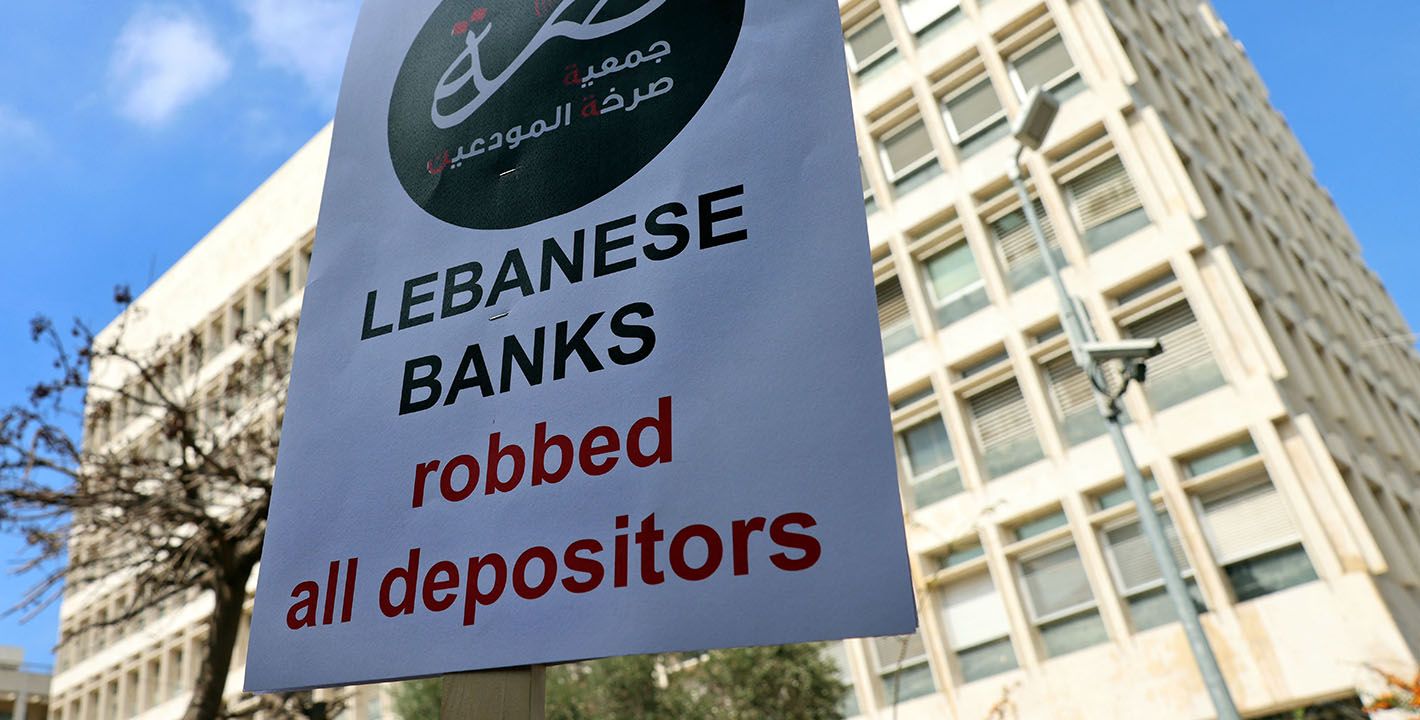
In an interview, Ishac Diwan looks at the merits and flaws in the draft legislation distributing losses from the financial collapse.

Michael Young
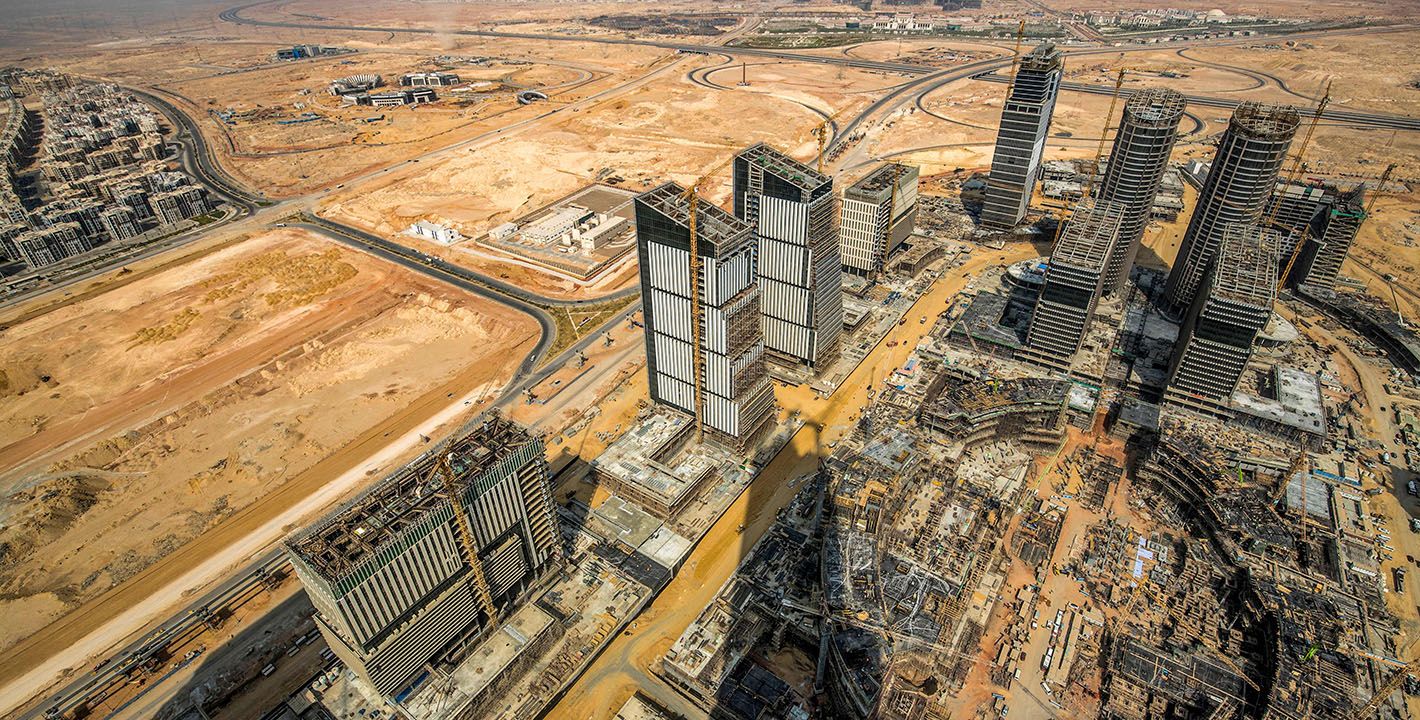
Mustaqbal Misr has expanded its portfolio with remarkable speed, but a lack of transparency remains.
Yezid Sayigh
Arab diaspora business communities in Egypt often mirror the same systemic challenges facing Egyptian businesses.

Nur Arafeh, Yezid Sayigh, Qaboul al-Absi, …